
Hatchback vs Sedan vs SUV: Comparing Practical Dimensions
>> Automobile>> Hatchback vs Sedan vs SUV: Comparing Practical Dimensions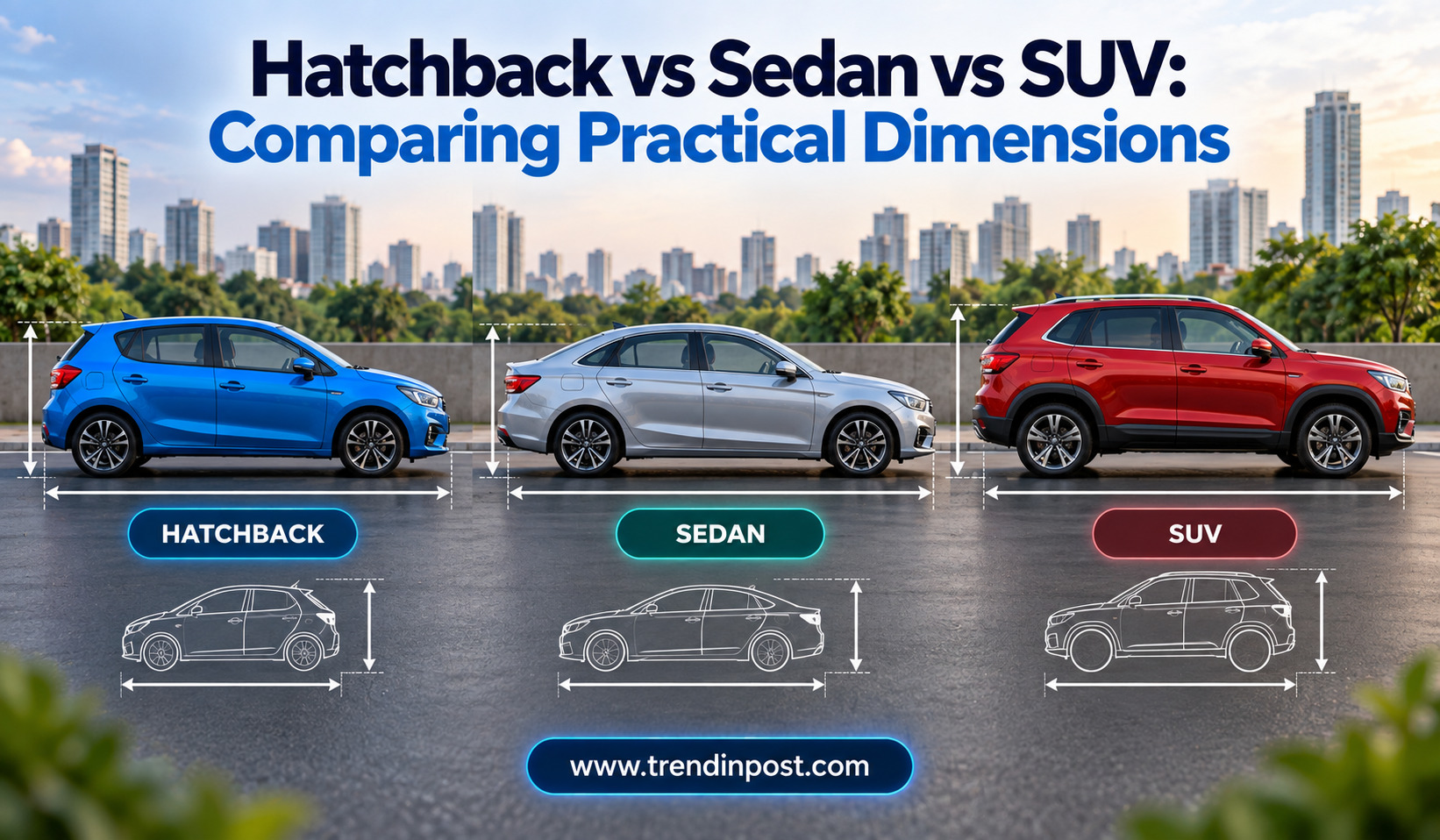
Hatchback vs Sedan vs SUV: Comparing Practical Dimensions
When buying a new car, most buyers compare price, mileage, features, safety and engine performance. However, one factor that deserves equal attention is the vehicle’s practical dimensions. The length, width, height, wheelbase, boot space and ground clearance of a car can have a major impact on everyday usability, especially on crowded Indian roads and in tight parking spaces.
The difference between a hatchback, sedan and SUV is not only about exterior design. Each body style has been developed around a different balance of cabin space, luggage capacity, road presence and manoeuvrability. A hatchback generally focuses on compact dimensions and easy city driving, while a sedan adds a separate boot and often provides a more conventional family-car layout. SUVs, meanwhile, typically offer greater height, ground clearance and a commanding driving position.
The Indian market provides clear examples of all three categories. The Maruti Suzuki Baleno and Maruti Suzuki Swift represent the hatchback side of the comparison. The Maruti Suzuki Dzire and Hyundai Aura show how compact sedans use relatively manageable dimensions while offering dedicated boot space. On the SUV side, the Škoda Kylaq represents the sub-compact SUV segment, while the Mahindra Scorpio N demonstrates how much larger a full-size, rugged SUV can be.
Why Dimensions Matter When Choosing a Car
Car dimensions are more than numbers on a specification sheet. They directly affect how easy a vehicle is to drive, park and live with.
A shorter car is generally easier to position in narrow streets and small parking areas. Width matters when passing through tight gates or driving between vehicles. Height can influence visibility and cabin entry, while ground clearance becomes important on broken roads, steep ramps and speed breakers.
Wheelbase also deserves attention because it influences how space is distributed inside the vehicle. A longer wheelbase can provide better legroom, although it can sometimes make manoeuvring in tight spaces more demanding.
For Indian buyers, these considerations are particularly relevant because urban roads can vary dramatically. A car that feels perfectly sized on a highway may feel considerably larger in a crowded market area or apartment parking basement.
Hatchbacks: Compact Dimensions With Everyday Practicality
Hatchbacks continue to be an important choice for buyers who want a practical vehicle without excessive exterior dimensions. Their shorter rear section and integrated boot design make them relatively easy to manoeuvre.
The Maruti Suzuki Swift is a strong example. The current Swift measures 3,860 mm in length, 1,735 mm in width and 1,520 mm in height, with a 2,450 mm wheelbase. Its official starting price is around ₹5.84 lakh ex-showroom according to Maruti Suzuki’s current pricing information.
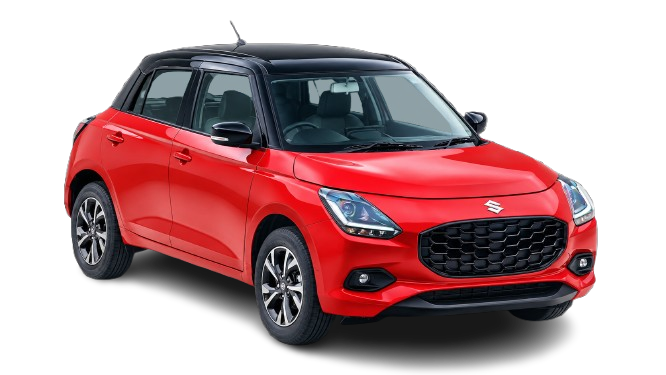
The Swift’s compact length can be useful in busy city conditions. Its 4.8-metre turning radius also helps when making U-turns or entering relatively narrow parking areas. The hatchback body provides access to the luggage area through a large rear opening, although its boot capacity is smaller than that of the Dzire.
The Maruti Suzuki Baleno sits slightly differently within the hatchback category. It is a premium hatchback with a length of approximately 3,990 mm, width of 1,745 mm and height of 1,500 mm, while its wheelbase is 2,520 mm. Current 2026 specifications list boot capacity at around 318 litres.
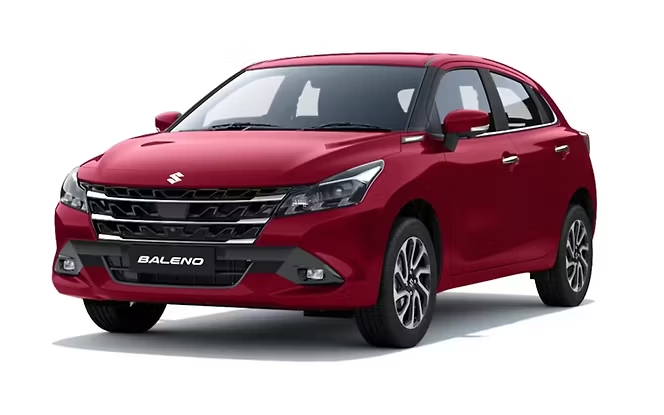
Maruti Suzuki has also introduced the updated Baleno in September 2026, with bookings announced at ₹11,000 and the new model’s starting price announced at ₹6.09 lakh ex-showroom.
The Baleno’s dimensions show why premium hatchbacks can offer a useful middle ground. It remains relatively compact externally, but its longer wheelbase compared with the Swift helps it make better use of interior space.
Hatchback dimensions at a glance
| Model | Length | Width | Height | Wheelbase | Starting price* |
| Maruti Suzuki Swift | 3,860 mm | 1,735 mm | 1,520 mm | 2,450 mm | ₹5.84 lakh |
| Maruti Suzuki Baleno | 3,990 mm | 1,745 mm | 1,500 mm | 2,520 mm | ₹6.09 lakh |
*Approximate ex-showroom starting prices in India; prices may vary with updates and variants.
For buyers who spend most of their time in cities, hatchbacks can therefore be particularly attractive. They are relatively easy to park, generally have manageable dimensions and provide sufficient space for small families or daily commuting.
Sedans: More Boot Space Without Becoming Too Large
Sedans traditionally appeal to buyers who want a separate luggage compartment and a more formal design. Their longer rear section can increase overall length, but compact sedans are designed to remain manageable on Indian roads.
The Maruti Suzuki Dzire is one of the clearest examples. It measures 3,995 mm long, 1,735 mm wide and 1,525 mm tall, with a 2,450 mm wheelbase. It also offers a 382-litre boot, which is considerably more useful for family luggage than the boot area of many hatchbacks.
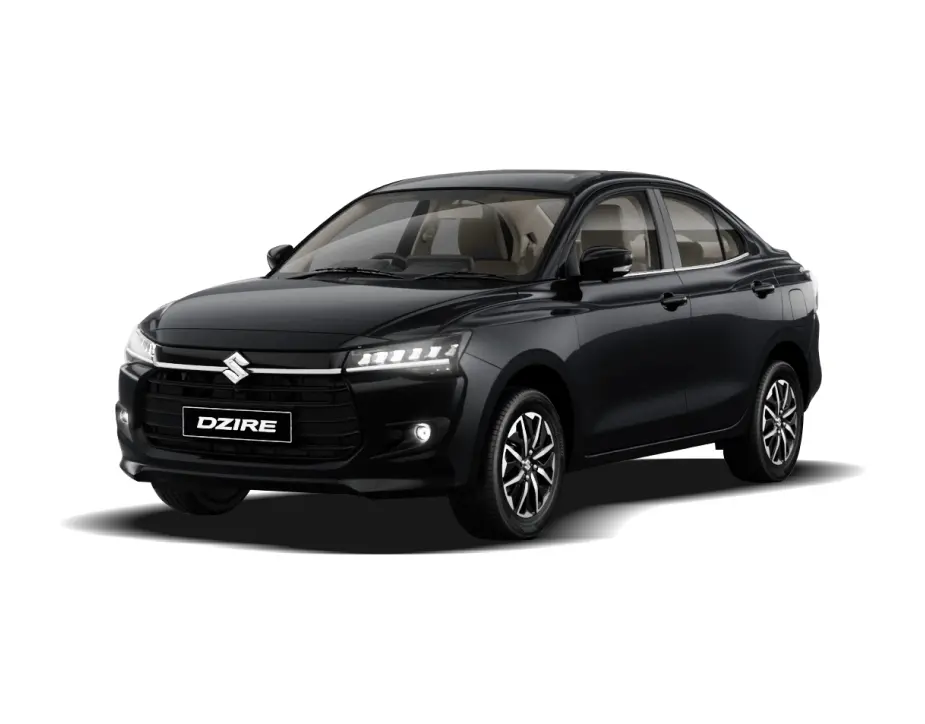
Maruti Suzuki currently lists the Dzire from approximately ₹6.31 lakh ex-showroom on its Arena comparison page.
The Dzire demonstrates an important advantage of compact sedans: the overall length is still below four metres, making it relatively easy to operate in urban environments, while the dedicated boot creates additional luggage capacity.
The Hyundai Aura follows a similar philosophy. Hyundai lists the Aura with a starting price of around ₹5.99 lakh ex-showroom in India. It is positioned as a compact sedan for buyers who want a balance between urban practicality, cabin comfort and boot-oriented design.
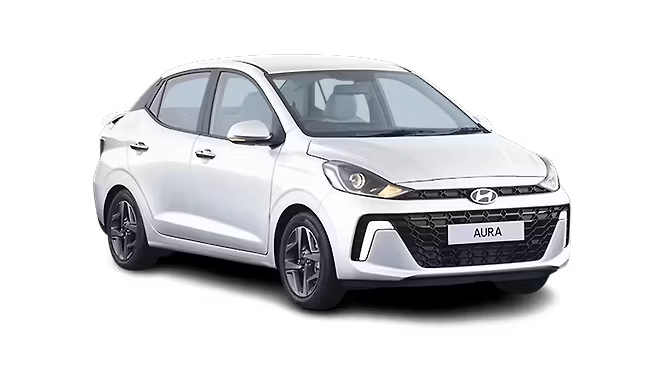
The Aura’s appeal comes from its relatively compact footprint combined with sedan proportions. Hyundai also offers petrol and CNG choices, giving buyers another consideration when looking at long-term running requirements.
For families who regularly carry luggage, shopping bags or travel equipment, the sedan format can make sense because the boot is separated from the passenger compartment.
Sedan Dimensions and Practicality
Sedans generally provide a good compromise between hatchbacks and larger vehicles. They may be longer than hatchbacks, but compact sedans such as the Dzire and Aura remain easier to handle than large SUVs.
Their lower seating position can also make them feel more car-like on the road. At the same time, the longer rear section means drivers need to become familiar with the vehicle’s rear dimensions when parking.
For buyers who frequently travel with four or five occupants and luggage, the sedan can be a practical choice. The separate boot also keeps luggage isolated from the passenger area.
However, sedan owners may need to be more careful on steep ramps and poorly maintained roads compared with a high-riding SUV. Ground clearance and front and rear overhangs therefore become important considerations.
SUVs: More Height, Ground Clearance and Road Presence
SUVs have become increasingly popular because they combine a higher seating position with greater ground clearance and a strong road presence. But the SUV category is extremely broad, ranging from small sub-compact models to large seven-seaters.
The Škoda Kylaq is a useful example of a sub-compact SUV. Škoda lists the Kylaq at 3,995 mm long, 1,783 mm wide and 1,619 mm tall, with a 2,566 mm wheelbase and 189 mm ground clearance. The current official starting price is around ₹7.59 lakh ex-showroom.
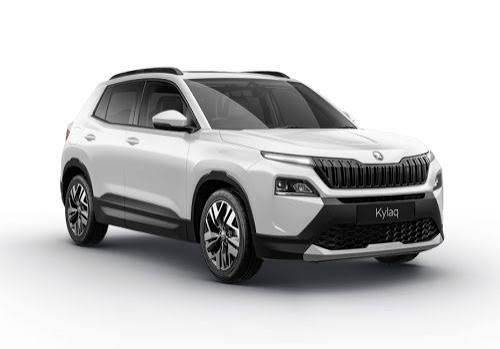
Compared with the Swift, the Kylaq is noticeably wider and taller. That additional height can provide a higher driving position and easier entry and exit. Its 189 mm ground clearance is also useful for uneven Indian roads.
The Kylaq also offers a 446-litre luggage compartment in its standard five-seat configuration, according to Škoda’s official specifications. This demonstrates how a compact SUV can provide a strong combination of exterior manageability and luggage capacity.
Mahindra Scorpio N: A Much Larger SUV
The Mahindra Scorpio N represents a very different approach. It is substantially larger than the Kylaq and sits in a more rugged, full-size SUV category.
Mahindra lists the Scorpio N at 4,662 mm in length, 1,917 mm in width and 1,857 mm in height, with a 2,750 mm wheelbase. It is available as a seven-seater and offers rear-wheel-drive and selected four-wheel-drive configurations depending on variant.
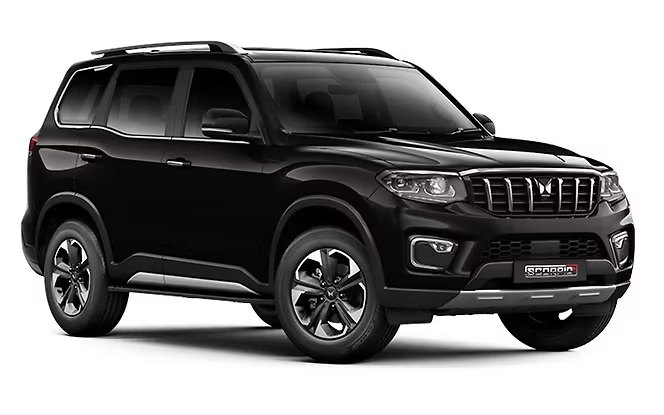
Mahindra’s current online pricing shows the Scorpio N range extending from the low-₹13 lakh ex-showroom range, while specific variants can rise above ₹25 lakh.
The dimensions explain why the Scorpio N feels considerably bigger than a hatchback or compact sedan. Its additional width and length provide a larger cabin and stronger road presence, but they also demand more parking space and greater awareness on narrow roads.
The Scorpio N can be particularly appealing to buyers who regularly travel long distances, carry larger groups or want an SUV capable of handling more challenging terrain. However, its larger footprint may not be ideal for buyers living in areas with very tight parking spaces.
Comparing All Six Cars
The six vehicles demonstrate how dramatically practical dimensions can change between body styles.
| Model | Body Style | Length | Width | Height | Wheelbase | Starting Price* |
| Maruti Suzuki Swift | Hatchback | 3,860 mm | 1,735 mm | 1,520 mm | 2,450 mm | ₹5.84 lakh |
| Maruti Suzuki Baleno | Hatchback | 3,990 mm | 1,745 mm | 1,500 mm | 2,520 mm | ₹6.09 lakh |
| Maruti Suzuki Dzire | Sedan | 3,995 mm | 1,735 mm | 1,525 mm | 2,450 mm | ₹6.31 lakh |
| Hyundai Aura | Sedan | Compact sedan | — | — | — | ₹5.99 lakh |
| Škoda Kylaq | Sub-compact SUV | 3,995 mm | 1,783 mm | 1,619 mm | 2,566 mm | ₹7.59 lakh |
| Mahindra Scorpio N | Full-size SUV | 4,662 mm | 1,917 mm | 1,857 mm | 2,750 mm | From about ₹13.5 lakh |
*Approximate ex-showroom starting prices in India. Prices and specifications can change by model year, variant, city and manufacturer updates. Official sources confirm the quoted prices for the Swift, Baleno, Dzire, Aura, Kylaq and Scorpio N at the time of writing.
Which Body Style Offers the Best Practical Dimensions?
There is no single answer because practicality depends on how the vehicle will be used.
A hatchback is generally the easiest choice for buyers who prioritise compact dimensions and urban manoeuvrability. The Swift, for example, has the shortest overall length among the six vehicles discussed here. The Baleno adds slightly more length and width while providing a larger premium-hatchback footprint.
A sedan can be more attractive for families that want additional boot space without moving into a larger SUV. The Dzire is particularly interesting because it stays under four metres while offering a 382-litre boot.
A sub-compact SUV such as the Kylaq provides a different combination. It is almost the same length as the Dzire but significantly taller and wider, with higher ground clearance. This shows why comparing only overall length can be misleading.
A large SUV such as the Scorpio N is a different proposition altogether. It provides substantially more road presence and cabin volume but requires more space to park and manoeuvre.
Dimensions Buyers Should Check Before Booking
Before choosing between these body styles, buyers should look beyond length alone. The most useful measurements to compare are:
- Overall length and width for parking and road manoeuvrability.
- Height and ground clearance for ramps, speed breakers and uneven roads.
- Wheelbase and boot space for passenger comfort and luggage requirements.
- Turning radius for U-turns, narrow lanes and parking areas.
A test drive can also reveal practical differences that numbers cannot fully explain. Two cars with similar lengths can feel very different because of steering response, seating position, visibility and turning behaviour.
Hatchback vs Sedan vs SUV: Which Is Right for Indian Buyers?
The right choice depends on the buyer’s daily environment. Someone commuting through congested city streets and dealing with a small parking area may find a hatchback easier to live with. A family that travels frequently with luggage may prefer the boot capacity of a sedan.
For buyers who want a higher driving position, more ground clearance and SUV styling, a sub-compact SUV can offer a useful compromise. The Kylaq is a good example because its length remains close to the four-metre mark while its height, width and ground clearance move it clearly into SUV territory.
Larger SUVs such as the Scorpio N are better suited to buyers who genuinely need their additional space, seating capacity and rugged characteristics. Buying a much larger SUV simply for road presence may not make sense if the vehicle is mostly driven through narrow city streets and parked in a restricted space.
Final Thoughts
The hatchback, sedan and SUV categories continue to serve different needs in India’s changing car market. The Maruti Suzuki Swift and Baleno show how hatchbacks can deliver compact dimensions and easy city usability. The Maruti Suzuki Dzire and Hyundai Aura demonstrate how compact sedans can add useful boot space without becoming excessively large. Meanwhile, the Škoda Kylaq shows how a sub-compact SUV can combine manageable length with greater height and ground clearance, while the Mahindra Scorpio N represents the larger, more imposing end of the SUV spectrum.
For buyers, the best approach is to consider dimensions alongside price, features, fuel efficiency and intended use. A car that looks attractive on a showroom floor may not necessarily be the most practical choice for a particular parking space or daily route.
Ultimately, the most practical vehicle is the one whose dimensions match the owner’s lifestyle. For some buyers that could mean a compact hatchback, while others may benefit from the boot space of a sedan or the higher stance and versatility of an SUV.
FAQs
Is a hatchback more practical than an SUV in the city?
For buyers dealing with narrow roads and limited parking, a hatchback can be easier to manoeuvre because of its compact dimensions. However, a sub-compact SUV can offer more ground clearance and a higher driving position.
Is the Maruti Suzuki Dzire larger than the Swift?
The Dzire is longer than the Swift. The Dzire measures 3,995 mm, while the Swift measures 3,860 mm. Both have a 1,735 mm width and a 2,450 mm wheelbase.
Is the Škoda Kylaq bigger than the Maruti Suzuki Dzire?
The two cars have almost the same overall length at around 3,995 mm, but the Kylaq is wider and considerably taller. The Kylaq also has higher ground clearance, giving it a more SUV-like stance.
Which car has the largest dimensions among the six models?
The Mahindra Scorpio N is clearly the largest of the six. It measures 4,662 mm long, 1,917 mm wide and 1,857 mm tall, with a 2,750 mm wheelbase.
Which is better for family luggage, a hatchback or sedan?
A sedan generally offers an advantage because of its dedicated boot. The Maruti Suzuki Dzire, for example, offers 382 litres of boot space, making it useful for family travel and luggage.
Related Post

How Blind Spot Monitoring Makes Highway Driving Safer
Highway driving demands constant attention. Vehicles move at higher speeds, lane changes happen frequently, and…