
Why Exotic Leather Handbags Are So Expensive
>> Fashion>> Why Exotic Leather Handbags Are So Expensive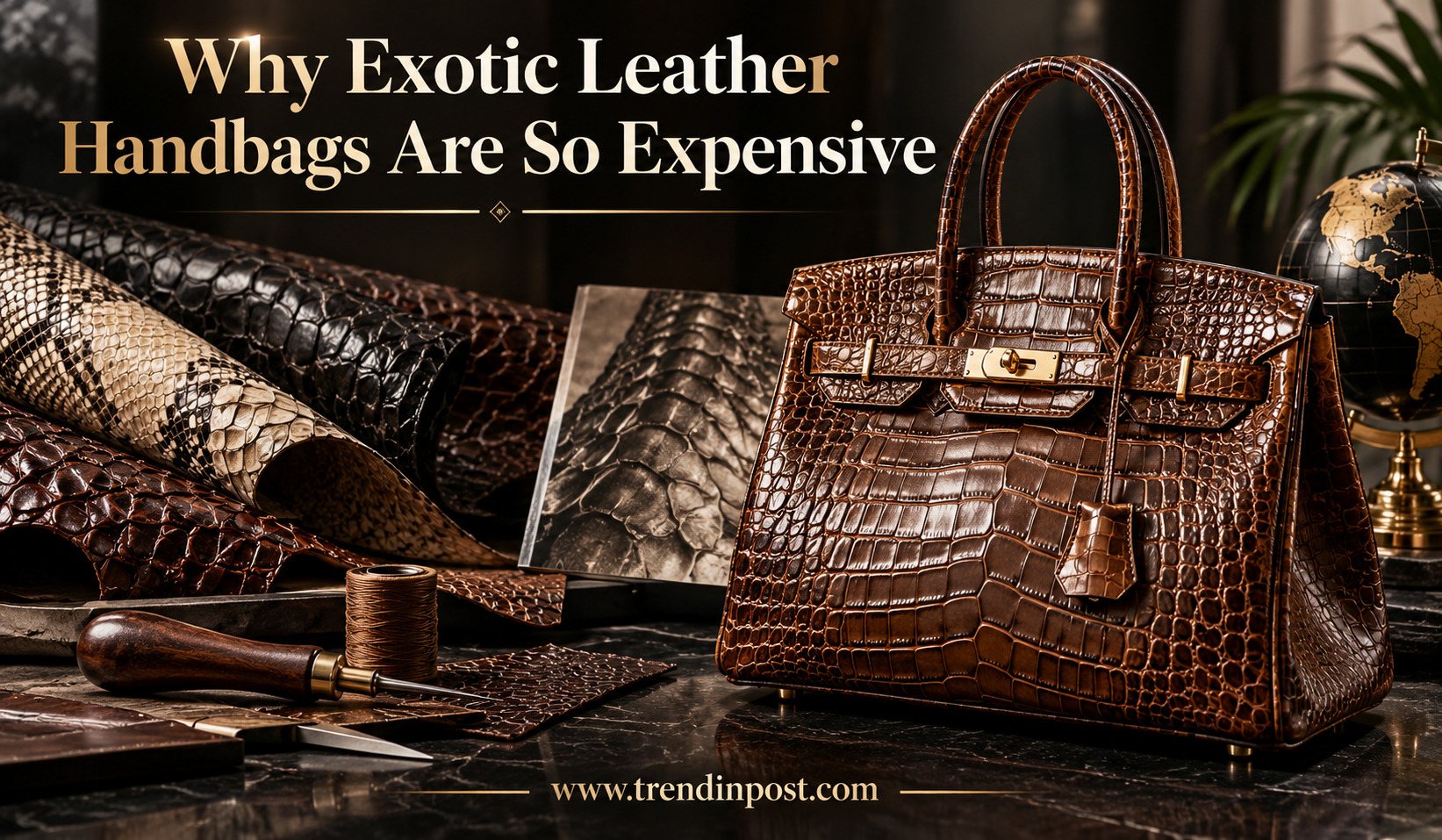
Why Exotic Leather Handbags Are So Expensive
Exotic leather handbags occupy a unique position in the luxury fashion market. While many designer handbags already carry premium prices because of their craftsmanship, branding, and materials, bags made from exotic leathers can cost significantly more. Crocodile, alligator, ostrich, python, lizard, and other distinctive skins are often associated with limited production, complex craftsmanship, and exclusivity.
The high price of an exotic leather handbag is rarely determined by the material alone. Several factors work together, including the rarity of the leather, sourcing requirements, tanning processes, construction techniques, designer reputation, and the amount of handwork involved. For buyers, these bags can represent both a fashion statement and a collectible luxury item.
What Makes Exotic Leather Different?
Exotic leather refers to skins that are less commonly used than traditional cowhide or calfskin. Their unusual textures, patterns, and natural markings make each piece visually distinctive. Unlike standard leather, exotic skins often require specialized handling because their scales, pores, grains, or natural structures can be more delicate.
Crocodile and alligator leather are particularly well known for their distinctive scale patterns. Ostrich leather is recognized for its characteristic quill marks, while python and lizard skins offer different scale arrangements and textures. These natural characteristics mean that no two handbags will look exactly alike.
The visual appeal of exotic leather is one of the reasons luxury shoppers are willing to pay more. A carefully selected skin can give a handbag an appearance that is difficult to reproduce using conventional leather.
Rarity Plays a Major Role in Pricing
One of the biggest reasons exotic leather handbags are expensive is limited availability. Traditional leather is produced on a much larger scale, while exotic skins generally come from more restricted sources and are subject to additional regulations and controls.
The usable portion of a hide can also be considerably smaller than the total skin. Designers and artisans have to carefully select sections that are suitable for a particular handbag. Natural imperfections, scars, variations in texture, and irregular patterns can affect how much of the skin can actually be used.
This creates a supply-and-demand situation in which desirable exotic materials remain relatively scarce. When a luxury brand combines a limited material with a highly recognizable design, the final product can command a substantial premium.
The Craftsmanship Behind an Exotic Leather Handbag
Craftsmanship is another important part of the price. Working with exotic leather is not simply a matter of replacing regular leather with a different material. Artisans need to understand how the particular skin behaves during cutting, stitching, shaping, and finishing.
A handbag may require numerous hours of careful manual work. The artisan must position the skin so that its natural pattern is visually balanced across the front, sides, flap, and other sections of the bag.
This process becomes especially important with crocodile and alligator leather. The scales are part of the visual identity of the handbag, so poor positioning can reduce the overall appearance and perceived quality.
Luxury construction can also involve hand-painted edges, carefully finished seams, premium hardware, reinforced handles, and detailed interior work. These processes increase both labor costs and production time.
Why Crocodile and Alligator Bags Cost So Much
Crocodile and alligator handbags are among the most expensive exotic leather accessories available. Their appeal comes from their distinctive scale patterns, durability, and association with high-end fashion.
However, not every crocodile or alligator skin has the same value. Factors such as size, texture, scale arrangement, condition, color, and the quality of the tanning process can influence its desirability.
Luxury brands may also select particular sections of a hide for specific designs. A handbag that displays a symmetrical and visually attractive scale pattern across a large surface can require a particularly suitable piece of leather.
The finishing process adds another layer of complexity. Exotic skins can be dyed, polished, glazed, or finished in ways that highlight their natural texture while creating a specific appearance. This specialized treatment contributes to the final retail price.
Ostrich, Python and Lizard Offer Different Forms of Luxury
Exotic leather does not refer only to crocodiles and alligators. Ostrich, python, and lizard are also used in luxury accessories, with each offering a different aesthetic.
Ostrich leather is particularly recognizable because of its raised quill follicles. The distribution and consistency of these marks can influence the visual appeal of the finished material. High-quality ostrich leather can feel soft while maintaining a distinctive appearance.
Python has a more dramatic scale pattern. Its natural markings can make every handbag look different, which appeals to buyers who want something less conventional than a standard leather accessory.
Lizard leather generally features smaller scales and can create a more refined, intricate appearance. Because of its delicate structure and limited surface area, producing larger handbags from lizards can require careful material selection and construction.
The Role of Luxury Brands
The brand behind an exotic leather handbag can have a major influence on its price. Luxury houses spend decades developing their identities, design languages, craftsmanship standards, and customer communities.
When a renowned fashion house releases an exotic version of one of its signature handbag designs, the buyer is paying for more than leather. The price can also reflect design heritage, craftsmanship, exclusivity, retail experience, brand reputation, and demand.
Limited availability can strengthen this effect. Some exotic handbags are produced in relatively small quantities, making them less common than standard versions. For collectors, scarcity can become part of the attraction.
Why Hand-Finishing Adds to the Cost
Mass-produced handbags can be manufactured through highly standardized processes, but luxury exotic handbags often involve significantly more manual work. Hand-finishing can include edge painting, stitching, polishing, shaping, and hardware installation.
The artisan must work carefully because mistakes can be expensive. A cut in the wrong position or damage to the leather may make a valuable section unusable.
This is particularly important when working with naturally patterned skins. The artisan cannot simply treat every part of the material as identical. Natural variations need to be considered during construction.
As a result, the final price reflects both the material and the specialist labor required to transform it into a finished handbag.
Sustainability and Ethical Sourcing Matter
The production of exotic leather is also closely connected to questions about animal welfare, conservation, legal sourcing, and environmental responsibility. Buyers should understand where an exotic leather handbag comes from and whether the material has been legally and responsibly sourced.
International trade in certain wildlife-derived materials can be regulated under conservation agreements and national laws. Depending on the species and destination, documentation or additional requirements may apply.
For luxury shoppers, responsible sourcing has become increasingly important. A high price does not automatically guarantee ethical production. Buyers should consider the manufacturer’s sourcing policies and relevant documentation when purchasing exotic leather products.
Why Some Exotic Handbags Become Collectible
An exotic leather handbag can sometimes become more than a fashion accessory. Certain combinations of material, design, color, rarity, and provenance may attract collectors.
The condition of the handbag is particularly important. Proper storage, careful handling, protection from moisture, and professional maintenance can help preserve the material.
However, buyers should not assume that every expensive exotic handbag will increase in value. The resale market depends on brand demand, model popularity, condition, rarity, authenticity, market trends, and buyer interest.
| Factor | Influence on Price |
| Type of leather | Determines material rarity and character |
| Material quality | Affects appearance and usability |
| Craftsmanship | Reflects labor and construction complexity |
| Brand | Adds reputation and exclusivity |
| Rarity | Limited pieces can command higher prices |
| Condition | Important for long-term desirability |
| Design | Iconic styles can attract stronger demand |
Why Buyers Continue to Choose Exotic Leather
Despite the high prices, exotic handbags continue to attract luxury consumers because they offer something different from conventional leather accessories. Their natural patterns create individuality, while their association with craftsmanship and exclusivity appeals to collectors and fashion enthusiasts.
For some buyers, the attraction is primarily visual. For others, the appeal comes from owning a rare version of a recognizable handbag design. Collectors may also value limited production, unusual colors, special editions, or distinctive material combinations.
The growth of the pre-owned luxury market has also increased interest in rare handbags. Buyers can sometimes find discontinued exotic pieces through specialist resale platforms, although authentication and condition assessment are essential.
What Should Buyers Check Before Purchasing?
Anyone considering an exotic leather handbag should look beyond the appearance and brand name. Authenticity, material origin, construction quality, condition, and documentation can all affect the value of the purchase.
There are several practical points worth checking before making a decision:
- Confirm the handbag’s authenticity and provenance.
- Understand what type of exotic leather has been used.
- Check the condition of scales, stitching, edges, handles, and hardware.
- Ask about care requirements and legal sourcing documentation where applicable.
A reputable seller should be able to provide clear information about the handbag and its material. Buyers should be especially cautious when an exotic handbag is offered at a price that appears unusually low compared with comparable examples.
Final Thoughts
Exotic leather handbags are expensive because several forms of luxury come together in one product. Rare materials provide the foundation, while specialist craftsmanship transforms those materials into carefully constructed accessories. Brand heritage, limited production, intricate finishing, and exclusivity can further increase the price.
For buyers, the appeal goes beyond simply owning an expensive handbag. Exotic leather offers distinctive natural patterns, unusual textures, and a sense of individuality that conventional materials may not provide. At the same time, responsible sourcing, authenticity, condition, and long-term care should remain important considerations.
As the luxury handbag market continues to evolve, exotic leather is likely to remain a niche but influential part of high-end fashion. Its combination of rarity, craftsmanship, and exclusivity explains why these handbags continue to command some of the highest prices in the accessories market.
FAQs
Why are exotic leather handbags more expensive than regular leather bags?
Exotic handbags typically use rarer materials and require specialized craftsmanship. Limited supply, complex tanning, careful cutting, hand-finishing, and luxury-brand positioning can all contribute to their higher prices.
Which exotic leather is considered the most luxurious?
Crocodiles and alligators are among the most prestigious exotic leathers, although ostrich, python, and lizard are also highly valued. The quality and rarity of the individual skin can be just as important as the species.
Are exotic leather handbags a good investment?
Some rare handbags can retain or increase their value, but this is not guaranteed. Brand reputation, model popularity, rarity, condition, authenticity, and market demand all influence resale performance.
How should exotic leather handbags be maintained?
Care depends on the specific leather. Generally, exotic handbags should be kept away from excessive moisture, heat, direct sunlight, and harsh chemicals. Professional cleaning and conditioning are preferable when specialized treatment is required.
Are exotic leather handbags ethically produced?
That depends on the source and manufacturer. Buyers should research the brand’s sourcing practices and verify relevant legal and conservation requirements before purchasing.
Related Post

Best Luxury Handbags for Work and Business
The right handbag can make a noticeable difference to a professional wardrobe. In business environments,…