
Best Ways to Protect Luxury Handbag Leather
>> Fashion>> Best Ways to Protect Luxury Handbag Leather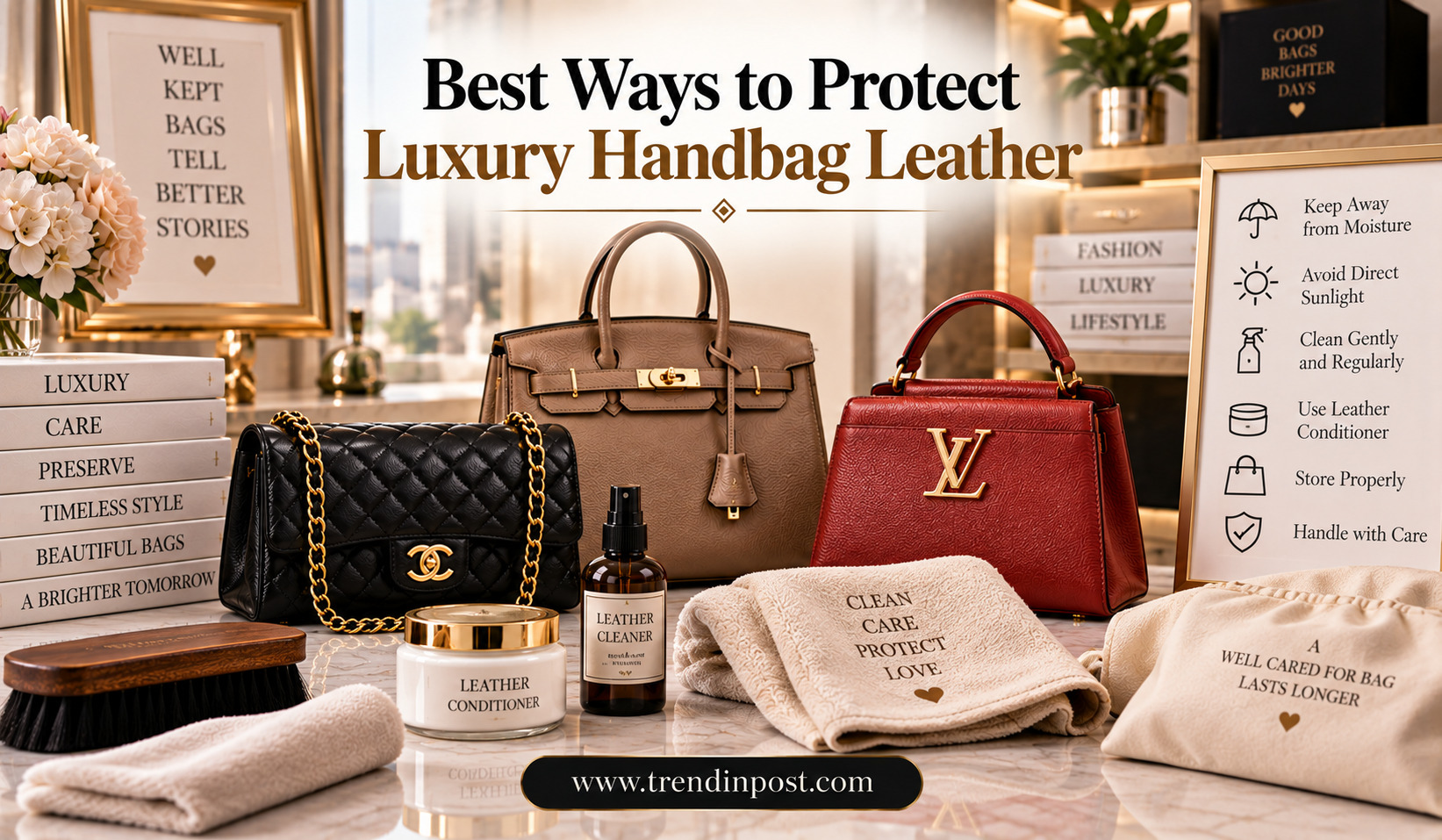
Best Ways to Protect Luxury Handbag Leather
Luxury handbags are designed to combine style, craftsmanship, and long-lasting appeal, but even the finest leather needs proper care. A designer handbag can be a major purchase, and its appearance can change over time because of daily use, moisture, sunlight, friction, makeup, oils, and improper storage. Understanding how to protect handbag leather can help owners maintain its texture, appearance, and overall condition for years.
Leather is a natural material, which means different types can react differently to the environment. Smooth leather, grained leather, suede, nubuck, and coated materials each have their own care requirements. Using the wrong cleaning product or applying too much moisture can sometimes cause more damage than the original stain.
As the luxury resale market continues to attract shoppers, leather condition has also become an important consideration. A well-maintained handbag can generally make a better impression when it is eventually resold or passed to another owner. For this reason, leather protection is not simply about keeping a handbag looking attractive. It is also about responsible ownership and preserving the condition of a valuable fashion item.
Understand the Leather Before Cleaning It
The first step in protecting a luxury handbag is identifying the type of leather. Owners should not assume that every designer bag can be cleaned in the same way. A product that works on one leather may permanently alter the texture or finish of another.
Smooth calfskin, for example, can have a delicate surface that is sensitive to scratches and moisture. Grained leather may be more forgiving because its textured finish can disguise minor marks. Suede and nubuck require a completely different approach because their surfaces contain fine fibers that can be damaged by excessive liquid or unsuitable creams.
Before using any cleaner, conditioner, waterproofing spray, or household product, owners should check the care instructions provided by the manufacturer. When those instructions are unavailable, professional advice can be safer than experimenting on an expensive handbag.
Keep Leather Away From Excessive Moisture
Water is one of the most common environmental concerns for leather handbags. A small amount of accidental moisture may not always cause serious damage, but prolonged exposure can lead to staining, water marks, changes in texture, or discoloration.
This does not mean a handbag must never be carried outside. Instead, owners should take precautions during heavy rain or in environments where the bag could become wet. If moisture does reach the leather, gently blotting the surface with a clean, soft cloth is generally preferable to rubbing it.
Heat should also be avoided when drying a wet handbag. Hairdryers, heaters, radiators, and direct sunlight can cause leather to dry unevenly or become excessively stiff. Allowing the bag to dry naturally in a well-ventilated area is a safer approach.
Avoid Direct Sunlight for Long Periods
Sunlight can gradually affect leather color. Prolonged exposure to strong UV light may cause certain materials and finishes to fade, particularly when a handbag is repeatedly left near a bright window or stored in direct sunlight.
This is one reason storage location matters. A wardrobe, shelf, or cabinet away from intense sunlight can provide a more suitable environment. When carrying a handbag outdoors, normal exposure is unavoidable, but leaving it in direct sunlight for extended periods should be avoided whenever possible.
Temperature is another consideration. Extremely hot or humid conditions can affect leather, adhesives, linings, and hardware. A stable indoor environment is generally more appropriate for long-term storage.
Handle Your Handbag With Clean Hands
The natural oils found on skin can gradually transfer to leather, especially around handles, straps, and frequently touched areas. Makeup, hand cream, food residue, and other substances can create additional marks.
This is particularly noticeable on lighter-colored handbags. Repeated contact can lead to darkening or uneven discoloration around handles and corners.
Simple habits can reduce this problem. Owners should wash or clean their hands before handling valuable leather bags, especially after applying lotions or eating. Cosmetics should also be kept away from the exterior surface whenever possible.
Be Careful With Dark Clothing
Color transfer is an often-overlooked issue when carrying a light-colored handbag. Dark denim and certain dyed fabrics can release color through friction, particularly when the clothing or handbag is exposed to moisture.
The transferred dye can be difficult to remove without affecting the original leather finish. This makes prevention particularly important. When carrying a pale or brightly colored handbag, owners should pay attention to the clothing it regularly comes into contact with.
Repeated rubbing between the bag and clothing can also create surface wear. Adjusting how the handbag is carried can help minimize unnecessary friction.
Use the Right Cleaning Method
Regular cleaning can remove surface dust and prevent everyday dirt from accumulating. However, cleaning should be gentle and appropriate for the material.
A soft, dry cloth can often be useful for removing loose dust from suitable leather surfaces. If a deeper clean is necessary, the product should be specifically designed for the particular leather type. Household soap, alcohol-based products, disinfectants, baby wipes, or general-purpose cleaning chemicals should not automatically be considered safe for luxury leather.
Testing a product on an inconspicuous area may reduce the risk of widespread damage, but even a patch test is not a complete guarantee. Some finishes can react differently after repeated use.
| Leather Type | General Care Consideration | Main Concern |
| Smooth leather | Gentle handling and suitable leather care | Scratches and moisture |
| Grained leather | Regular dust removal | Surface dirt and stains |
| Suede | Specialized dry-care methods | Water and texture damage |
| Nubuck | Soft brushing and specialist care | Staining and surface marks |
| Coated leather | Gentle surface cleaning | Scratches and finish damage |
Do Not Overuse Leather Conditioner
Leather conditioners can help certain types of leather maintain flexibility, but more product does not necessarily mean better protection. Applying an unsuitable conditioner can darken the material, create an uneven appearance, or change its original finish.
The correct product depends on the leather and its existing treatment. Some luxury handbags are designed with finishes that require very little conditioning, while others may benefit from specialist leather care.
Owners should therefore follow the manufacturer’s recommendations whenever possible. If a handbag is particularly valuable, vintage, rare, or made from an unusual leather, professional care can be a safer option than attempting an extensive treatment at home.
Protect the Handbag From Scratches
Leather can be marked by objects that appear harmless. Keys, pens, jewelry, metal accessories, and rough surfaces can scratch or scuff the exterior.
One simple way to reduce this risk is to organize the contents of the handbag. Sharp objects should not be placed loose inside pockets, while pens and cosmetics can be stored separately to reduce the possibility of leaks or marks.
When placing the handbag down, owners should also choose clean, smooth surfaces. Floors, rough tables, and outdoor surfaces can expose the leather to dirt and abrasion.
Give the Interior Equal Attention
Protecting the exterior is only part of handbag care. The interior can also accumulate dust, crumbs, makeup, ink, and spilled liquids.
A handbag should not be overloaded because excessive weight can place stress on handles, seams, straps, and the bag’s overall structure. Heavy objects may also distort the original shape.
Regularly removing unnecessary items gives owners an opportunity to inspect the interior and clean away loose debris. Cosmetics and liquids should ideally be stored in sealed pouches so that accidental spills do not reach the lining or leather.
Store the Bag Correctly
Storage can have a major impact on the long-term condition of a luxury handbag. Leaving a leather bag compressed under other items can create permanent creases or distort its shape.
When possible, the handbag should be stored upright or in the position recommended for its particular construction. Clean tissue or suitable stuffing can help some structured handbags retain their shape. However, owners should avoid overstuffing because excessive pressure can stretch leather and seams.
The original dust bag can also be useful because it helps protect the handbag from dust and light while allowing the material to breathe. Plastic bags are generally less suitable for long-term storage because they can restrict airflow and contribute to moisture-related problems.
Protect Hardware and Straps
Leather is not the only component that needs attention. Metal hardware, chains, buckles, zippers, and decorative elements can also develop scratches or surface changes.
Hardware should be handled carefully and kept away from harsh chemicals. When storing a handbag with a chain strap, wrapping or positioning the chain so that it does not repeatedly rub against the leather can help reduce marks.
Straps should also be stored without unnecessary bending or pressure. For handbags with detachable straps, keeping the components organized separately can reduce friction during long-term storage.
When Professional Leather Care Makes Sense
Home maintenance is useful for basic prevention, but some problems are better handled by specialists. Deep stains, significant scratches, dye transfer, water damage, peeling finishes, and structural problems can require specialized equipment and experience.
Vintage handbags deserve particular caution. Older leather may be more delicate, and aggressive cleaning can remove original characteristics that contribute to the bag’s identity and value.
Professional restoration should also be considered carefully. Restoration can improve appearance, but excessive alterations may change the original material or finish. Owners of rare or collectible handbags should understand what treatment will be performed before approving any work.
A Simple Leather Protection Routine
A practical handbag-care routine does not need to be complicated. The most important part is consistency. Owners can build a few simple habits into their normal use:
- Wipe away surface dust gently and regularly.
- Keep the handbag away from unnecessary moisture and prolonged direct sunlight.
- Store cosmetics, pens, and liquids in protective pouches.
- Keep the handbag in its dust bag when it is not being used.
- Check the manufacturer’s care instructions before applying any cleaning or conditioning product.
These small steps can reduce avoidable wear without turning handbag maintenance into a complicated process.
Why Leather Care Matters for Resale
The condition of a luxury handbag can become particularly important when the owner decides to sell it. Buyers in the pre-owned market often examine corners, handles, leather texture, hardware, lining, and signs of repair before deciding what a handbag is worth to them.
Authentication establishes whether a bag is genuine, but authentication does not automatically mean the handbag is in excellent condition. Careful maintenance therefore complements authentication rather than replacing it.
Keeping original receipts, dust bags, accessories, and professional service records can also help document the handbag’s history. While these items do not guarantee a particular resale price, organized documentation can make the transaction easier to evaluate.
Conclusion
Protecting luxury handbag leather is largely about prevention. Keeping leather away from excessive moisture, strong sunlight, harsh chemicals, rough surfaces, and unnecessary friction can help preserve its appearance over time. Proper storage and careful handling are equally important, particularly for expensive or collectible pieces.
The most important rule is to treat every handbag according to its specific material and finish. A cleaning method that works for one leather may damage another. When there is uncertainty, manufacturer guidance or professional leather care is generally safer than experimentation.
FAQs
How often should I clean a luxury leather handbag?
There is no universal schedule because cleaning needs depend on the leather, frequency of use, and environment. Light dusting can be done as needed, while deeper cleaning should only be performed when necessary and with a suitable product.
Can I use household wipes on luxury leather?
It is safer not to assume that household or disinfecting wipes are suitable. Some contain chemicals or alcohol that may affect the leather’s finish, color, or texture.
What should I do if my leather handbag gets wet?
Gently blot excess moisture with a clean, soft cloth and allow the bag to dry naturally away from direct heat. Avoid rubbing the leather or using a hairdryer.
Is leather conditioner necessary?
Not for every handbag. Some leather types and finishes may not require conditioning, while an unsuitable conditioner can alter the appearance. Always check the manufacturer’s guidance first.
How should I store a luxury handbag?
Keep it in a clean, dry environment away from direct sunlight. Use the original dust bag where available and maintain the bag’s shape without overstuffing it.
Related Post

Best Luxury Handbags for Classic Style
Classic style rarely depends on short-lived fashion trends. In the world of luxury handbags, timeless…