
How Social Media Is Changing Luxury Watch Collecting
>> LifeStyle>> How Social Media Is Changing Luxury Watch Collecting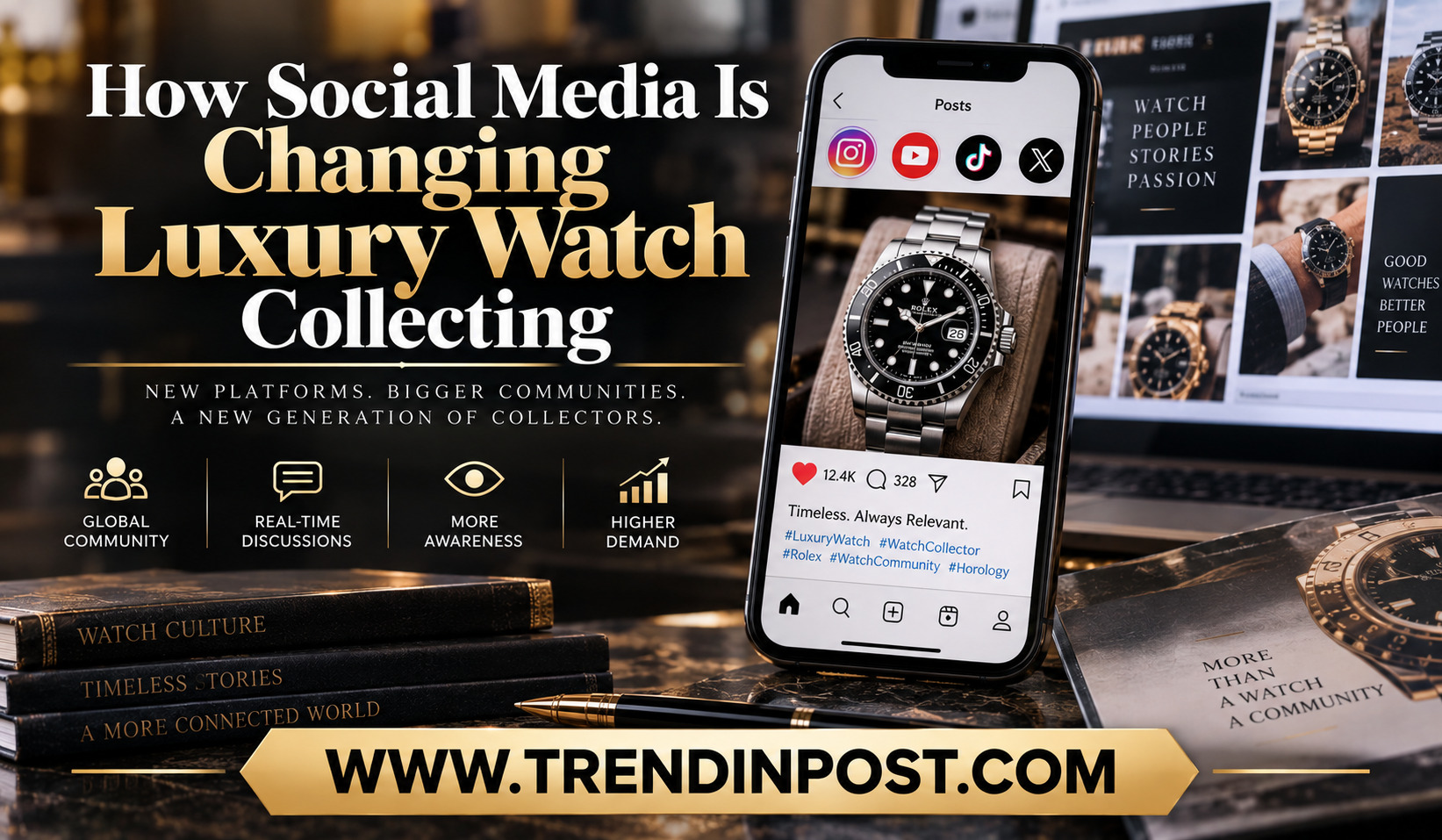
How Social Media Is Changing Luxury Watch Collecting
Introduction
You see a watch on your feed three times in one day, and suddenly it feels like something you need. That feeling is not an accident. Luxury watch collecting has shifted from quiet, niche forums into a fast moving world shaped by algorithms, influencers, and short videos.
This shift changed who collects watches, how they learn about them, and how fast prices move. This article looks at what social media actually changed, where it helps collectors, and where it can quietly work against them.
What Social Media Actually Changed in Watch Collecting
Before social platforms took over, most watch knowledge came from print magazines, dealer relationships, and small online forums. Getting informed took time and patience.
Now, a beginner can learn about movement types, brand history, and pricing trends within a single afternoon of scrolling. Information moved faster, but so did opinion, trends, and pressure to buy quickly.
Instagram and the Rise of Wrist Shot Culture
Instagram turned watches into a visual lifestyle statement. The simple wrist shot, a photo of a watch on someone’s arm, became its own genre of content.
This visibility introduced new collectors to brands they might never have found otherwise. It also created a strong pull toward watches that photograph well, sometimes over watches that are mechanically interesting but visually plain.
A few patterns show up clearly on Instagram:
- Bright, symmetrical dials tend to get more attention than subtle ones.
- Limited editions spread quickly once a few large accounts post them.
- Comment sections often become informal price checks and trade offers.
YouTube Reviews and the New Buying Journey
YouTube changed the research phase of buying a watch almost completely. Long form reviews now cover build quality, movement performance, and long term ownership in detail that older print reviews rarely matched.
How This Changes Buyer Behavior
Many buyers now watch several reviews before ever visiting a store or a dealer site. This makes buyers more informed on paper, though it can also create false confidence if only one or two creators are trusted without question.
The Hype Effect: How Social Media Drives Price Spikes
Social platforms can turn a slow moving hobby into something closer to a market event. When a popular creator features a specific reference, demand can spike within days.
| Platform | Content Style | Typical Effect on Demand | Speed of Impact |
| Photos, short clips | Steady visual interest | Moderate | |
| YouTube | Long reviews | Deep, informed interest | Slow but lasting |
| TikTok | Short, fast videos | Sudden spikes | Very fast |
| Forums | Text discussion | Niche, focused interest | Slow and stable |
This table shows why prices on secondary markets can shift quickly after a single viral post, especially when the content came from a fast moving platform like TikTok.
The Downsides: Misinformation and FOMO Buying
Speed and reach come with real tradeoffs. Not every creator fact checks claims about rarity, investment potential, or brand history before posting.
Fear of missing out, often shortened to FOMO, pushes some buyers into purchases they later regret. A watch bought during a hype wave can lose much of its inflated value once attention moves elsewhere.
Common issues worth watching for:
- Inflated claims about a watch being a guaranteed investment
- Confusing popularity with genuine rarity
- Pressure to buy before fully understanding a reference
How to Collect Smart in the Social Media Era
None of this means social media is bad for collecting. It simply means a buyer needs a filter between inspiration and action.
A few habits help keep collecting grounded:
- Research a reference across more than one source before buying.
- Wait a few days after seeing a hyped post before making a decision.
- Follow accounts that explain mechanics, not just price talk.
- Treat resale value claims with healthy skepticism.
I will admit, even experienced collectors get pulled in by a well shot video now and then. The goal is not to avoid social media, but to stay aware of how it shapes desire.
Key Takeaways
- Faster learning curve: Social platforms shortened how quickly beginners can learn about watches.
- Visual bias: Instagram tends to favor watches that photograph well over purely mechanical merit.
- Deeper research tools: YouTube reviews give buyers detailed, long form information before a purchase.
- Hype driven pricing: Viral content, especially on fast platforms, can spike secondary market prices quickly.
- Buyer caution matters: Waiting and cross checking sources protects against FOMO driven purchases.
FAQs
Has social media made luxury watch collecting more accessible? Yes, social media has lowered the barrier to entry by making watch education widely available for free.
Can a viral video really change a watch price? Yes, a widely viewed video can spike demand for a specific reference within days, especially on fast platforms.
Is information from watch influencers always accurate? No, accuracy varies widely, so claims about rarity or investment value should be checked against multiple sources.
Does Instagram favor certain watch styles unfairly? In a sense, bold and symmetrical dials tend to get more visual attention than subtle or understated designs.
Should beginners avoid social media when learning about watches? Not at all, but beginners benefit from treating social content as a starting point rather than a final decision maker.
Conclusion
Social media reshaped luxury watch collecting by speeding up education, widening visibility, and adding real pressure through hype cycles. The hobby is more accessible than it has ever been, though that accessibility comes with a need for patience and independent research. Collectors who treat social platforms as one tool among many, rather than the final word, tend to make choices they are still happy with months later.
Related Post
Omega Speedmaster: The Story Behind a Watch Icon
Introduction A watch built for race car drivers ended up strapped to the wrist of…