

Why Guava Deserves More Attention in Modern Diets
>> LifeStyle>> Why Guava Deserves More Attention in Modern Diets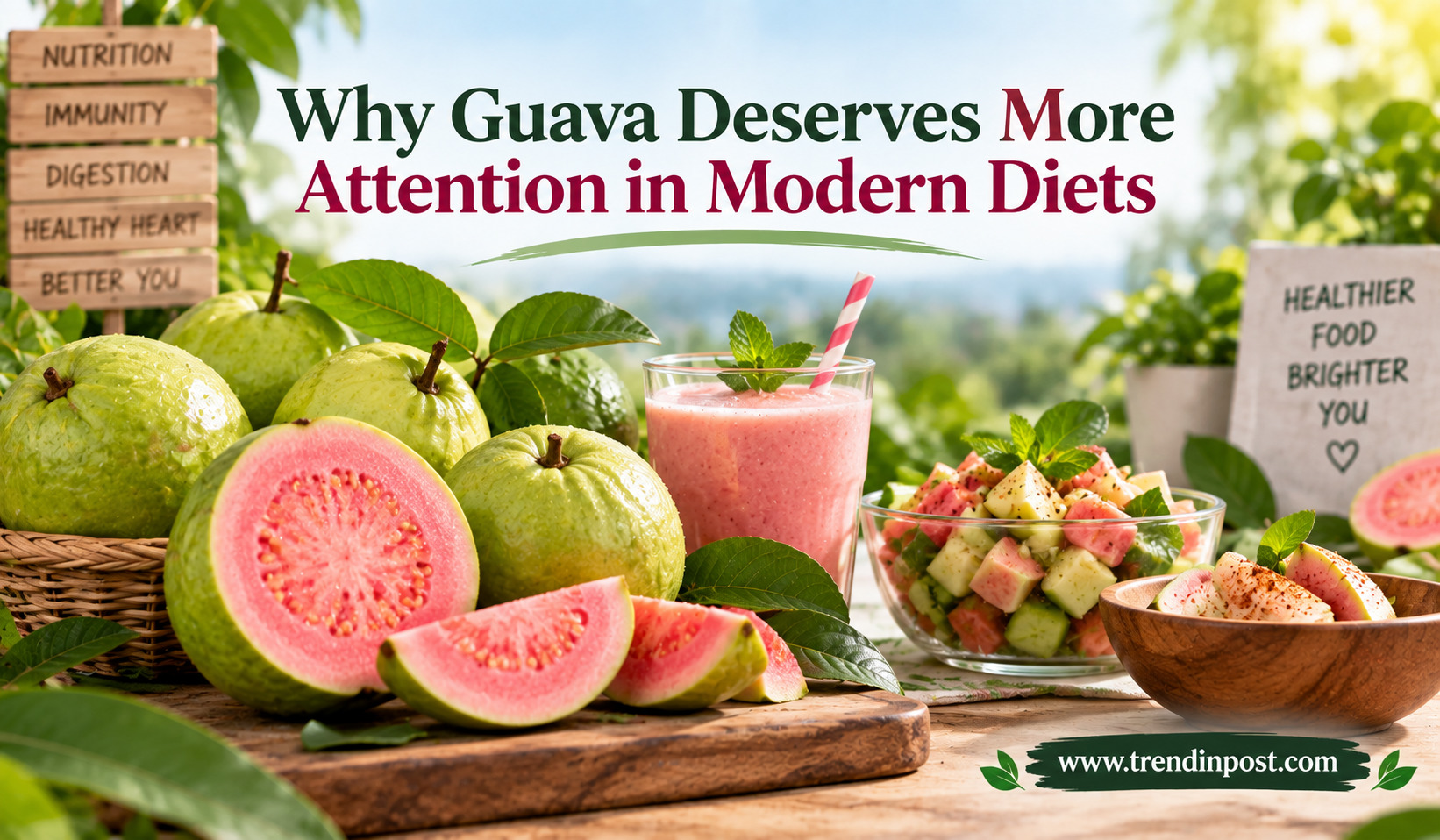
Why Guava Deserves More Attention in Modern Diets
Guava has long been a familiar fruit in many households, particularly across tropical and subtropical regions. Yet despite being affordable, widely available and easy to eat, it often receives less attention than trendier fruits that dominate supermarket shelves and social media feeds. As consumers increasingly look for nutrient-rich foods and more diverse everyday diets, guava is beginning to attract renewed interest.
The fruit’s growing relevance comes at an interesting time. Modern food trends often focus on exotic ingredients, imported berries and products marketed around specific nutritional benefits. Guava offers a different story. It is a traditional fruit with a strong nutritional profile that has been part of local food cultures for generations.
Its appeal goes beyond nutrition. Guava can be eaten fresh, added to fruit salads, blended into drinks or used in a variety of traditional and modern recipes. Its relatively simple preparation and widespread availability also make it practical for everyday consumption.
A Familiar Fruit With a Strong Nutritional Profile
Guava may not have the visual novelty of dragon fruit or the premium image of imported berries, but its nutritional qualities make it worthy of greater attention. The fruit contains vitamin C, dietary fibre and several other nutrients.
Vitamin C plays an important role in normal immune function and contributes to several processes in the body. Fibre, meanwhile, is an important part of a balanced diet and supports normal digestive health.
Guava also contains naturally occurring plant compounds. The nutritional composition can vary depending on the variety and ripeness, but the fruit remains a useful addition to a varied diet.
What makes guava particularly interesting is the combination of nutrition and accessibility. Consumers do not necessarily need to pay a premium or visit a specialty store to find it.
Guava Could Benefit From the Return to Whole Foods
Modern consumers are increasingly interested in food that feels simple and recognisable. While highly processed products remain common, there is also growing demand for fresh ingredients that require minimal preparation.
Guava fits neatly into this shift. A ripe fruit can be washed, sliced and eaten without complicated preparation. Some varieties can also be eaten with their edible seeds, depending on individual preference.
This simplicity may become increasingly valuable as consumers look for convenient alternatives to packaged snacks. Instead of relying entirely on processed products, people can include fresh fruit as part of breakfast, an afternoon snack or a meal.
The key is not to position guava as a miracle food. Its value comes from being one nutritious option within a broader eating pattern.
Why Guava Is More Than Just a Traditional Fruit
For generations, guava has been used in different culinary traditions. It is eaten fresh with seasonings, turned into juices, incorporated into jams and made into sweets and preserves.
Now, newer food habits are giving the fruit additional opportunities. Guava can be used in smoothies, breakfast bowls and fruit-based snacks, allowing it to move beyond traditional recipes.
Its sweet and slightly tangy flavour works well with both simple and more elaborate preparations. This versatility gives food businesses an opportunity to introduce guava to consumers who may know the fruit but have never explored different ways of using it.
Simple Ways to Include Guava in Everyday Meals
- Eat ripe guava as a fresh snack.
- Add sliced guava to fruit and yoghurt bowls.
- Blend guava into homemade smoothies.
- Use guava in juices, chutneys or fruit-based desserts.
These options require relatively little preparation, making the fruit suitable for consumers who want convenient food without relying entirely on packaged products.
Social Media Could Give Guava a New Image
Social media has transformed how consumers discover food. Ingredients once considered ordinary can become interesting again when presented through new recipes and creative food photography.
Guava has considerable potential in this environment. Its pink, white or creamy flesh can add visual interest to fruit bowls and drinks, while its familiar flavour makes it approachable for people who are trying it for the first time.
The renewed interest in traditional ingredients is also part of a broader movement in food culture. Consumers are increasingly exploring regional ingredients and traditional foods while adapting them to contemporary recipes.
For guava, this could mean a shift from being viewed simply as a seasonal fruit to being recognised as a versatile ingredient.
Guava vs Popular Modern Fruits
The modern fruit market includes a wide variety of choices. Some fruits attract attention because they are imported, visually distinctive or heavily featured in health and lifestyle content. Guava competes in a different way.
| Feature | Guava | Many Premium/Imported Fruits |
| Availability | Widely available in suitable regions | Often more limited |
| Price | Generally accessible | Can be relatively expensive |
| Preparation | Simple | Depends on fruit |
| Nutritional appeal | Fibre and vitamin C among its nutrients | Varies by fruit |
| Culinary uses | Fresh, drinks, chutneys, desserts | Depends on variety |
| Cultural familiarity | High in many regions | Often lower |
The comparison does not suggest that one fruit is universally better than another. Instead, it highlights guava’s practical advantage: it can combine nutritional value with accessibility.
Local Availability Gives Guava an Advantage
One reason guava deserves more attention is its strong connection to local agriculture. In countries where the fruit is cultivated extensively, consumers can often find it without depending heavily on international supply chains.
Local production can also provide opportunities for farmers and regional food businesses. When demand increases, producers may have greater incentives to improve cultivation, post-harvest handling and market access.
However, agricultural success depends on many factors. Weather conditions, farming costs, water availability, storage, transportation and market prices can all influence the supply of fresh guava.
Reducing post-harvest losses is another important issue. Like many fresh fruits, guava requires suitable handling after harvest to maintain quality. Better storage and distribution systems could help more of the crop reach consumers in good condition.
The Affordable Nutrition Conversation
Food prices are becoming an increasingly important consideration for households. Consumers may be interested in healthier food choices but still need to manage their grocery budgets.
This is where familiar fruits such as guava can become particularly relevant. Compared with some imported or premium fruits, locally available guava can offer a more accessible way to add fresh produce to meals.
Affordability does not mean consumers should choose guava exclusively. A varied diet can include different fruits according to seasonal availability, personal preferences and household budgets.
The larger point is that nutritious eating does not always require expensive or fashionable ingredients. Traditional fruits can provide valuable nutritional contributions while remaining practical for everyday households.
Food Brands Could Explore Guava Further
The commercial potential of guava extends beyond fresh fruit. Food and beverage companies can use it in juices, snacks, preserves, sauces and other products.
However, the way guava is marketed matters. Positioning the fruit around exaggerated health claims could create unrealistic expectations. A stronger approach would focus on its flavour, versatility, nutritional characteristics and connection to local food culture.
There is also an opportunity to modernise traditional guava products. Contemporary packaging, convenient serving formats and new recipes could introduce familiar fruit products to younger consumers.
Restaurants and cafés could play a role as well. Guava-based beverages, desserts and breakfast dishes can provide consumers with an easy introduction to different ways of enjoying the fruit.
Guava and the Growing Interest in Functional Foods
The popularity of functional foods has encouraged consumers to pay closer attention to the nutrients and naturally occurring compounds found in everyday ingredients.
Guava can benefit from this broader interest, but it is important to keep expectations realistic. Eating one fruit does not compensate for an otherwise unbalanced diet. Nutritional benefits are best understood within the context of an overall dietary pattern.
Still, guava’s fibre, vitamin C and other nutrients make it a sensible candidate for consumers seeking greater variety in their fruit intake.
Its biggest advantage may be that it does not require a major lifestyle change. It can simply replace or complement another snack or be added to an existing meal.
Sustainability and Seasonal Eating
Guava also fits into conversations about seasonal and locally produced foods. When consumers choose fruits that are grown closer to where they live and are available during their natural growing season, they may have access to produce without the same supply-chain requirements associated with some imported products.
That said, sustainability depends on more than distance. Farming practices, irrigation, fertiliser use, transportation, packaging and food waste all influence the environmental footprint of produce.
For consumers, reducing waste can be one practical step. Buying appropriate quantities and storing fruit correctly can help ensure that more of the food purchased is actually eaten.
What Could Bring Guava Back Into the Spotlight?
Guava does not necessarily need a dramatic transformation to become more popular. It may simply need better visibility.
Food creators can introduce new recipes, retailers can highlight different varieties, and producers can improve packaging and post-harvest quality. Schools, cafés and food brands can also help familiarise younger consumers with the fruit.
The strongest opportunity may come from presenting guava as both traditional and modern. It does not have to compete with exotic fruits by becoming exotic itself. Its familiarity can actually be an advantage.
As consumers continue to explore food choices that combine affordability, nutrition and convenience, guava has many of the characteristics needed to remain relevant.
Conclusion
Guava may not always receive the same attention as fashionable berries, imported fruits or social-media food trends, but it has many qualities that fit today’s changing approach to eating. It offers fibre and vitamin C, can be used in a wide range of foods and is widely available in many regions.
Its biggest strength may be its practicality. Consumers do not need an expensive grocery budget or a complicated recipe to enjoy it. A simple guava can become a snack, breakfast ingredient, smoothie component or part of a traditional dish.
As interest grows in affordable nutrition, local produce and food diversity, guava has an opportunity to move from an overlooked everyday fruit to a more recognised part of modern diets. Its future popularity may not come from becoming a trend overnight, but from consumers rediscovering the value of a fruit that has been available all along.
Frequently Asked Questions
Why does guava deserve more attention?
Guava combines several useful qualities, including nutritional value, affordability, availability and versatility. It can be eaten fresh or incorporated into many different dishes and drinks.
Is guava a good source of vitamin C?
Yes. Guava is known for its vitamin C content, although the exact nutritional composition varies according to variety and other factors.
Does guava contain fibre?
Yes. Guava provides dietary fibre, which is an important component of a balanced diet.
How can guava be included in a modern diet?
It can be eaten fresh or added to smoothies, yoghurt bowls, fruit salads, juices and other dishes. It can also be used in traditional preparations such as chutneys and preserves.
Related Post

Best Reels Editing Apps for iPhone Users
Creating Instagram Reels on an iPhone is easier than ever. Modern iPhones can capture high-quality…