How to Start a Luxury Handbag Collection
>> Fashion>> How to Start a Luxury Handbag Collection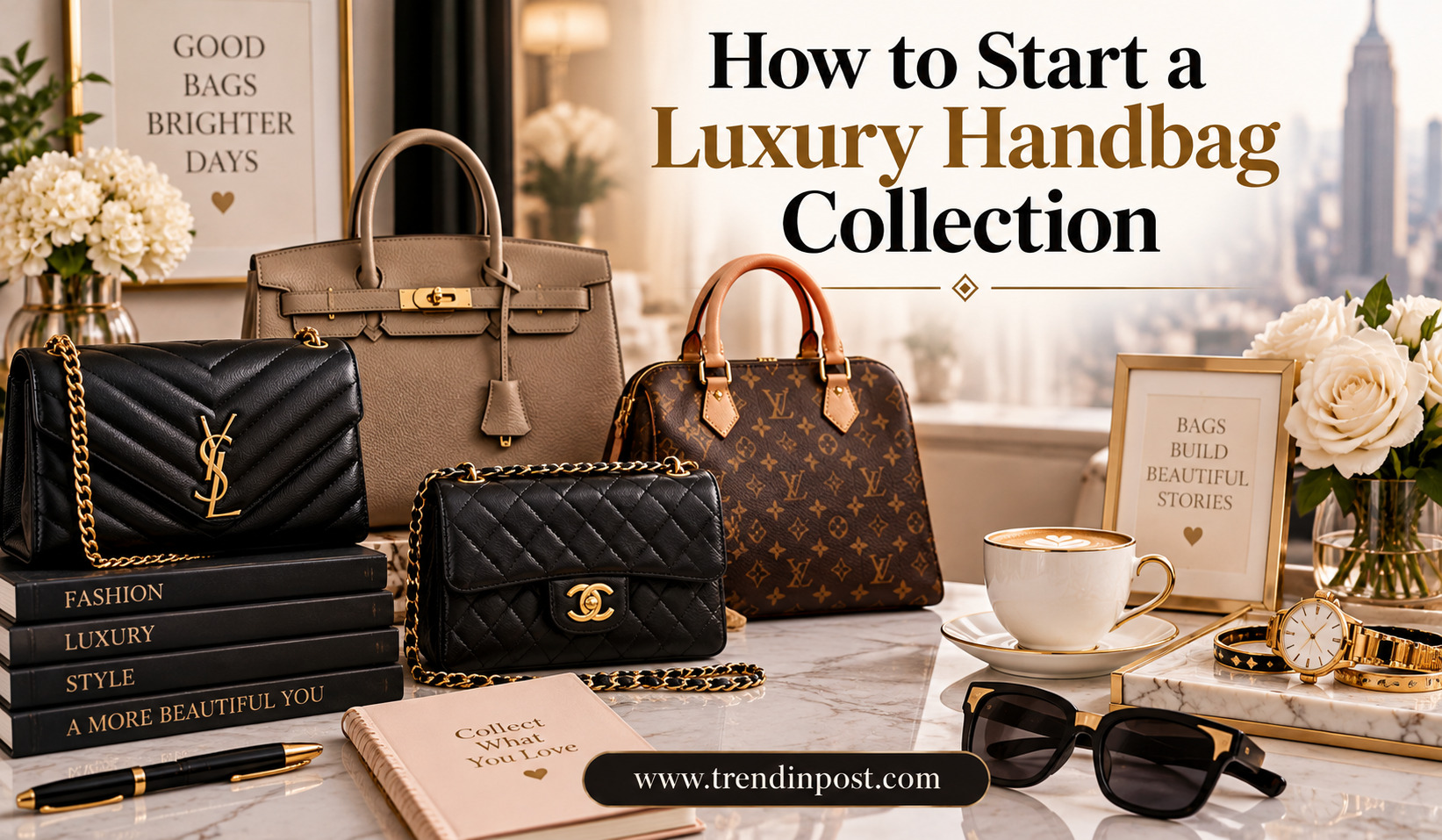
How to Start a Luxury Handbag Collection
Starting a luxury handbag collection can be an exciting way to explore fashion, craftsmanship, design, and personal style. However, building a collection does not necessarily mean buying several expensive bags at once. A thoughtful collection usually develops gradually, with each handbag serving a purpose and reflecting the owner’s preferences.
For first-time buyers, the luxury handbag market can feel overwhelming. There are established fashion houses, emerging designers, different materials, seasonal collections, limited editions, vintage pieces, and a growing pre-owned market. Prices can also vary dramatically between similar-looking handbags.
The best approach is to begin with a clear idea of what you want from your collection. Whether the goal is everyday practicality, timeless style, special-occasion accessories, or collecting distinctive designs, planning can help prevent expensive impulse purchases.
Start With Your Personal Style
Before choosing a brand or specific handbag, consider your existing wardrobe. A luxury handbag should ideally complement the clothes, shoes, and accessories you already wear rather than remain unused because it does not fit your lifestyle.
Some people prefer understated handbags in neutral shades, while others enjoy bold colors, monograms, unusual textures, or statement hardware. Your first purchase should reflect your actual style rather than a trend seen on social media.
Think about the shapes you naturally gravitate toward. Structured top-handle bags create a polished appearance, while crossbody bags can be more practical for everyday activities. Tote bags provide additional space, and smaller shoulder bags can work well for evenings.
Understanding these preferences creates a foundation for the rest of the collection.
Set a Realistic Budget
Luxury handbags can range from relatively accessible entry-level designs to extremely expensive limited editions and exotic leather pieces. Setting a budget before shopping is one of the most important steps for a new collector.
A collection should not create unnecessary financial pressure. Instead of deciding how many handbags you want to own, determine how much you are comfortable spending over a particular period.
It can also be useful to separate everyday purchases from occasional statement pieces. A durable handbag for regular use may provide more practical value than an expensive design that is rarely carried.
Buyers should also account for ownership costs such as professional cleaning, repairs, storage solutions, insurance where appropriate, and possible authentication when purchasing pre-owned pieces.
Choose a First Handbag That Is Versatile
The first handbag often becomes the foundation of a collection. For this reason, versatility is usually more valuable than novelty.
A neutral-colored handbag in a practical size can work across different seasons, outfits, and occasions. Black, brown, beige, cream, navy, and other understated shades are popular starting points because they can complement a wide variety of wardrobes.
However, there is no requirement to begin with a neutral bag. If bright colors are central to your personal style, choosing a colorful handbag may make more sense.
The important consideration is whether you can imagine carrying the bag regularly. A beautiful handbag that does not suit your daily routine may become an expensive decoration rather than a useful part of your collection.
Understand the Major Handbag Categories
A balanced collection often includes different silhouettes rather than multiple bags that perform exactly the same function. Learning the purpose of each category can make future purchases easier.
| Handbag Style | Typical Use | Collection Role |
| Tote | Work, shopping, travel | Practical everyday piece |
| Crossbody | Casual outings | Hands-free option |
| Shoulder bag | Daily and evening use | Versatile staple |
| Top-handle | Formal or polished occasions | Classic statement |
| Clutch | Events and evenings | Special-occasion piece |
| Mini bag | Light outings | Fashion-focused addition |
These categories are not strict rules. A collector may prefer crossbody bags exclusively, while another may focus on structured top-handle designs. The table simply illustrates how different silhouettes can serve different purposes.
Research Before Buying
Luxury handbags are significant purchases, so research should come before the transaction. Look beyond promotional images and study how a bag performs in real-world use.
Read about the material, dimensions, weight, interior organization, closure, strap length, and care requirements. Customer experiences can also provide information that may not be obvious from official product descriptions.
It is particularly useful to examine photographs of the handbag after extended use. A bag that looks perfect in a studio photograph may develop scratches, corner wear, color transfer, or structural changes over time.
Research can also help buyers understand whether a handbag is seasonal or part of a long-running collection. If a design has been produced for many years, information about previous versions may be easier to find.
Learn About Materials
Material selection is an important part of luxury handbag collecting. Different leathers and fabrics have different appearances, textures, durability levels, and maintenance requirements.
Grained leather is often chosen for its durability and textured appearance, while smooth leather can provide a more refined finish but may show scratches more easily. Suede offers a distinctive texture but can require greater protection from moisture and stains.
Canvas is another popular choice, particularly for lightweight everyday handbags. Some designer canvas materials are coated to improve resistance to everyday wear.
Exotic materials such as crocodile, alligator, ostrich, python, and lizard occupy a different part of the luxury market. They can be considerably more expensive and may require specialized care and attention to sourcing regulations.
A new collector does not need to buy every type of material. Understanding the differences is more important than owning all of them.
Build Around a Few Key Pieces
Once you own a versatile first handbag, the next purchases should fill genuine gaps in your collection. Buying another handbag simply because it looks similar to one you already own can quickly lead to duplication.
A thoughtful collection might gradually develop around several roles: an everyday handbag, a work-friendly design, an evening option, and eventually a distinctive statement piece.
This approach allows each purchase to add something different. It also makes it easier to justify spending more on a particular handbag because you know what role it will play.
Three useful questions to ask before every purchase are:
- Does this handbag offer something different from the bags I already own?
- Will I actually use it regularly?
- Does it fit within my long-term collection plan?
If the answer to all three is yes, the purchase is more likely to become a meaningful addition rather than an impulse buy.
Consider Buying Pre-Owned
The pre-owned luxury market has become an important option for collectors. It can provide access to discontinued designs, vintage handbags, limited editions, and older versions of popular models.
Pre-owned shopping can sometimes offer a lower entry price, although rare or highly sought-after handbags may still command substantial premiums.
The biggest concern is authenticity. Counterfeit luxury handbags can be sophisticated, so buyers should be cautious when purchasing expensive pieces from unknown sellers.
When shopping pre-owned, examine the seller’s reputation, return policy, photographs, condition description, provenance, and authentication process. For particularly expensive purchases, independent professional authentication can provide additional reassurance.
Conditions should also be assessed carefully. Minor signs of use may be acceptable, but structural damage, severe corner wear, damaged hardware, odors, or extensive repairs can significantly change the value of a handbag.
Think About Color Strategically
Color can determine how often a handbag gets used. A collection filled entirely with similar neutral shades may become repetitive, but choosing only bold colors can make it difficult to find a bag for certain outfits.
A practical approach is to establish a neutral foundation before adding more distinctive colors. Once the collection has versatile everyday shades, a collector can introduce seasonal tones or statement colors.
Color can also become a way to express personality. Red, green, blue, pink, metallic, and other shades can transform a familiar handbag silhouette into a more distinctive piece.
The goal is not to follow a fixed color formula but to create variety without losing cohesion.
Pay Attention to Hardware and Construction
Luxury handbags should be evaluated beyond their exterior appearance. Hardware, stitching, lining, edges, handles, closures, and strap attachments all contribute to the overall quality.
Zippers should operate smoothly, closures should align properly, and hardware should be securely attached. Stitching should generally appear consistent, while edges should have clean finishing appropriate to the design.
These details become especially important when buying pre-owned handbags. Hardware scratches or loose components may indicate heavy use, while damaged stitching can require professional repair.
A strong collection is built around quality construction rather than simply recognizable logos.
Do Not Chase Every Trend
Fashion trends can change quickly. A handbag that becomes highly visible on social media may be replaced by another popular silhouette within a season.
Collectors who constantly follow trends can end up with bags that no longer match their personal style. Instead, it can be more rewarding to focus on designs that you genuinely appreciate.
Timeless silhouettes can provide a strong foundation, while trend-driven pieces can be added selectively. This approach gives the collection both stability and personality.
The same principle applies to limited editions. Scarcity can make a handbag exciting, but limited availability alone does not make it a worthwhile purchase. The design should still appeal to you independently of its rarity.
Take Care of Every Bag
Proper care can significantly influence the lifespan and appearance of a luxury handbag. Storage is particularly important. Bags should generally be kept in a clean, dry environment and protected from excessive sunlight and humidity.
Overfilling should also be avoided because excessive weight can affect the shape of the handbag and place unnecessary stress on handles and straps.
Useful habits include:
- Store handbags upright or in their recommended shape.
- Keep them away from excessive moisture and direct heat.
- Use appropriate protective materials and follow brand-specific care instructions.
- Address stains, structural problems, and hardware issues promptly.
Different materials require different treatments, so owners should avoid applying cleaning products without confirming that they are suitable for the specific leather or fabric.
Keep Records of Your Collection
As the number of handbags grows, maintaining simple records can become useful. Keep information about purchase dates, prices, receipts, authenticity documents, materials, and repairs.
This information can help with insurance, resale, maintenance, and general collection management. It can also help prevent accidental duplication when shopping for new pieces.
For valuable collections, photographs of each handbag can provide a useful record of condition. Documentation becomes particularly important for rare, vintage, or high-value handbags.
Final Thoughts
Starting a luxury handbag collection is less about owning as many designer pieces as possible and more about making thoughtful choices. A strong collection reflects personal style while providing handbags for different occasions and practical needs.
Beginning with one versatile piece, setting a realistic budget, researching materials and construction, and gradually adding different silhouettes can create a collection that feels intentional. Pre-owned handbags can also provide opportunities to discover discontinued or vintage designs, provided buyers pay close attention to authenticity and condition.
Most importantly, collectors should buy handbags because they genuinely appreciate the design and expect to use or enjoy them. Trends will change, but personal style, quality craftsmanship, and thoughtful purchasing decisions can give a luxury handbag collection lasting appeal.
FAQs
How many handbags should I start with?
There is no ideal number. One versatile handbag can be enough to begin a collection. Add new pieces only when they offer a useful function, distinctive design, or meaningful addition to your existing wardrobe.
What should my first luxury handbag be?
A versatile design that matches your lifestyle is usually a strong starting point. Consider your preferred size, color, material, and how frequently you expect to use the bag.
Is buying pre-owned luxury handbags a good idea?
It can be. The pre-owned market can provide access to older and discontinued designs and sometimes lower prices. However, authenticity and condition should be carefully checked.
Should I buy classic or trendy handbags?
A combination can work well. Classic designs can form the foundation of a collection, while selected trend-focused pieces can add variety and contemporary appeal.
Are luxury handbags good investments?
Some handbags can retain or increase in value, but this is not guaranteed. Brand, model, condition, rarity, market demand, and authenticity all influence resale performance.
Related Post
Gucci Jackie: The Story Behind a Fashion Classic
The Gucci Jackie is one of the most recognizable handbags in the history of Italian…