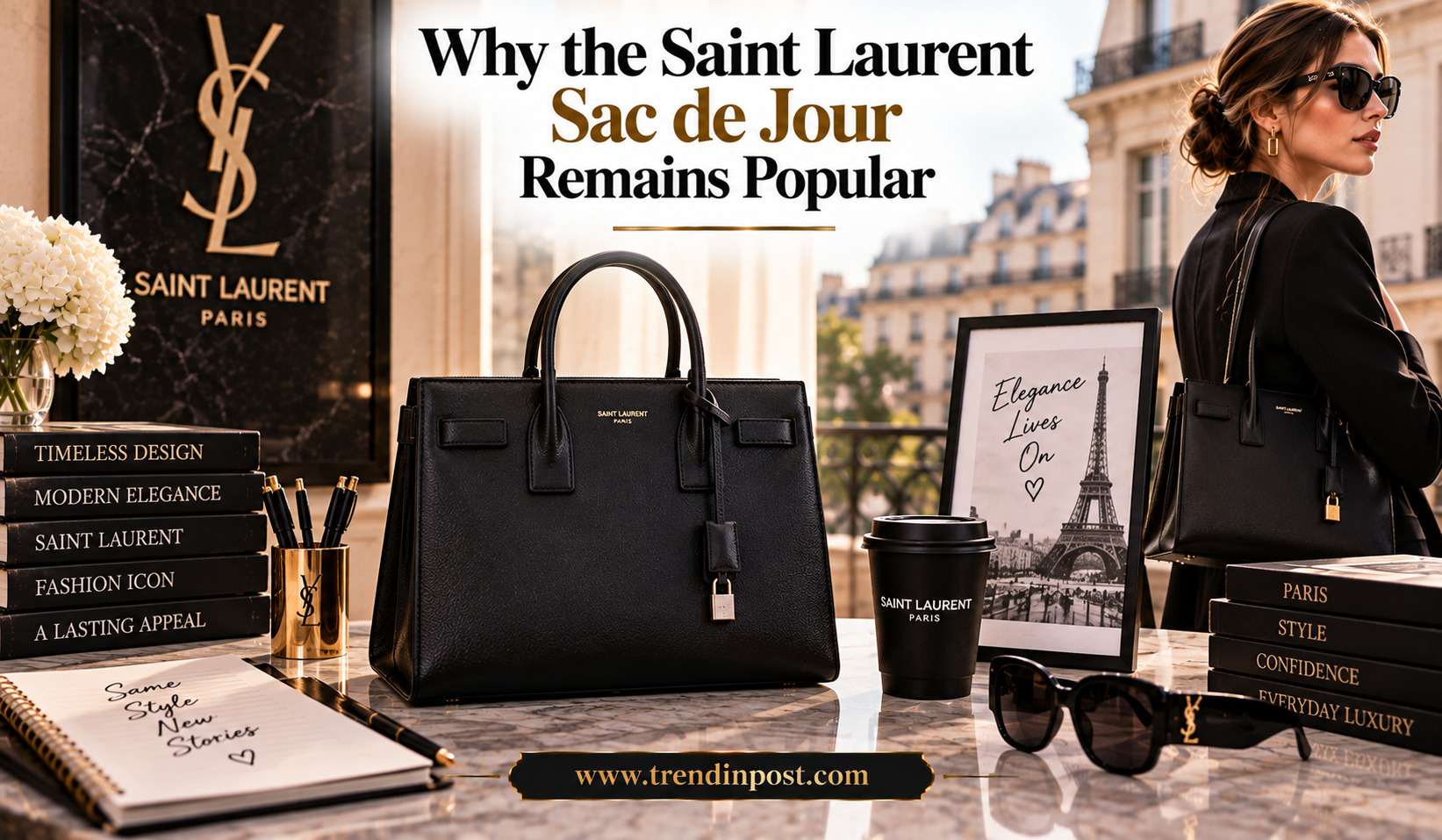
Are Luxury Handbags a Good Investment in 2026?
>> Fashion>> Are Luxury Handbags a Good Investment in 2026?
Are Luxury Handbags a Good Investment in 2026?
Luxury handbags have moved far beyond being simple fashion accessories. In recent years, certain designer bags have developed strong resale markets, attracted collectors and appeared regularly in major luxury auctions. That has led many shoppers to ask an important question in 2026: Are luxury handbags actually a good investment?
The answer is more complicated than simply saying yes or no. Some handbags can hold their value remarkably well, while others may lose a significant portion of their original price after purchase. Brand reputation, rarity, condition, model, material, age and changing consumer preferences can all influence resale value.
The market is nevertheless showing strong signs of collector interest. In June 2026, Christie’s reported that its Paris handbag auction generated €5.84 million, with 98% of lots sold and 83% selling above their high estimates. The sale also included a Hermès Faubourg model that achieved a world record of €635,000.
These results demonstrate that exceptional handbags can attract serious money. However, they should not be interpreted as proof that every luxury handbag is a profitable investment.
Why Luxury Handbags Are Being Considered Investments
Traditional investments such as stocks, bonds and property are generally evaluated through financial performance. Luxury handbags work differently because they combine financial potential with personal use and fashion appeal.
A handbag can be purchased, worn and eventually resold. This gives it a different character from an investment that exists only as a financial asset.
The growing resale market has made this idea more visible. FASHIONPHILE’s 2025 ultra-luxury resale report found strong demand for heritage handbags, with Louis Vuitton, Chanel and Hermès among the leading brands searched by its customers. Its list of top-shopped “timeless treasures” included the Louis Vuitton Speedy, Chanel Double Flap, Gucci Marmont and Hermès Evelyne.
This suggests that buyers are increasingly paying attention to a handbag’s future desirability rather than considering only its retail price.
Not Every Luxury Bag Is an Investment
One of the biggest misconceptions surrounding luxury handbags is that simply buying an expensive designer bag will result in a profit later.
That is not how the market works.
A luxury handbag can depreciate after purchase just like many other consumer products. A seasonal color, unpopular size or heavily produced design may have limited resale demand. Even an established brand can produce models that do not develop long-term collector interest.
The strongest resale performance tends to be associated with handbags that have some combination of heritage, scarcity, craftsmanship and sustained demand.
In practical terms, buyers should be careful about purchasing a bag solely because someone describes it as an “investment piece.”
Which Factors Affect Resale Value?
Several factors can influence what a luxury handbag is worth on the secondary market. The brand is important, but it is only one part of the equation.
The condition is particularly significant. Scratches, stains, worn corners, damaged hardware, odors and interior deterioration can reduce the amount a buyer is willing to pay. Original packaging, accessories, receipts and authenticity documentation can also make a difference depending on the resale platform and buyer.
The model itself matters just as much. A classic design with a long history may have more consistent demand than a short-lived seasonal style.
The main factors buyers should consider include:
- Brand and model reputation
- Condition and maintenance
- Rarity and production history
- Material, color and size
- Authenticity and supporting documentation
These factors can interact in different ways. A rare handbag in poor condition may not necessarily outperform a highly desirable classic that has been carefully maintained.
Hermès, Chanel and Louis Vuitton Remain Important Names
Certain fashion houses have developed particularly strong reputations in the luxury resale market. Hermès is arguably the most prominent example at the high end, especially for the Birkin and Kelly families.
Christie’s reported in August 2026 that Hermès bags are regarded by its specialists as among the most valuable handbags in the world, with rare examples attracting exceptional collector demand.
Chanel and Louis Vuitton also have extensive collector and resale markets. Their long histories, recognizable designs and global customer bases contribute to continued demand.
However, that does not mean every Hermès, Chanel or Louis Vuitton bag is guaranteed to be appreciated. The specific model and condition remain critical.
The Rise of the Resale Market
The expansion of online luxury resale has made it easier for buyers to compare prices and sell handbags after ownership. This has changed the way consumers think about luxury purchases.
Previously, buying a designer handbag was often viewed primarily as a personal fashion decision. Today, consumers can immediately search for previous-season models, compare resale prices and examine auction results.
FASHIONPHILE’s 2025 report showed particularly strong interest in established designs. The Chanel Double Flap remained one of its notable timeless handbag choices, while Louis Vuitton and Hermès also dominated searches across different generations of shoppers.
This creates a feedback loop. Popular bags attract more buyers, stronger resale visibility makes them easier to recognize and their established status can encourage additional demand.
Auction Results Show the High End of the Market
Major auction houses provide another indication of how valuable rare handbags can become.
Christie’s 2026 Paris sale attracted collectors from 47 countries, and 98% of the lots were sold. The auction house said 83% of the lots exceeded their high estimates.
In 2025, Christie’s New York handbag sale also demonstrated strong demand. Its September sale generated more than $3 million, with 98% of lots sold by number and 100% sold by value.
These figures show that the market for collectible handbags is active internationally.
But there is an important distinction between collectible handbags and ordinary retail purchases. The extraordinary prices reported at auction are usually associated with rare, limited, historically significant or unusual pieces. They should not be used as a direct prediction for the resale price of a standard handbag purchased at a boutique.
What Makes a Handbag More Investment-Friendly?
For buyers who are interested in future resale potential, classic designs generally deserve more attention than rapidly changing trends.
A timeless handbag has an advantage because its demand does not depend entirely on one season. Designs such as the Hermès Birkin and Kelly, Chanel’s classic flap styles and certain Louis Vuitton icons have developed strong recognition over many years.
Scarcity can also influence value. Limited editions, unusual materials and rare combinations may attract collectors, although rarity alone does not guarantee demand.
Craftsmanship is another consideration. Bags made with high-quality materials and strong construction can be more appealing to collectors, particularly when the design also has a significant history.
A sensible buyer should therefore look for a combination of recognition, durability, scarcity and continuing demand rather than focusing on price alone.
New Versus Pre-Owned: Which Is Better?
Buying a new handbag gives the buyer certainty about its condition and authenticity when purchasing directly from the brand. However, the initial retail price can make it harder to achieve a profit if the bag later enters the resale market.
Pre-owned handbags can offer a different opportunity. A buyer may find an older model at a lower price, potentially reducing the gap between purchase cost and future resale value.
The challenge is authentication and condition.
The pre-owned market requires careful attention to the seller, documentation, physical condition and authenticity. This is especially important for expensive bags because counterfeit products can significantly complicate resale.
For collectors, buying through established auction houses or reputable luxury resale specialists can provide additional confidence.
Luxury Handbags Versus Traditional Investments
It is important to keep expectations realistic. Luxury handbags should not replace diversified financial investments.
A handbag does not generate dividends or interest. Its value depends heavily on consumer preferences, brand reputation and the condition of a physical object.
There are also costs associated with buying, storing, maintaining and eventually selling a handbag. Resale platforms may charge commissions, while auction houses can have their own fees.
| Factor | Luxury Handbags | Traditional Financial Assets |
| Physical ownership | Yes | Usually no |
| Can be personally used | Yes | No |
| Income generation | Usually none | Possible |
| Value influenced by trends | High | Varies |
| Storage and maintenance | Required | Generally minimal |
| Resale liquidity | Depends on model | Often higher for major assets |
| Collector appeal | Can be significant | Usually not relevant |
For this reason, handbags are better viewed as alternative luxury assets or collectible purchases, rather than replacements for conventional investments.
Is 2026 a Good Time to Buy?
The 2026 market suggests that demand for collectible handbags remains strong, particularly at the premium and rare end.
Christie’s record-setting Paris results and continued international bidding demonstrate that high-end collectors remain active. At the same time, resale platforms continue to report strong consumer interest in established handbag designs.
However, buyers should not interpret strong auction activity as a guarantee of future price increases.
For someone considering a purchase in 2026, the strongest strategy may be to buy a handbag they genuinely want to own and use, while choosing a model with established resale demand.
This approach reduces the risk of ending up with a bag that becomes difficult to sell simply because a trend changes.
Common Mistakes Buyers Should Avoid
Many luxury shoppers focus heavily on the original retail price and forget that resale value is determined by the secondary market.
Another mistake is choosing a highly fashionable seasonal item solely because it is currently popular. Today’s viral handbag may not have the same demand several years later.
Buyers should also avoid neglecting conditions. A classic handbag can lose significant appeal if it has been poorly stored or heavily damaged.
Finally, authenticity should never be treated as a minor detail. The growth of the resale market has made authentication increasingly important for both buyers and sellers.
Final Thoughts
So, are luxury handbags a good investment in 2026? The answer is yes for some handbags, but not in the same predictable way as a conventional financial asset.
The strongest opportunities appear to be concentrated among iconic, rare and highly sought-after designs. Recent auction results from Christie’s demonstrate that exceptional handbags can command extraordinary prices, while resale-market data shows continuing consumer interest in established classics.
For everyday luxury shoppers, the smartest approach is to combine financial awareness with personal enjoyment. Choose a bag because you love its design and will use it, but also consider its heritage, condition, rarity and resale demand.
Frequently Asked Questions
Are luxury handbags a good investment in 2026?
Some luxury handbags can retain or increase their value, but they should not be considered guaranteed investments. Established models with strong resale demand generally have better prospects than seasonal or heavily produced designs.
Which luxury handbag brands have strong resale demand?
Hermès, Chanel and Louis Vuitton are among the most recognized names in the luxury resale and collector markets. Specific models matter more than the brand name alone.
Is Hermès the best handbag investment?
Hermès has an exceptionally strong reputation among collectors, particularly for Birkin and Kelly bags. However, individual results vary according to rarity, condition, material and market demand.
Should I buy a new or pre-owned luxury handbag?
Both options can make sense. New bags provide certainty about condition, while pre-owned bags may offer access to discontinued or older models at different price points.
Does keeping a luxury handbag in excellent condition increase its value?
Generally, yes. Good condition can make a handbag more attractive to future buyers, although the impact depends on the specific model and market.
Related Post

What Makes a Handbag a Luxury Investment?
Luxury handbags have moved beyond their traditional role as fashion accessories. For many shoppers, a…