
How to Protect Luxury Handbags From Scratches
>> Fashion>> How to Protect Luxury Handbags From Scratches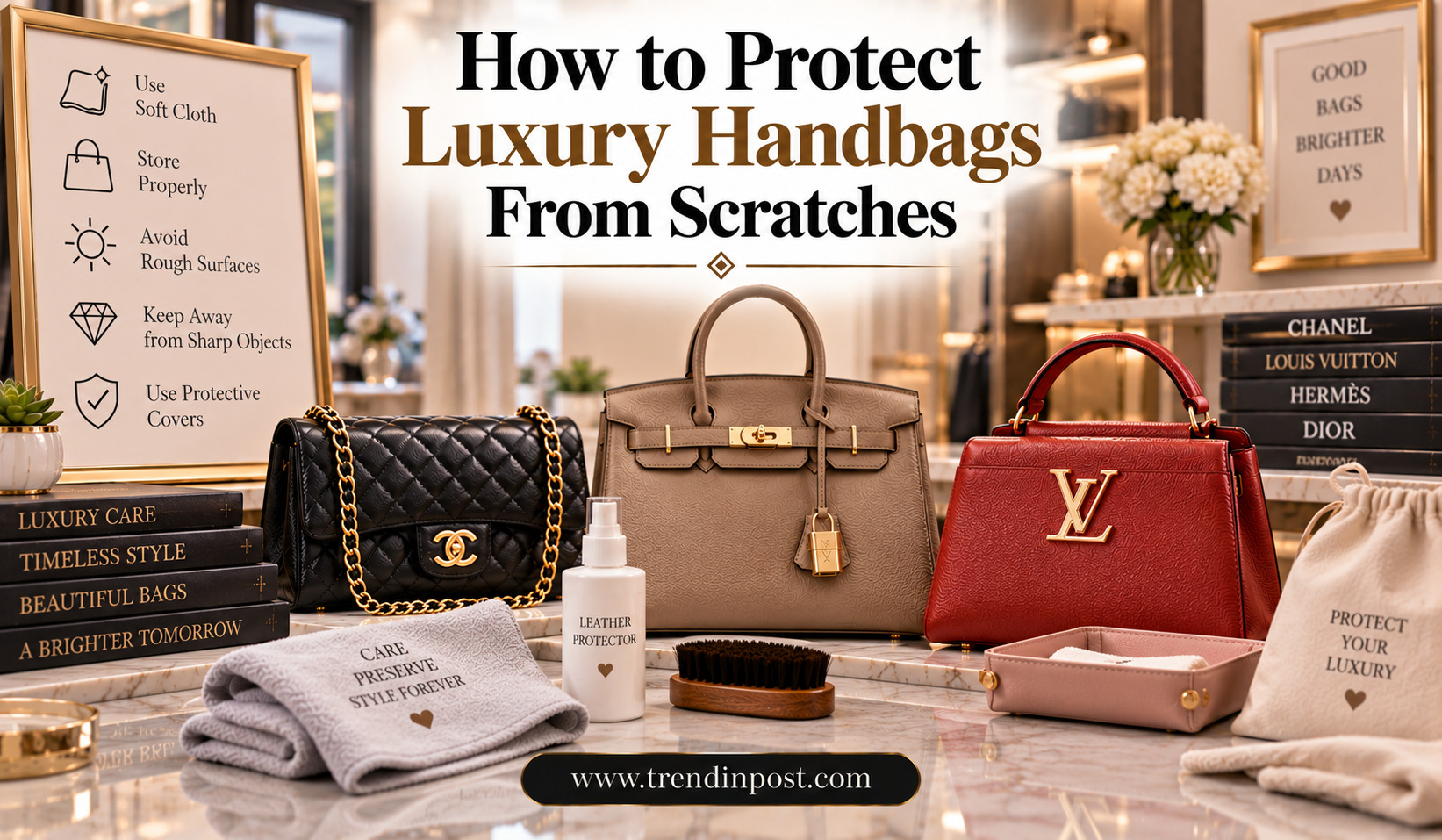
How to Protect Luxury Handbags From Scratches
Luxury handbags are designed to make a statement, but their premium materials also require careful handling. A small scratch on smooth leather, a scuff on a structured bag, or repeated rubbing against rough surfaces can change the appearance of an expensive handbag over time. For owners who invest heavily in designer accessories, preventing these marks is often much easier than trying to repair them later.
As luxury handbags continue to attract attention in both the primary and pre-owned markets, condition has become an important part of ownership. Buyers looking for pre-owned designer bags frequently examine corners, handles, panels, hardware, and other high-contact areas before making a purchase. A handbag that has been carefully maintained may therefore be easier to present in the resale market than one showing extensive signs of use.
Scratch prevention does not mean keeping a handbag permanently inside a cupboard. Instead, it involves understanding which everyday situations create risk and making a few practical changes to how the bag is carried, stored, and handled.
Why Luxury Handbags Are Vulnerable to Scratches
Leather is one of the most popular materials used in luxury handbags, but different leather finishes have different levels of resistance to scratches. Smooth leather can show even small marks because there is little texture to disguise surface imperfections. Softer leather can also develop visible marks through contact with fingernails, jewelry, or rough clothing.
Textured or grained leather may hide minor marks more effectively, although it is not completely scratch-proof. Suede and nubuck have their own maintenance requirements because rubbing can alter their surface texture. Coated materials can provide a different level of protection, but their finishes can still become scratched or scuffed.
The construction of a handbag also matters. Structured designs with prominent corners can experience more contact with tables, walls, car interiors, and other surfaces. Handles and straps can develop marks because they are frequently touched or placed against different materials.
Understanding these vulnerable areas is the first step toward protecting the bag.
Keep Sharp Objects Away From the Handbag
One of the easiest ways to prevent accidental scratches is to control what comes into contact with the handbag. Keys, metal pens, jewelry, chargers with sharp edges, and other hard objects can create scratches when they move around inside or against the bag.
The risk becomes greater when a handbag has a soft interior or when small objects are placed in exterior pockets. Even if an object does not have an obvious sharp edge, repeated movement can create friction against leather.
Using small pouches or organizers can help separate everyday items. Cosmetics can also be kept inside a dedicated pouch, reducing the chance that packaging edges will rub against the interior or exterior.
A simple organization system can make a noticeable difference because preventing repeated contact is generally easier than repairing the resulting damage.
Be Careful Where You Place Your Handbag
The surface underneath a handbag can be just as important as the objects inside it. Rough wooden furniture, unfinished stone, concrete surfaces, metal benches, and textured floors can cause scuffs when the bag is placed down.
A clean, smooth surface is generally preferable. In restaurants, offices, cars, and public spaces, owners should look for a safe location before putting a valuable handbag down.
Tables can also contain hidden risks. Crumbs, grit, jewelry, stationery, and other small particles can create friction between the handbag and the surface. Checking the area quickly before placing the bag down can reduce unnecessary contact.
This habit is especially important for handbags with delicate or light-colored leather because marks can become more noticeable.
Avoid Contact With Rough Clothing
Clothing can also contribute to handbag wear. Heavy denim, textured jackets, embellished garments, metal accessories, and decorative hardware can rub against a handbag during everyday movement.
Crossbody bags can be particularly exposed because they remain in constant contact with clothing while walking. Repeated friction may gradually create surface wear even when there is no single major incident.
When carrying a delicate handbag, it can help to pay attention to where the bag sits against the body. Adjusting the strap position or carrying method may reduce repeated rubbing.
Dark-colored clothing can create an additional concern for lighter handbags because dye transfer may occur through friction. While dye transfer is different from scratching, both problems can affect the appearance of leather and may be difficult to reverse.
Protect High-Contact Areas
Some parts of a handbag naturally experience more contact than others. Corners, handles, bottom panels, strap attachment points, and flap edges can gradually show signs of use.
Owners can reduce wear by changing how they handle the bag. For example, avoiding unnecessary dragging across surfaces and lifting the handbag rather than sliding it can help protect the bottom and corners.
Handles deserve special attention because they are frequently touched. Rings, bracelets, watches, and long fingernails can leave small scratches on leather. Keeping jewelry from repeatedly contacting the handle can reduce this type of damage.
| Handbag Area | Common Scratch Risk | Prevention |
| Corners | Contact with walls and furniture | Carry carefully and avoid dragging |
| Handles | Jewelry, nails and frequent handling | Use clean hands and minimize friction |
| Bottom | Rough tables and floors | Place on smooth, clean surfaces |
| Flap edges | Repeated opening and closing | Handle gently |
| Strap | Clothing and hardware contact | Adjust position and prevent rubbing |
Use a Protective Organizer Carefully
Interior organizers can be useful for keeping belongings separated, but they should fit the handbag properly. An organizer that is too large can put unnecessary pressure on the sides and corners of the bag.
The material of the organizer also matters. Rough or poorly finished materials can create friction against the lining or leather. A smooth, appropriately sized organizer is generally more suitable.
Owners should also avoid filling every compartment with heavy objects. Excess weight can affect the handbag’s structure and place additional stress on handles, seams, and attachment points.
The goal of an organizer should be to improve protection and organization, not to force the handbag into a shape it was not designed to accommodate.
Be Careful With Handbag Accessories
Bag charms, chains, key rings, decorative straps, and other accessories can personalize a handbag, but they can also create scratches if they repeatedly touch the leather.
Metal components are particularly important to monitor. A charm attached near a leather panel may swing against the surface while walking, gradually creating marks.
Before adding an accessory, owners should consider where it will move and whether its hardware can contact the handbag. If there is frequent contact, changing the attachment point or using a softer accessory may reduce the risk.
The same principle applies to detachable shoulder straps. Metal clips should be positioned carefully so they do not repeatedly strike or rub against the main body of the bag.
Store Luxury Handbags Properly
Storage is one of the most overlooked aspects of scratch prevention. A handbag that is carefully handled during the day can still become damaged if it is stored underneath other accessories or against rough objects.
When not in use, the handbag should ideally be kept in a clean, dry area away from sharp objects. The original dust bag can help protect the exterior from dust and accidental contact.
Structured handbags may benefit from gentle internal support to help maintain their original shape. However, the bag should never be overstuffed because excessive pressure can stretch leather or distort the construction.
Handbags should also have enough space around them. Stacking multiple bags tightly together can cause hardware from one bag to rub against another.
Avoid Excessive Cleaning
When owners notice a small scratch, the immediate reaction may be to clean or polish the affected area. However, aggressive rubbing can make the situation worse.
Different leathers respond differently to cleaning products. Some treatments can change the color, texture, or finish of the material. Household cleaning products should not automatically be considered safe for designer leather.
For routine maintenance, gentle dust removal is usually preferable to frequent deep cleaning. If a scratch is significant or appears to have penetrated the finish, professional assessment may be safer than experimenting with an unfamiliar product.
What to Do When a Scratch Appears
Not every scratch requires professional restoration. Very light surface marks may sometimes become less noticeable through normal handling or appropriate manufacturer-approved care. However, owners should avoid immediately applying oils, creams, or household products without knowing how the material will react.
A useful first step is to identify the type of leather and determine whether the mark is superficial or deeper. Taking a clear photograph can also help when seeking advice from a professional leather specialist.
For valuable vintage or collectible handbags, professional evaluation can be particularly important. An attempted home repair may permanently change the original finish and potentially affect the bag’s appeal in the resale market.
Everyday Habits That Reduce Scratches
Scratch prevention largely comes down to small habits rather than complicated treatments. Owners who regularly carry luxury handbags can incorporate a few simple practices into their routine:
- Keep keys, pens, jewelry, and sharp objects separated from the handbag.
- Place the bag only on clean and relatively smooth surfaces.
- Avoid dragging the handbag across tables, floors, or other surfaces.
- Check chains, charms, and metal accessories for repeated contact with leather.
- Store the bag separately in a suitable dust bag when it is not being used.
These habits may appear minor, but repeated exposure to friction is one of the main reasons everyday handbags gradually develop visible wear.
Why Scratch Prevention Matters for Resale
Luxury handbags can retain significant interest in the secondary market, particularly when they are from recognized brands or desirable collections. Condition is one of the factors buyers may consider when comparing pre-owned examples.
A handbag with heavily scratched corners, worn handles, or damaged leather may require restoration before resale. In contrast, a well-maintained bag can present a cleaner ownership history.
However, preventing scratches does not guarantee a specific resale price. Market demand, model popularity, rarity, color, authenticity, condition, accessories, and provenance can all influence what buyers are willing to pay.
For owners who may eventually sell their handbag, keeping original packaging, receipts, authentication documents, and service records can also help maintain a more complete record of the item.
Professional Repair vs. DIY Scratch Removal
DIY leather repair can appear attractive because numerous cleaning and restoration products are available online. However, luxury handbags often use specialized finishes, and an incorrect product can create discoloration or texture changes that are more difficult to repair than the original scratch.
Professional restoration can be appropriate when a handbag has deep scratches, significant scuffing, color loss, or damage to multiple areas. Before authorizing work, owners should ask what treatment will be used and whether the process will alter the original finish.
For collectible handbags, preserving original materials can be especially important. Restoration should therefore focus on appropriate conservation rather than simply making the bag look new.
Conclusion
Protecting a luxury handbag from scratches is primarily about prevention. Keeping sharp objects separated, choosing safe surfaces, minimizing friction, handling hardware carefully, and storing the bag properly can help preserve its original appearance.
Owners should also remember that different leather types require different care. A treatment suitable for one material may damage another, making experimentation risky. When a handbag develops a serious scratch, professional assessment can be more appropriate than aggressive DIY repair.
Luxury handbags are designed to be used and enjoyed, so normal signs of wear are not necessarily a problem. The goal is not to eliminate every mark but to prevent avoidable damage and preserve the handbag’s craftsmanship and condition for as long as possible.
FAQs
Can luxury handbag leather be completely protected from scratches?
No leather handbag is completely scratch-proof. Regular use naturally creates some wear, but careful handling and proper storage can significantly reduce avoidable scratches.
Which handbag areas are most likely to get scratched?
Corners, bottom panels, handles, flap edges, and areas around strap attachments commonly experience more contact. The exact risk depends on the handbag’s design and leather type.
Can I use a leather cream to remove scratches?
Not automatically. Different leather finishes react differently to products. Using an unsuitable cream can change the color or texture, so manufacturer guidance or professional advice is preferable.
Are handbag organizers safe for leather?
They can be useful when properly sized and made from suitable materials. An organizer that is too large or rough can create pressure or friction and may cause additional wear.
How should I store a luxury handbag?
Store it in a clean, dry environment away from direct sunlight and sharp objects. A suitable dust bag can provide additional protection, while gentle internal support can help some structured bags retain their shape.
Related Post

What Makes a Handbag a Luxury Investment?
Luxury handbags have moved beyond their traditional role as fashion accessories. For many shoppers, a…