How Condition Affects Luxury Handbag Resale Value
>> Fashion>> How Condition Affects Luxury Handbag Resale Value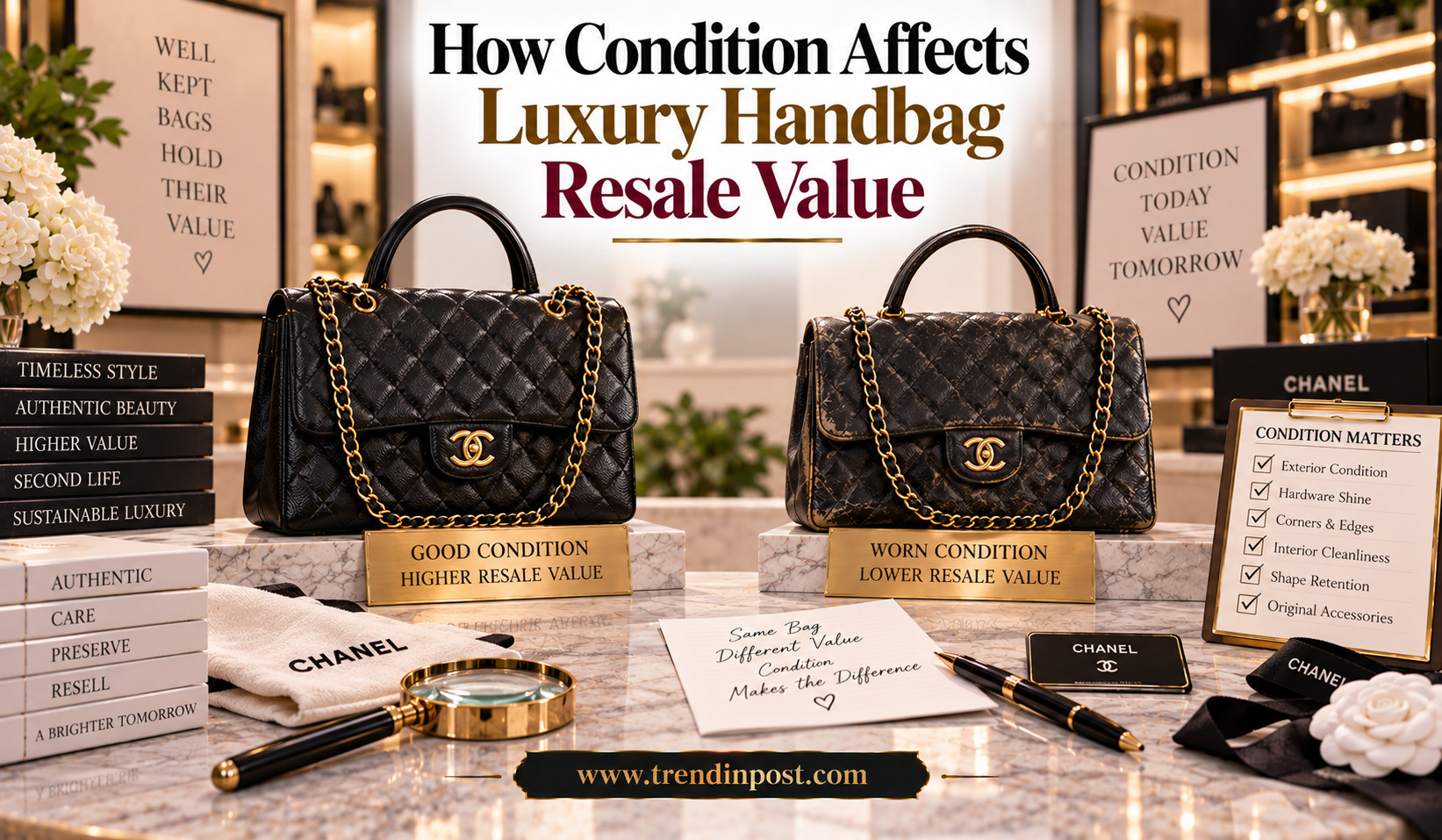
How Condition Affects Luxury Handbag Resale Value
The condition of a luxury handbag can have a major influence on how much it is worth in the resale market. While brand, model, age and rarity all contribute to a handbag’s appeal, physical condition is often one of the first things buyers examine when considering a pre-owned piece.
A handbag that has been carefully maintained can attract more interest than an identical model showing significant signs of use. This difference becomes especially important with high-value designer bags, where buyers may compare several examples of the same model before making a purchase.
The growing luxury resale market has also made conditions more important. Online buyers can compare photographs, descriptions and prices from multiple sellers within minutes. As a result, handbags in excellent condition can stand out, while heavily worn examples may need to be priced more competitively.
Why Condition Matters in the Luxury Resale Market
Luxury handbags are physical products, which means they naturally show signs of use over time. Unlike digital assets or financial securities, their physical appearance can directly influence a buyer’s perception of value.
A handbag with clean leather, intact stitching and well-maintained hardware can appear closer to its original retail condition. This can make it more attractive to someone looking for a pre-owned luxury piece without wanting the appearance of a heavily used item.
Condition can be particularly important for classic handbags. When several examples of the same model are available on the resale market, buyers may choose the one that offers the best combination of price, authenticity and condition.
This creates a simple relationship: the stronger the condition, the easier it can be to present the handbag as a desirable pre-owned item, although market demand and other factors still determine the final selling price.
What Does “Excellent Condition” Really Mean?
Terms such as “excellent,” “very good” and “good” condition are commonly used by luxury resale businesses, but there is no single universal grading system.
One seller’s definition of excellent condition may differ from another’s. Buyers should therefore look beyond the label and examine the actual details of the handbag.
A well-preserved handbag may have only minor signs of use, while a heavily used piece could have visible scratches, worn corners or discoloration.
Typical condition categories can be understood broadly as follows:
| Condition | Typical characteristics | Likely resale appeal |
| Like new | Minimal or no visible wear | Very high |
| Excellent | Minor signs of careful use | High |
| Good | Noticeable but manageable wear | Moderate |
| Fair | Significant visible wear | Lower |
| Poor | Major damage or deterioration | Limited |
These categories are general guidelines rather than fixed industry standards. The exact description used by a resale platform should always be checked before buying or selling.
Leather Condition Can Change the Appearance of a Bag
Leather is one of the most visible components of many luxury handbags, so its condition can strongly affect the overall impression.
Small scratches may be expected on a pre-owned handbag, but deep marks, stains, discoloration and excessive creasing can become more significant concerns. Certain leather types are also more sensitive to moisture, oils and friction.
Color can make these issues more or less noticeable. Light-colored handbags may reveal marks and discoloration more easily than darker versions, while certain textured leathers can disguise minor surface wear.
This does not mean that every used handbag needs to look completely new. Some collectors appreciate natural signs of aging, particularly when they are consistent with the character of the material.
The key factor is whether the aging looks well maintained or neglected.
Corners and Edges Receive Heavy Wear
The bottom corners and edges of a handbag are among the areas most likely to show use. Repeated contact with clothing, furniture, floors and other surfaces can gradually cause rubbing and discoloration.
For structured handbags, edge wear can be especially noticeable because the corners help define the bag’s shape.
When buying a pre-owned handbag, close inspection of these areas is therefore important. A seller’s photographs should ideally show all four corners, along with the base and side panels.
Minor edge wear may be acceptable for a lower-priced pre-owned purchase. Extensive peeling, exposed material or structural damage can have a much greater effect on desirability.
Hardware Also Tells the Story
Metal hardware can develop scratches, tarnishing or changes in finish as a handbag is used. Clasps, chains, buckles, feet and other metal components are particularly exposed to contact.
For some luxury handbags, hardware is a major part of the design. As a result, damage can be more noticeable than it would be on a simple accessory.
Buyers should look for:
- Scratches or deep marks
- Tarnishing or discoloration
- Loose hardware
- Damaged closures
- Missing decorative components
A small amount of surface wear may be normal for a pre-owned bag, but damaged or missing hardware can become a more serious resale concern.
Interior Condition Is Often Overlooked
Many shoppers focus on the outside of a luxury handbag and forget to examine the interior. However, the lining and internal compartments can provide important evidence about how the bag was used.
Makeup stains, ink marks, food residue, dust and discoloration can reduce the appeal of a pre-owned handbag. Odor can also be a major issue, particularly when it comes from smoke, perfume, moisture or poor storage.
The interior should therefore receive the same attention as the exterior.
A clean interior can reinforce the impression that the previous owner took good care of the handbag. This can be particularly valuable when the bag is being sold to a buyer who intends to use it immediately.
Shape and Structure Matter
A luxury handbag can lose some of its appeal if its original shape has been significantly distorted.
Overloading a bag for long periods can place stress on handles, seams and leather. Poor storage can also cause soft handbags to develop unwanted creases or structured bags to lose their intended form.
Proper storage can help reduce these problems. Many owners use protective stuffing to help maintain shape when a handbag is not being used.
However, stuffing should be appropriate for the bag and should not put excessive pressure on the material.
Original Accessories Can Add Confidence
Condition is not limited to the handbag itself. Accessories and supporting items can also influence the resale presentation.
Depending on the brand and model, buyers may value original straps, detachable accessories, dust bags, boxes, authenticity-related documentation and receipts.
These items do not automatically increase the market value by a fixed amount, but they can make a handbag more appealing and may provide useful supporting information for authentication and provenance.
This is particularly relevant for older or collectible handbags, where buyers may want to understand the item’s history.
Can Professional Restoration Increase Resale Value?
Professional cleaning or restoration can sometimes improve the appearance of a used handbag. However, restoration is not always beneficial from a collector’s perspective.
Some buyers prefer an original, untouched condition, particularly when dealing with vintage or historically significant pieces. Aggressive cleaning, repainting or replacement of original components can potentially change the character of the handbag.
For this reason, owners should think carefully before using a restoration service.
Professional treatment may make sense when the bag has ordinary dirt or minor cosmetic issues, but significant restoration should be evaluated based on the handbag’s age, material, value and collector appeal.
Condition and Brand Work Together
Condition cannot be separated completely from brand and model demand.
A highly sought-after classic in good condition may attract considerable interest even when it shows some signs of use. Conversely, a relatively unknown or unpopular handbag may struggle to sell even if it is almost new.
This is why resale value is better understood as a combination of factors.
| Factor | Effect on resale appeal |
| Brand reputation | Establishes baseline demand |
| Model popularity | Determines buyer interest |
| Condition | Influences desirability and price |
| Rarity | Can increase collector interest |
| Material and color | Can affect demand |
| Authenticity | Essential for legitimate resale |
| Original accessories | Can strengthen presentation |
Condition is therefore extremely important, but it is only one part of the overall resale equation.
How Owners Can Protect Resale Value
People who think they may eventually sell a luxury handbag should begin protecting its condition from the day they purchase it.
Regular care does not require complicated routines. Basic habits such as avoiding excessive moisture, keeping the bag away from abrasive surfaces and storing it properly can make a meaningful difference over several years.
Owners should also avoid treating a luxury handbag like an ordinary everyday object if they want to preserve its appearance. Carrying heavy or sharp objects inside can damage the lining, while cosmetics should ideally be kept in protective pouches.
A few simple habits can help:
- Store the handbag in a suitable dust bag when not in use.
- Keep its shape supported without overstuffing it.
- Avoid prolonged exposure to moisture, heat and direct sunlight.
- Keep accessories and purchase documentation together.
These steps cannot guarantee a higher resale price, but they can help preserve the handbag’s overall condition.
Does Age Always Reduce a Handbag’s Value?
Not necessarily. Age can have different effects depending on the handbag.
Some older designs become desirable because they represent a particular period in a fashion house’s history. Vintage handbags can attract collectors when the model has strong cultural significance, distinctive construction or limited availability.
In other cases, age can simply mean more wear and deterioration.
Therefore, the relationship between age and value is not straightforward. A well-preserved vintage handbag from an iconic collection can potentially be more desirable than a newer model that has experienced heavy use.
The Importance of Honest Condition Descriptions
Sellers also play an important role in maintaining trust in the resale market.
A handbag described as “excellent” should not arrive with undisclosed stains, damaged corners or significant hardware problems. Accurate descriptions and detailed photographs help buyers make informed decisions.
Honest condition reporting can also reduce disputes and returns. For expensive luxury goods, transparency is especially important because buyers are often making substantial purchases without physically examining the item before payment.
Final Thoughts
Condition is one of the most important factors affecting luxury handbag resale value, but it does not work independently. A handbag’s brand, model, rarity, material, authenticity and current market demand all contribute to what a future buyer may be willing to pay.
For owners, protecting condition is therefore one of the simplest ways to preserve the potential resale appeal of a luxury handbag. Careful storage, sensible use and proper maintenance can help minimize unnecessary damage.
At the same time, buyers should look beyond labels such as “excellent” or “very good” and examine the actual handbag carefully. Corners, leather, hardware, lining, handles and overall shape can reveal much more than a seller’s headline description.
Ultimately, a well-maintained luxury handbag has an important advantage in the second-hand market: it gives future buyers the opportunity to own a pre-owned piece that still looks and feels desirable. While good condition cannot guarantee appreciation or a particular resale price, it can make a meaningful difference when a handbag eventually changes hands.
Frequently Asked Questions
How much does condition affect luxury handbag resale value?
There is no universal percentage because resale prices depend on the brand, model, material, rarity and market demand. However, conditions can make a significant difference when buyers compare similar handbags.
What is the best condition for resale?
Like-new and excellent-condition handbags generally have the strongest visual appeal, provided the model itself has sufficient market demand.
Do scratches reduce a handbag’s value?
They can. Minor scratches may be accepted as normal wear on pre-owned bags, while deep scratches or extensive surface damage can reduce desirability.
Does keeping the original box increase resale value?
Original packaging and accessories can improve the presentation and may provide additional confidence to buyers, although they do not guarantee a specific increase in resale price.
Should I restore a luxury handbag before selling it?
Not always. Minor professional cleaning may improve presentation, but extensive restoration can alter original materials or finishes. The decision should depend on the handbag and its condition.
Related Post
Why Exotic Leather Handbags Are So Expensive
Exotic leather handbags occupy a unique position in the luxury fashion market. While many designer…