
Why Fiber-Rich Foods Are Having a Major Moment
>> LifeStyle>> Why Fiber-Rich Foods Are Having a Major Moment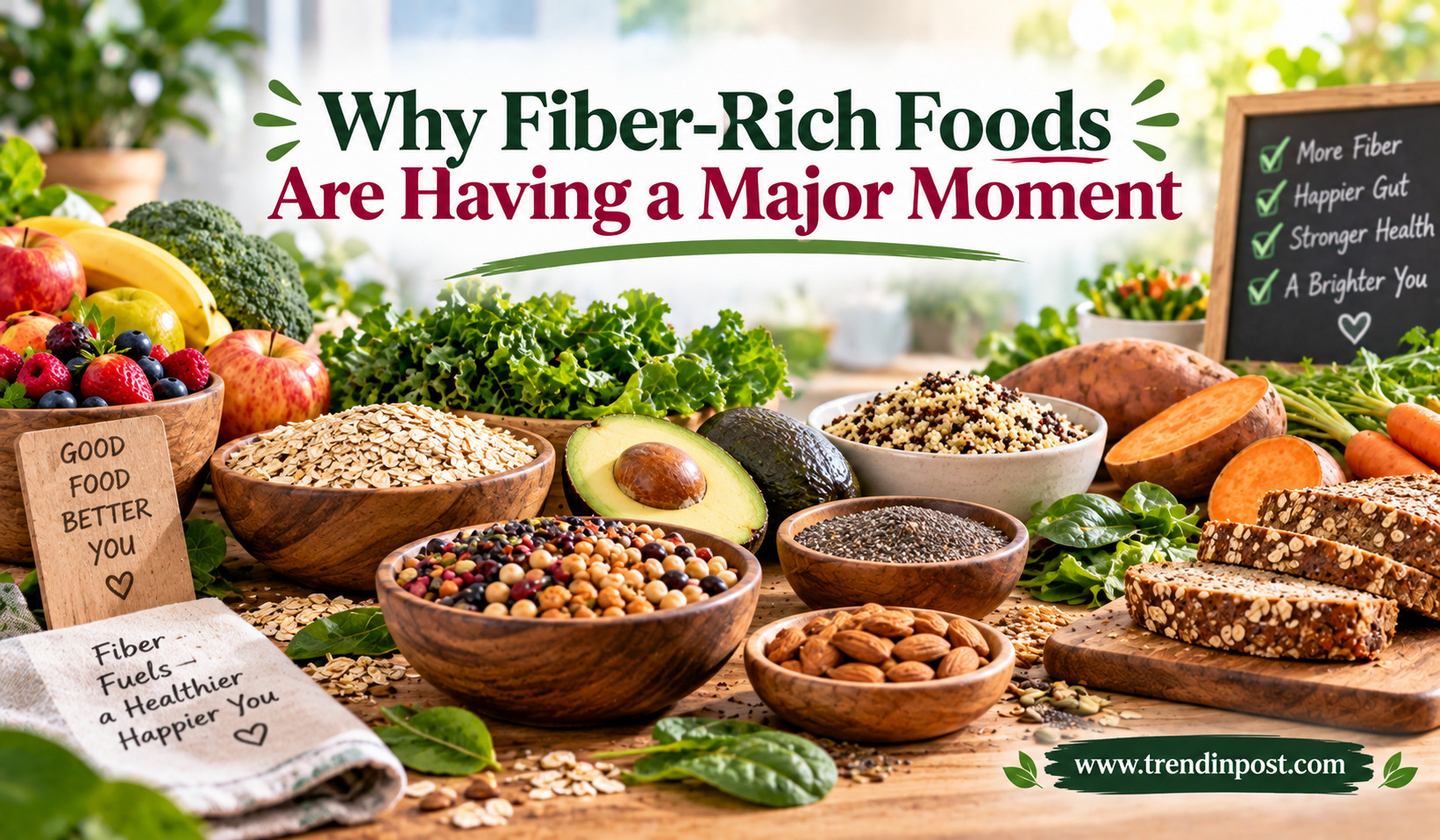
Why Fiber-Rich Foods Are Having a Major Moment
Fiber-rich foods are moving into the spotlight as consumers take a closer look at what they eat and how different foods fit into a balanced lifestyle. Once viewed mainly as a nutrition term found on food labels, fiber is increasingly becoming part of everyday conversations around digestion, fullness, plant-based eating and overall dietary quality.
The renewed interest is appearing across supermarkets, restaurant menus, food brands and social media. Consumers are finding more products built around oats, lentils, beans, whole grains, fruits, vegetables, seeds and nuts. At the same time, familiar foods are being presented in new formats designed to make adding fiber to meals easier.
The trend reflects a broader shift in food culture. Rather than focusing only on calories or individual nutrients, many consumers are becoming more interested in the overall composition of their diets. Fiber has naturally benefited from this change because it is found in a wide range of minimally processed plant foods.
What Is Driving the New Interest in Fiber?
For many years, fiber was associated mainly with digestive health. While that remains an important reason people pay attention to it, the modern conversation is much broader.
Dietary fiber is found in plant foods and includes different types with different properties. Some forms contribute to stool bulk and regularity, while others can be fermented by gut microorganisms. This has helped connect fiber with the growing public interest in the gut microbiome and digestive wellbeing.
Nutrition research has also contributed to greater awareness of dietary patterns that contain plenty of plant foods and fiber. Rather than treating fiber as a single “super nutrient,” health professionals generally consider it one component of a balanced diet.
This distinction matters because simply adding one high-fiber product does not automatically make an entire diet healthy. Variety remains important.
The Gut Health Conversation Is Growing
One of the strongest forces behind fiber’s popularity is the expanding public interest in gut health. Consumers are increasingly familiar with terms such as probiotics, prebiotics and the gut microbiome.
Certain types of dietary fiber can serve as substrates for bacteria in the large intestine. This has encouraged food companies to explore ingredients that support diets rich in naturally occurring fiber.
However, gut health is complex, and individual responses to dietary changes can vary. Increasing fiber gradually and drinking enough fluids can be useful for people who are making significant changes to their intake.
The growing conversation has nevertheless made consumers more curious about foods that previously received little attention. Lentils, chickpeas, oats, beans and whole grains are now being promoted not just as traditional staples but as useful components of modern eating patterns.
Everyday Foods Are Getting a New Image
One interesting aspect of the fiber trend is that many of the foods gaining attention are not new at all. Beans, lentils, vegetables, fruits and whole grains have been consumed across cultures for generations.
What is changing is the way these foods are being discussed and packaged.
Oats can appear in overnight breakfast products. Chickpeas can be turned into spreads and roasted snacks. Lentils can become the base of convenient ready-to-eat meals. Seeds can be added to yoghurt, smoothies and breakfast bowls.
This shift makes fiber-rich foods feel more compatible with busy lifestyles. Consumers do not necessarily need to change their entire diet; they can introduce fiber through familiar meals and snacks.
Common Fiber-Rich Foods
- Beans, lentils and chickpeas
- Oats and other whole grains
- Fruits and vegetables
- Nuts and seeds
These foods differ considerably in taste and nutritional composition, but they share an important characteristic: they can contribute dietary fiber as part of a varied eating pattern.
Food Brands Are Responding to Demand
The food industry has noticed the increased attention. Supermarket shelves now contain a wider range of products marketed around whole grains, plant ingredients and higher-fiber formulations.
Breakfast cereals, snack bars, breads, crackers and ready-to-eat meals are among the categories where fiber claims can attract consumers. Some manufacturers are also incorporating ingredients such as oats, seeds, legumes and whole grains into products that traditionally relied more heavily on refined ingredients.
The challenge for brands is making these products genuinely useful rather than simply using fiber as a marketing term. Consumers are becoming more capable of reading nutrition labels and comparing products.
A product labelled as high in fiber may still contain substantial amounts of sugar, sodium or saturated fat. As a result, fiber is increasingly becoming one part of the purchasing decision rather than the only factor.
Whole Foods Remain Central to the Trend
Despite the growth of packaged products, the renewed interest in fiber is also strengthening demand for naturally fiber-rich foods.
Whole fruits, vegetables, legumes and whole grains provide fiber alongside other nutrients and naturally occurring compounds. They can also add texture, flavour and variety to meals.
This is significant because consumers do not necessarily need specially formulated products to increase fiber intake. Simple changes, such as choosing whole grains more often or adding beans and vegetables to meals, can increase the amount of fiber in a diet.
The trend may therefore represent a return to basics as much as it represents a new food movement.
Fiber and Modern Breakfast Culture
Breakfast is one area where fiber-rich foods are becoming particularly visible. Oatmeal, overnight oats, whole-grain toast, fruit bowls, chia-based dishes and yoghurt combinations have become common features of modern breakfast menus.
These meals appeal to consumers because they can be prepared in advance and customised with different fruits, nuts and seeds. The combination of convenience and nutritional variety has helped make fiber-rich breakfast options more attractive.
Social media has also played a role. Breakfast bowls and overnight oats are easy to photograph and customise, giving traditional fiber-rich ingredients a contemporary presentation.
The result is a familiar nutritional concept presented in a way that fits modern food culture.
A Closer Look at Fiber Sources
Not all fiber-rich foods provide the same nutritional profile. Fruits and vegetables, for example, can provide fiber along with vitamins, minerals and plant compounds. Legumes provide fiber and are also sources of protein and other nutrients. Whole grains provide different nutrients depending on the grain and how it is processed.
| Food Group | Examples | How It Fits Into Meals |
| Legumes | Lentils, beans, chickpeas | Curries, salads, soups, bowls |
| Whole grains | Oats, brown rice, whole-grain breads | Breakfast and main meals |
| Fruits | Guava, apples, pears, berries | Snacks and breakfast |
| Vegetables | Carrots, peas, broccoli | Sides, salads and meals |
| Nuts & seeds | Almonds, chia, flax, sunflower seeds | Toppings and snacks |
The variety available means consumers can build fiber into meals without depending on one particular ingredient.
Convenience Could Determine the Next Stage of Growth
Although awareness is increasing, convenience remains important. Many people know they should eat more plant foods but struggle to incorporate them consistently into busy routines.
This is where prepared foods can play a role. Frozen vegetables, canned beans, pre-cooked lentils and convenient whole-grain products can reduce preparation time.
Ready-to-eat products may also help, provided consumers pay attention to the overall nutritional profile. The most successful products could be those that combine convenience with recognisable ingredients and straightforward nutritional information.
The trend therefore sits at the intersection of health awareness and modern time pressures.
Fiber Is Becoming Part of the Sustainable Food Conversation
The popularity of fiber-rich foods also intersects with the growing interest in plant-forward eating. Beans, lentils, peas and whole grains can play an important role in meals that rely more heavily on plant ingredients.
This does not necessarily mean consumers are abandoning animal products. Instead, many people are experimenting with meals that include a greater variety of plant foods.
Legumes are particularly interesting because they can be used in numerous cuisines and are relatively accessible in many markets. Their versatility makes them suitable for both traditional recipes and modern food products.
The sustainability benefits of individual foods depend on farming methods, geography, processing and other factors, so broad claims should be treated carefully. Still, greater interest in diverse plant foods is contributing to wider conversations about food systems.
The Importance of Increasing Fiber Gradually
The enthusiasm surrounding fiber should be balanced with practical considerations. People who suddenly increase their intake substantially may experience temporary digestive discomfort.
A gradual increase can give the digestive system time to adjust. Drinking sufficient fluids is also important, although individual needs vary.
Consumers should also remember that fiber supplements and highly fortified products are not necessarily equivalent to eating a varied selection of whole plant foods. Whole foods provide fiber alongside other nutrients and beneficial compounds.
Simple Ways to Add More Fiber
- Replace some refined grains with whole-grain alternatives.
- Add beans or lentils to soups, salads and main dishes.
- Include fruits and vegetables across different meals.
- Add nuts or seeds to suitable breakfasts and snacks.
These changes can be introduced gradually rather than requiring a complete overhaul of eating habits.
Why This Trend Could Last
Some food trends disappear after a short period, but the interest in fiber is connected to several longer-term consumer concerns. People are paying greater attention to digestive health, plant-based foods, food labels and dietary quality.
These themes are unlikely to disappear quickly. As a result, fiber may remain relevant even as individual products and diet trends change.
The next stage could involve more personalised approaches. Consumers may increasingly look for foods that fit specific dietary preferences while still offering recognizable sources of fiber.
Food companies may also focus on improving taste and texture. Simply adding fiber is not enough if a product becomes difficult to eat or loses its appeal.
Conclusion
Fiber-rich foods are having a major moment because they connect with several of the biggest changes happening in modern food culture. Consumers are becoming more interested in gut health, plant-based foods, nutrition labels and meals built around recognizable ingredients.
What makes the trend particularly interesting is that many of its key foods are not new. Beans, lentils, oats, vegetables, fruits, nuts and whole grains have been part of traditional diets for generations. Modern consumers are simply looking at them through a new nutritional lens.
The growing demand is likely to influence both grocery shelves and home kitchens. Food manufacturers may continue developing convenient high-fiber products, while consumers may increasingly incorporate naturally fiber-rich ingredients into everyday meals.
Rather than being a short-lived food fad, fiber’s growing popularity could represent a broader return to dietary variety and minimally processed plant foods. Its continued relevance will ultimately depend on making fiber-rich choices practical, affordable, enjoyable and easy to include in everyday eating habits.
Frequently Asked Questions
Why are fiber-rich foods becoming popular?
Growing awareness of digestive health, plant-based eating and overall dietary quality has increased consumer interest in fiber. Social media and food brands have also helped make fiber-rich ingredients more visible.
Which foods are naturally high in fiber?
Legumes, whole grains, many fruits, vegetables, nuts and seeds are important sources of dietary fiber. The amount varies considerably between individual foods.
Is fiber important for digestion?
Yes. Dietary fiber can support normal bowel function, although different types of fiber have different effects in the digestive system.
Should everyone suddenly increase their fiber intake?
A large, sudden increase can cause digestive discomfort for some people. A gradual increase is generally more practical, alongside adequate fluid intake.
Are packaged high-fiber foods healthy?
Not automatically. Consumers should consider the entire nutrition label, including added sugars, sodium, saturated fat and ingredient quality, rather than focusing only on the fiber number.
Related Post

Best Terracotta Pots for Natural Home Décor
Terracotta pots have a timeless appeal that can bring warmth, texture, and an unmistakably natural…