Japan Travel in Autumn 2026: Best Destinations, Seasonal Events and Travel Tips
>> Travels & Tourism>> Japan Travel in Autumn 2026: Best Destinations, Seasonal Events and Travel Tips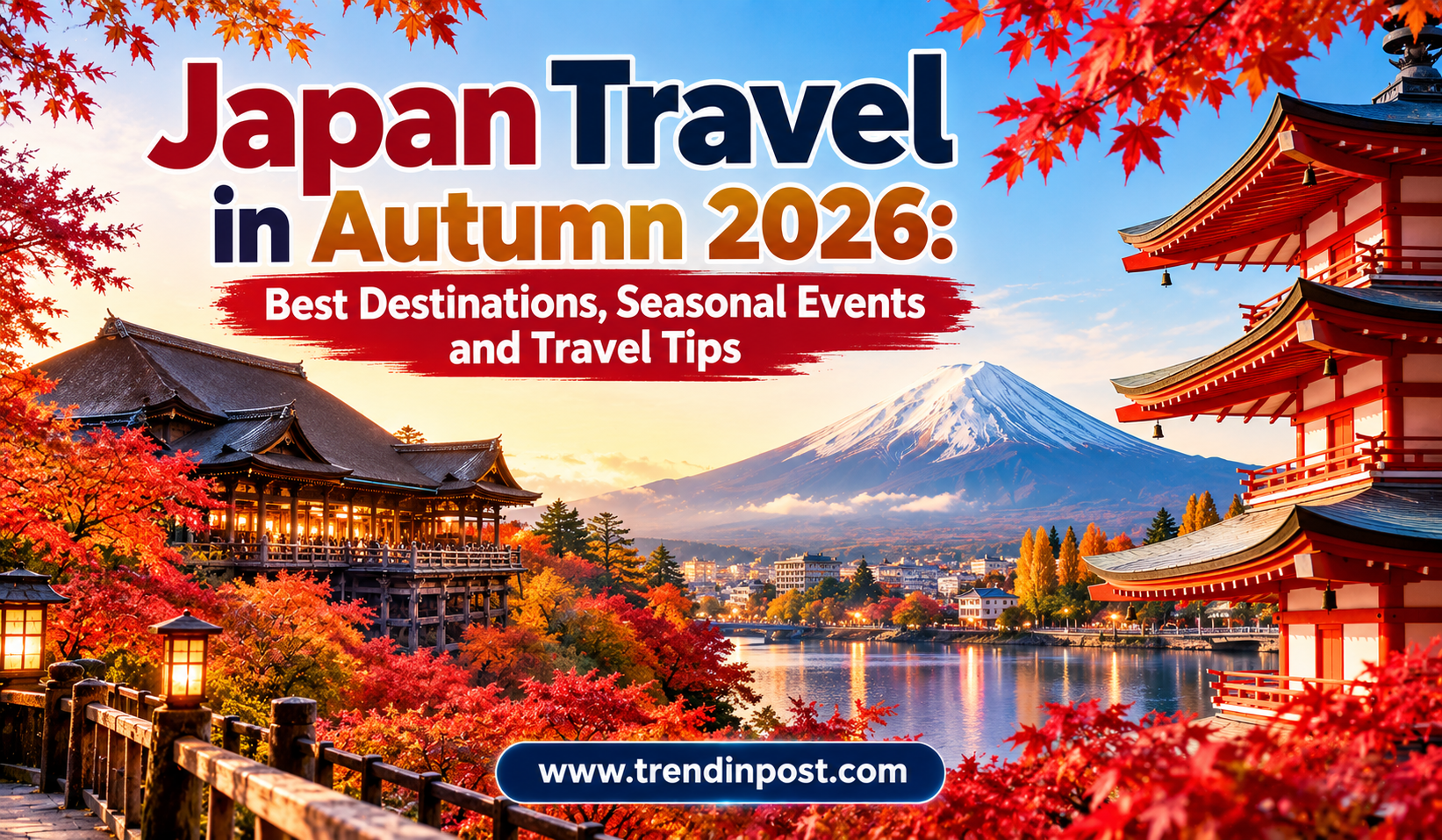
Japan Travel in Autumn 2026: Best Destinations, Seasonal Events and Travel Tips
Introduction
Japan in autumn offers a memorable combination of colorful landscapes, historic temples, lively festivals, and delicious seasonal food. As summer temperatures gradually decline, parks, mountain valleys, traditional gardens, and city streets begin to display shades of red, orange, and gold. The season also provides opportunities to explore Japan at a comfortable pace while enjoying its cultural traditions and natural beauty.
Autumn 2026 is an excellent time to plan a journey through destinations such as Tokyo, Kyoto, Osaka, Hokkaido, Nikko, and the Mount Fuji region. Each location offers a different experience, from modern city attractions and ancient shrines to peaceful lakes and mountain scenery.
The timing of autumn foliage varies across the country. Northern regions generally experience changing leaves earlier than central and southern Japan. According to Japan’s 2026 foliage forecasts, some northern destinations reach their colorful period in October, while Tokyo and Kyoto are expected to offer significant viewing opportunities in late November and early December. Weather conditions can change these estimates, so checking updated forecasts before travelling is essential.
Whether you are planning a short city break or a longer journey across the country, understanding the best destinations, seasonal events, and practical travel arrangements can help you make the most of Japan’s autumn season.
1. Tokyo: Autumn Colors and Modern City Experiences
Tokyo is an excellent starting point for an autumn holiday because it combines modern attractions with traditional gardens, historic neighborhoods, and seasonal scenery. Visitors can explore shopping districts, museums, restaurants, and cultural landmarks while finding peaceful spaces to enjoy the changing leaves.
Shinjuku Gyoen National Garden is a popular choice for seasonal walks, offering landscaped gardens and a variety of trees. Rikugien Garden is another attractive destination, particularly for visitors interested in traditional Japanese garden design and autumn foliage.
The avenue around Meiji Jingu Gaien is known for its rows of ginkgo trees, which turn golden as the season progresses. Walking beneath these trees provides a different experience from viewing red maple leaves in temple gardens.
Tokyo also offers plenty to do after sunset. Visitors can explore illuminated shopping streets, enjoy Japanese cuisine, and discover entertainment districts such as Shibuya and Shinjuku.
For autumn 2026, late November into early December is a useful period to consider for central Tokyo’s seasonal foliage, although exact dates depend on local weather. Travellers should check current conditions before planning dedicated foliage outings.
2. Kyoto: Traditional Temples and Red Maple Leaves
Kyoto is one of Japan’s most appealing destinations for autumn travel. Its historic temples, traditional streets, landscaped gardens, and wooded hills create beautiful settings for seasonal photography and cultural exploration.
Kiyomizu-dera Temple is a well-known landmark with elevated views over the surrounding landscape. During the autumn season, colorful maple trees can add striking contrast to the temple’s traditional architecture.
Arashiyama is another popular area, known for its bamboo grove, riverside scenery, and nearby temples. Visitors can spend time walking through the district, crossing Togetsukyo Bridge, and exploring smaller streets away from the busiest tourist routes.
The gardens surrounding several Kyoto temples offer opportunities to appreciate Japanese landscape design. Carefully arranged rocks, ponds, bridges, and trees create scenery that changes character throughout the year.
Kyoto’s autumn foliage often develops later than that of northern Japan. Late November and early December are useful planning windows for many central locations, but conditions differ by elevation and individual site.
Because Kyoto attracts many visitors during peak foliage periods, booking accommodation early is advisable. Visiting popular temples soon after opening can also make sightseeing more comfortable.
3. Hokkaido: Early Autumn Adventures
Hokkaido, Japan’s northernmost main island, is a strong choice for travellers who want to experience autumn before the peak season reaches many central Japanese cities.
Its mountains, lakes, forests, and national parks provide opportunities for scenic drives, hiking, photography, and outdoor exploration. The Daisetsuzan mountain region is particularly notable for early autumn colors at higher elevations.
Sapporo offers a convenient urban base, with parks, restaurants, shopping areas, and access to nearby natural attractions. Visitors can combine city sightseeing with excursions to surrounding landscapes.
The timing of foliage varies considerably across Hokkaido. Mountain areas may change color during September, while Sapporo and other lower-elevation locations often reach their autumn period later.
Autumn temperatures can become chilly, especially in mountainous areas and during the evening. Travellers should bring warm layers and check weather forecasts before hiking.
Hokkaido is particularly suitable for visitors who prefer open landscapes, quieter outdoor experiences, and regional food. Local seafood, dairy products, and seasonal produce provide additional reasons to explore beyond the main city.
4. Nikko: Waterfalls, Lakes and Mountain Scenery
Nikko, located north of Tokyo in Tochigi Prefecture, combines natural scenery with significant cultural heritage. It is a popular destination for visitors seeking a day trip or overnight excursion from the capital.
The area is known for Nikko Toshogu Shrine, an elaborate historic complex featuring detailed decorative work and impressive architecture. Visitors can combine a cultural visit with walks through nearby forested surroundings.
Lake Chuzenji and Kegon Falls are major attractions in the surrounding mountain region. In autumn, changing leaves create colorful views around the lake, hillsides, and walking routes.
Travelling beyond central Nikko provides opportunities to experience a different side of Japan, where winding mountain roads, forest trails, and peaceful waters replace busy urban streets.
The region’s higher elevations generally experience autumn colors earlier than lower areas. This makes Nikko worth considering in October, although the best viewing period varies by location and year.
Weekends can be busy during peak foliage, so starting early and allowing sufficient time for transport connections can improve the experience.
5. Mount Fuji and Lake Kawaguchi
The Mount Fuji region is a memorable destination for travellers who want to combine iconic mountain views with autumn scenery.
Lake Kawaguchi, one of the Fuji Five Lakes, provides viewpoints where visitors may see Mount Fuji reflected in the water on clear days. During autumn, surrounding trees can add red, orange, and yellow colors to the landscape.
The northern lakeside is particularly popular for seasonal photography. Visitors can also explore local museums, small cafés, walking routes, and nearby viewpoints.
The broader Fuji region offers outdoor activities and opportunities to enjoy local cuisine. Depending on the weather, travellers may experience clear mountain views in the morning followed by cloudier conditions later in the day.
Late October and November are useful periods to consider for autumn scenery around the Fuji Five Lakes, but foliage timing and mountain visibility are not guaranteed.
If Mount Fuji views are a priority, plan more than one opportunity to see the mountain. Weather can change quickly, and a flexible schedule increases the chance of enjoying a clear view.
6. Osaka: Food, Shopping and Seasonal Excursions
Osaka is an excellent destination for travellers who want to combine autumn sightseeing with food and entertainment.
Dotonbori is famous for its illuminated signs, restaurants, and lively atmosphere. Visitors can sample local favorites such as takoyaki and okonomiyaki while exploring the surrounding shopping streets.
Osaka Castle Park provides green spaces and historic scenery within the city. Its broad grounds are suitable for walking, photography, and enjoying the seasonal changes.
The city is also a convenient base for visiting nearby destinations. Kyoto and Nara can be reached by train, allowing travellers to experience several cultural attractions without changing hotels every night.
Autumn foliage in Osaka often develops later than in northern Japan, with late November and early December being useful periods to consider.
Travellers who prefer a combination of urban activities, regional cuisine, and nearby cultural excursions may find Osaka particularly convenient.
7. Kanazawa: Traditional Gardens and Historic Districts
Kanazawa offers a quieter alternative to some of Japan’s busiest tourist destinations while retaining a rich cultural atmosphere.
Kenrokuen Garden is one of the city’s best-known attractions. Its landscaped grounds feature ponds, bridges, trees, and carefully maintained garden elements that create appealing seasonal scenery.
Visitors can also explore the historic Higashi Chaya district, where traditional wooden buildings and narrow streets reflect the city’s heritage. The Nagamachi district offers another glimpse of traditional architecture through its former samurai residences and historic streets.
Kanazawa is also known for seafood, local crafts, and regional cuisine. Its markets and restaurants provide opportunities to discover seasonal ingredients and regional specialties.
Autumn is a pleasant time to explore the city on foot, although rain and cooler temperatures are possible. Comfortable shoes and a lightweight waterproof jacket are useful additions to a travel bag.
8. Seasonal Events and Autumn Experiences
Autumn in Japan is about more than colorful leaves. The season also features cultural celebrations, harvest traditions, food events, and evening illuminations.
The Nagasaki Kunchi Festival, held in early October, is a historic celebration featuring performances, processions, and cultural influences reflecting the city’s international history. Travellers interested in traditional festivals may want to consider Nagasaki as part of a wider itinerary.
Kyoto’s Jidai Matsuri, traditionally held in October, features a historical procession with participants wearing costumes representing different periods of Japanese history. It offers an opportunity to learn about the country’s past through a public cultural event.
Another popular autumn experience is nighttime foliage illumination. Selected gardens, temples, and parks open after dark or extend their visiting hours for seasonal displays. The illuminated trees and traditional architecture create a different atmosphere from daytime sightseeing.
Food is also an important part of autumn travel. Visitors may encounter seasonal mushrooms, sweet potatoes, chestnuts, persimmons, and other regional ingredients. Restaurant menus vary by location, so exploring local dishes is a useful way to experience the season.
Event dates, ticket requirements, and opening hours can change. Check official organizer information before finalizing travel plans for autumn 2026.
9. Essential Travel Tips for Japan in Autumn 2026
Planning ahead is particularly important during the autumn foliage season, when popular destinations can become crowded.
Book accommodation and transport early. Hotels in Kyoto, Tokyo, and other popular destinations can become expensive or sell out during peak periods. Reserve rooms in advance when possible, particularly if your dates are fixed.
Check foliage forecasts regularly. Autumn colors depend on temperature, elevation, and weather conditions. Review updated forecasts and local reports rather than relying entirely on historical averages.
Pack layers. Daytime temperatures may be comfortable, while mornings, evenings, and mountain areas can be cold. Bring a light jacket, warm clothing, comfortable walking shoes, and rain protection.
Plan transport carefully. Japan’s rail network is extensive, but some rural attractions require buses or additional transfers. Check schedules in advance, especially when travelling to mountain regions.
Respect local customs. Follow posted rules at temples, shrines, gardens, and cultural sites. Avoid blocking paths for photographs, respect restricted areas, and dispose of rubbish responsibly.
Allow extra time at popular attractions. Crowds can affect transport and sightseeing schedules during peak foliage. A flexible itinerary is often more enjoyable than attempting to visit too many places in one day.
10. Suggested Seven-Day Japan Autumn Itinerary
A seven-day trip can provide a useful introduction to Japan’s autumn scenery and culture.
Begin with three days in Tokyo, exploring the city’s neighborhoods, gardens, shopping areas, and seasonal attractions. Use one day for a dedicated foliage outing if the timing is suitable.
Travel to Kyoto for the next two days to explore its temples, traditional streets, and gardens. Reserve time for Arashiyama or another location that matches the current foliage conditions.
Spend the sixth day in Osaka, enjoying its food scene, shopping districts, and evening atmosphere.
On the seventh day, choose an excursion based on your interests and departure arrangements. Depending on your route, you might visit Nara, explore another part of Kyoto, or enjoy additional time in Osaka.
This itinerary works best when travellers check transport times and accommodation locations before booking. If early autumn colors are a priority, consider replacing some city days with a trip to Hokkaido or a mountain destination.
Conclusion
Japan travel in autumn 2026 offers a rewarding combination of natural beauty, cultural experiences, regional cuisine, and comfortable opportunities for sightseeing. From Tokyo’s landscaped gardens and Kyoto’s historic temples to Hokkaido’s mountain scenery and the lakes surrounding Mount Fuji, each destination offers a different way to experience the season.
The key to a successful autumn holiday is choosing destinations that match your travel dates. Northern regions generally change color earlier, while Tokyo, Kyoto, and Osaka often provide their best foliage opportunities later in the season.
Plan accommodation and transport ahead of time, monitor updated autumn forecasts, and leave room for spontaneous discoveries. With thoughtful preparation, Japan’s autumn landscapes and cultural traditions can turn a seasonal visit into a memorable travel experience.
Related Post

Thailand Trip Cost from India: Complete Guide
Planning a holiday in Thailand sounds exciting until you start adding up flights, hotels, food,…