How to Plan a One-Day Fort Trek from Pune
>> Travels & Tourism>> How to Plan a One-Day Fort Trek from Pune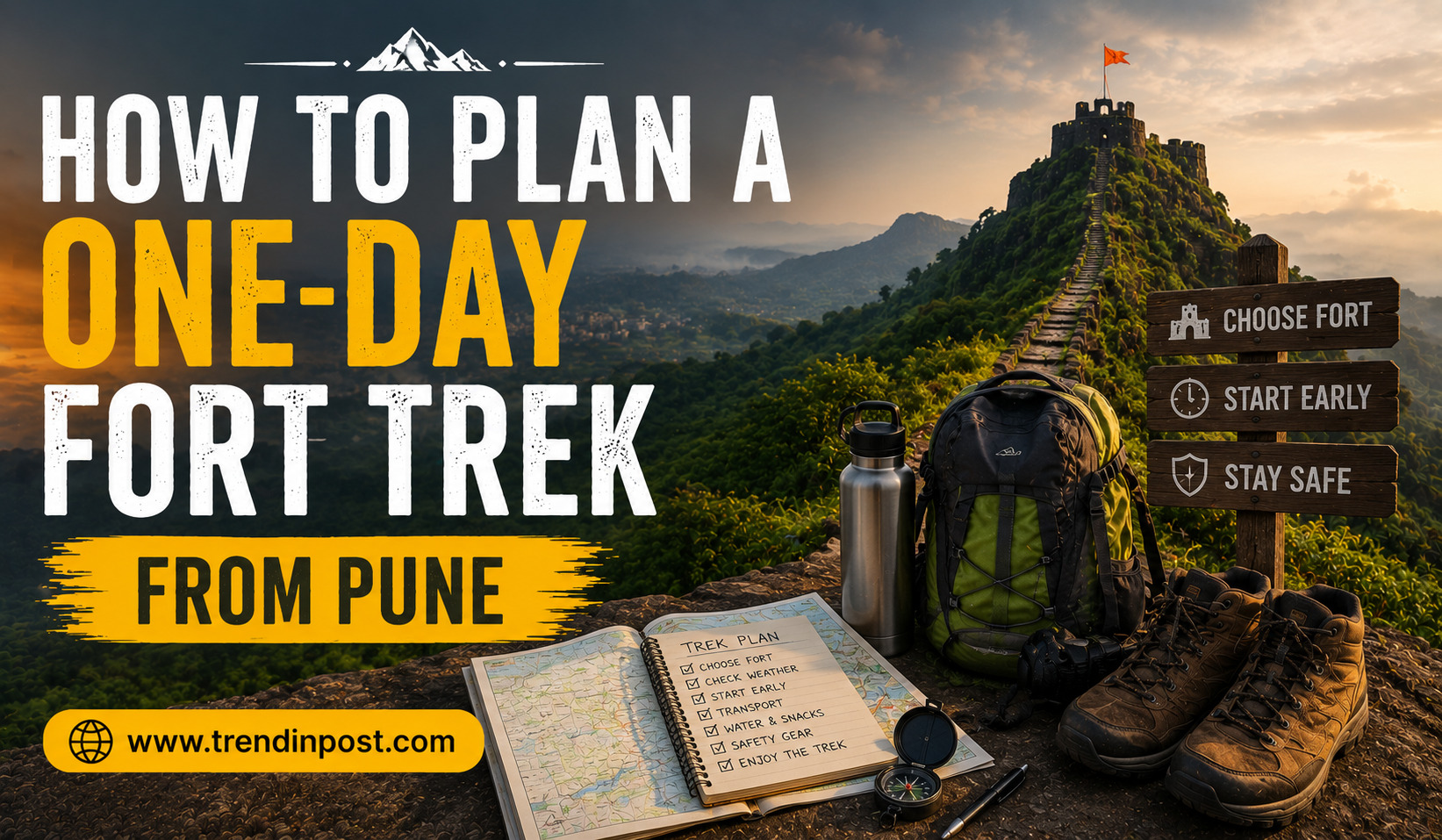
How to Plan a One-Day Fort Trek from Pune
Pune is one of the best starting points in Maharashtra for people who enjoy trekking, history and weekend travel. Surrounded by the Sahyadri ranges, the city offers easy access to numerous historic forts, many of which can be explored within a single day. From sunrise walks to challenging climbs, a one-day fort trek from Pune can offer a combination of adventure, natural beauty and history without requiring an overnight stay.
The popularity of these treks has grown rapidly, especially among college students, working professionals, photography enthusiasts and weekend travellers. However, a successful one-day trek requires more than simply selecting a fort and leaving early in the morning. Route planning, travel time, weather, trek difficulty, food, water and return timing all need to be considered.
With proper preparation, trekkers can enjoy a memorable day in the Sahyadris while avoiding unnecessary delays and safety problems. Here is a practical guide to planning a one-day fort trek from Pune.
Why Pune Is Ideal for One-Day Fort Treks
Pune’s location makes it convenient to reach several forts in the Western Ghats. Depending on the destination, travellers can choose between short hikes, moderate climbs and more demanding trekking routes.
Many forts are located close enough to Pune to allow an early-morning departure and a return by evening. This makes them particularly suitable for people who cannot spare an entire weekend for travel.
Another advantage is the variety of landscapes. Some routes pass through forests and villages, while others offer open ridges, rocky climbs and panoramic views of valleys and surrounding mountains. Historic structures at the summit add another dimension to the experience.
First Decide What Kind of Trek You Want
The first step in planning is to decide what you expect from the day. A beginner may prefer a relatively straightforward fort where the main focus is enjoying the scenery and understanding the history. Experienced trekkers may want a longer route involving steep climbs and greater elevation gain.
Do not select a fort only because it is popular on social media. A photograph rarely communicates the actual difficulty of a trail. Research the route, distance, elevation, terrain and expected duration before making a decision.
Your fitness level should also influence the choice. A trek that is manageable for an experienced hiker may be tiring for someone attempting their first mountain trail.
Choose the Right Season
The same fort can offer a completely different experience depending on the season.
The monsoon brings lush greenery, waterfalls and clouds across the Sahyadris, but trails can become muddy and slippery. Winter generally provides pleasant trekking conditions and good visibility, while summer can be physically demanding because of heat and dehydration.
For beginners, a comfortable-weather period is generally preferable. During the monsoon, trekkers should pay additional attention to rainfall forecasts, slippery rocks and water crossings.
Popular Fort Options Around Pune
Several forts can fit into a one-day plan from Pune, although the actual travel time depends on the starting point, traffic and selected route.
| Fort | General Trek Character | Suitable For |
| Sinhagad | Accessible hill trek with historic attractions | Beginners and casual trekkers |
| Rajgad | Longer and more demanding fort trek | Intermediate trekkers |
| Torna | Challenging route with steep sections | Experienced trekkers |
| Lohagad | Popular and comparatively accessible trail | Beginners and families |
| Visapur | Scenic route with rocky sections | Beginners to intermediate trekkers |
| Purandar | Historic hill fort with moderate trekking | Weekend trekkers |
| Shivneri | Historic fort with established approach routes | History and casual trekking enthusiasts |
These are broad planning categories rather than fixed difficulty ratings. Trail conditions can change according to season and route, so current local information should always be checked before starting.
Plan Your Travel Time Carefully
One-day trekking depends heavily on time management. The trek itself may take only a few hours, but travelling from Pune to the base village and returning can take a significant portion of the day.
An early start is usually useful because it provides more daylight for the trek and leaves some flexibility if the journey takes longer than expected. Weekend traffic can also affect travel times on popular routes.
Instead of planning every minute, create a realistic schedule with some buffer time. Unexpected delays, breaks, parking issues, weather changes or crowded trails can easily alter the original plan.
A practical day structure can include:
- Early morning departure from Pune
- Breakfast near the starting point or a packed breakfast
- Morning trek and fort exploration
- Lunch and rest after the climb
- Descent during daylight
- Return journey to Pune before late evening
Check the Route Before Leaving
Once the fort has been selected, study the route carefully. Identify the base village, parking area, starting trail and approximate trekking duration.
Some forts have multiple routes. One may be shorter but steeper, while another could be longer but easier. For beginners, selecting a route that matches their fitness level is more important than simply choosing the fastest option.
Offline maps can be useful when mobile connectivity becomes unreliable. It is also sensible to save important information before leaving Pune rather than depending entirely on live internet access.
Decide Between a Private Vehicle and Public Transport
The choice of transportation depends on the destination and group size. A private car or two-wheeler can provide flexibility, particularly when the fort is located away from major public transport routes.
Public transport may be economical but can require additional planning for the final connection to the base village. Trekkers should check the availability of return transport before beginning the hike.
For groups, sharing transport can reduce costs and make the journey more convenient. However, the driver should also be well rested, especially after completing the trek.
Pack Light but Carry the Essentials
A one-day trek does not require a large backpack. Carrying excessive equipment can make climbing more tiring and reduce mobility on steep sections.
The most important items are water, food, weather protection, a basic first-aid kit, a charged phone and suitable footwear. During monsoon, rain protection becomes especially important.
A lightweight backpack with comfortable straps is generally sufficient for most one-day fort treks.
Essential items to consider:
- Adequate drinking water and energy snacks
- Comfortable trekking shoes with good grip
- Rain jacket or sun protection depending on the season
- Small first-aid kit and personal medicines
- Fully charged phone and power bank
- Small waste bag for carrying rubbish back
Food and Water Planning
Hydration should be taken seriously even on relatively short routes. Water requirements depend on temperature, distance and individual needs.
Do not assume that water sources on the mountain are safe or available throughout the year. Carry sufficient drinking water for the planned route.
For food, lightweight snacks such as fruits, nuts, dry fruits, sandwiches and energy bars are practical. Heavy meals can make the climb uncomfortable, particularly during warmer weather.
If there are food stalls near the base village or fort, they can be useful, but trekkers should not depend entirely on them.
Start the Trek With Enough Daylight
Starting early is one of the simplest ways to improve a one-day trekking plan. Morning temperatures are usually more comfortable than afternoon conditions, especially during warmer months.
An early start also reduces the possibility of descending in darkness. This is particularly important on routes involving rocky or uneven terrain.
If your group includes beginners, allow additional time for breaks. Trying to maintain the pace of experienced trekkers can leave less experienced members exhausted.
Take Breaks Without Losing Track of Time
Rest breaks are necessary, but a one-day trek still requires reasonable time management. Instead of taking very long breaks, use shorter pauses at safe locations.
Drink water regularly rather than waiting until you feel extremely thirsty. Light snacks can also help maintain energy throughout the climb.
The summit should not become the only goal. If someone in the group is struggling, adjust the pace and consider whether the complete route is still realistic within the available daylight.
Explore the Fort Responsibly
Reaching the top is only part of the experience. Maharashtra’s forts are important historical sites, and visitors should treat the structures and surroundings with respect.
Avoid writing names on walls, damaging stones, climbing unstable structures or disturbing historical remains. Many forts also contain temples and culturally significant spaces where visitors should behave respectfully.
Take photographs from safe locations and avoid standing near cliff edges simply for a better view.
Keep an Eye on Weather Conditions
Weather can change rapidly in Sahyadris. Dark clouds, strong winds, thunderstorms and heavy rainfall can turn an easy trail into a dangerous route.
During monsoon, pay particular attention to slippery rocks, flowing water and reduced visibility. During summer, heat and dehydration can become the main concerns.
If conditions become unsafe, returning early is a responsible decision. Completing a trek is never more important than personal safety.
Know When to Turn Back
A well-planned trek should always include a backup decision. If someone is injured, the weather deteriorates or the trail becomes unsafe, the group should be prepared to change the plan.
Turning back does not mean the trek was unsuccessful. Mountain conditions are unpredictable, and experienced trekkers understand that adapting to conditions is part of responsible trekking.
Before leaving Pune, share the basic itinerary with a family member or friend. Let them know which fort you are visiting and your expected return time.
Respect Nature and Keep the Fort Clean
The growing popularity of weekend trekking has increased pressure on many popular fort destinations. Plastic waste, food packaging and discarded bottles can damage both the natural environment and the historic character of these places.
Carry a small waste bag and bring your rubbish back with you. Avoid single-use plastic where possible and never throw waste into valleys, streams or forest areas.
Responsible trekking also means avoiding loud music, respecting wildlife and not disturbing local communities.
Simple responsible trekking habits include:
- Carry your waste back to the base
- Avoid damaging fort structures
- Do not disturb animals or birds
- Respect local residents and religious places
- Avoid unnecessary plastic and loud music
Estimated One-Day Trek Budget
The total cost of a one-day fort trek from Pune depends largely on transportation and group size. Travelling with friends and sharing fuel or transport expenses can make the trip more affordable.
| Expense | Typical Planning Consideration |
| Transportation | Depends on fort, vehicle and group size |
| Food | Breakfast, snacks and lunch |
| Parking | Applicable at some starting points |
| Entry or local charges | Depends on destination |
| Emergency expenses | Keep a small additional amount |
It is always better to carry some extra money for unexpected transport or food requirements rather than planning the budget too tightly.
A Sample One-Day Schedule
A simple itinerary can make the trip easier to manage. For example, trekkers can leave Pune early in the morning, reach the base village, have breakfast and begin the climb.
The morning can be spent trekking and exploring the fort. After spending sufficient time at the summit, the group can begin the descent while there is still good daylight. A meal or rest break can be taken near the base before starting the return journey.
The exact timing should be adjusted according to the selected fort, route length, season and group fitness level.
Final Thoughts
Planning a one-day fort trek from Pune does not have to be complicated. The key is to select a route that matches your fitness level, understand the travel time and prepare according to the season.
Pune’s surrounding forts provide an excellent opportunity to combine outdoor adventure with Maharashtra’s rich history. Whether you choose an accessible fort for your first trek or a more challenging route after gaining experience, thoughtful preparation can make the journey safer and more enjoyable.
The best trekking plan is not necessarily the one that covers the most distance. It is the one that allows everyone in the group to enjoy the trail, explore the fort responsibly and return home safely before the day ends.
FAQs
1. Which fort is good for a one-day trek from Pune?
Sinhagad, Lohagad, Visapur, Purandar, Rajgad and several other forts can be considered for one-day trips. The best option depends on your experience, fitness level, season and preferred difficulty.
2. What time should I leave Pune for a fort trek?
An early morning departure is generally useful because it provides more daylight and can help avoid some traffic. The exact departure time should depend on the fort and its distance from Pune.
3. Can beginners plan a one-day fort trek?
Yes. Beginners should choose a route with manageable difficulty and established trails. It is also advisable to trek with experienced companions rather than attempting a challenging route alone.
4. What should I carry for a one-day fort trek?
Carry adequate water, food, suitable trekking footwear, weather protection, a small first-aid kit, personal medicines, a charged phone and a power bank.
5. Is monsoon a good time for fort trekking near Pune?
Monsoon offers beautiful scenery and lush greenery, but trails can become slippery and dangerous. Trekkers should check weather conditions and avoid routes during severe rainfall or unsafe conditions.
Related Post

Dubai 5-Day Itinerary: Places to Visit and Things to Do
Planning a Dubai trip can feel a little overwhelming at first. The city is huge,…