
Historic Forts Located Near the Coast of Maharashtra
>> Travels & Tourism>> Historic Forts Located Near the Coast of Maharashtra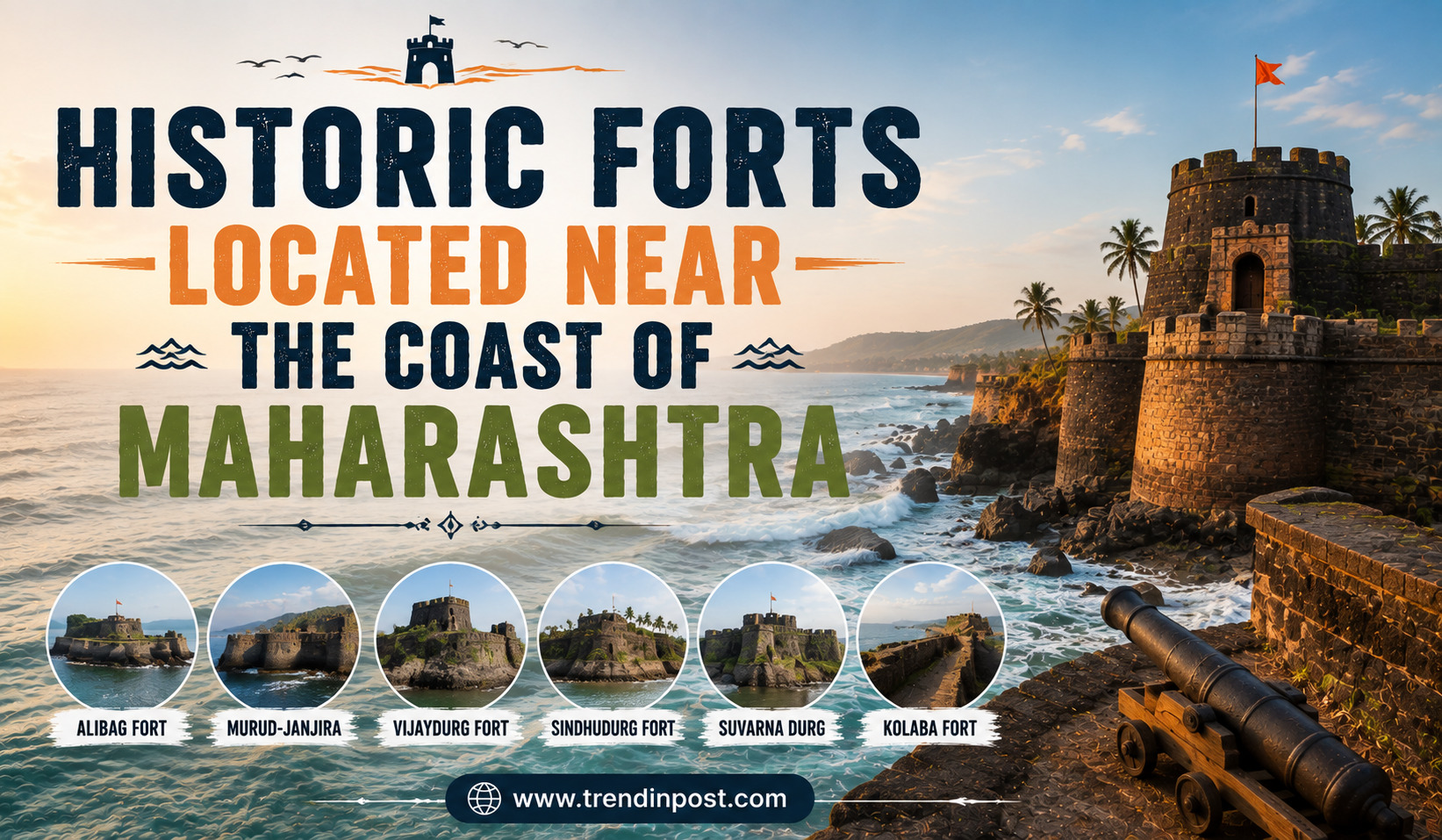
Historic Forts Located Near the Coast of Maharashtra
A Journey Through Sea, History and Heritage
Maharashtra’s coastline is known for its beaches, fishing villages, coconut groves and Arabian Sea views, but it also holds a remarkable collection of historic forts. Stretching along the Konkan coast, these structures tell stories of maritime power, regional kingdoms, trade routes, naval defence and centuries of changing political control.
Unlike many hill forts located deep in the Sahyadri ranges, coastal forts in Maharashtra were designed around the sea. Some were constructed on rocky islands, while others stand directly along the shoreline or on elevated coastal land. Their strategic locations allowed rulers to monitor ships, protect ports and control important maritime routes.
Today, these forts attract history enthusiasts, photographers, travellers and tourists looking for experiences beyond conventional beach holidays. A coastal fort trip can combine heritage exploration with beaches, local food, boat rides and village tourism.
Among Maharashtra’s most remarkable coastal forts are Sindhudurg, Vijaydurg, Murud-Janjira, Suvarnadurg, Padmadurg, Korlai and several smaller sea-facing fortifications. Each has a distinctive story and architectural character.
Why Maharashtra’s Coastal Forts Are Historically Important
The Konkan coast has played an important role in maritime trade for centuries. Its natural harbours, creeks and sheltered bays attracted traders and rulers who understood the strategic value of controlling access to the sea.
During the Maratha period, coastal defence became particularly important. Chhatrapati Shivaji Maharaj recognized the importance of naval strength and developed a network of sea forts and coastal bases. These structures helped protect the coastline and supported maritime operations.
The forts also reflected a different approach to military architecture. Instead of relying entirely on steep mountain slopes, coastal forts used thick stone walls, concealed entrances, sea-facing bastions and carefully selected locations.
Sindhudurg Fort: A Major Maritime Landmark
Sindhudurg Fort is one of the most famous coastal forts in Maharashtra. Located off the coast of Malvan in Sindhudurg district, the fort stands on an island in the Arabian Sea and is closely associated with the maritime vision of Chhatrapati Shivaji Maharaj.
The fort was constructed to strengthen coastal defence and protect the region from naval threats. Its massive walls rise directly from the sea, creating an imposing appearance when viewed from the water.
Reaching Sindhudurg generally involves a boat journey from the Malvan coast, which itself becomes part of the travel experience. Once inside, visitors can explore the fort’s walls, gateways and remaining structures while enjoying views of the Arabian Sea.
The surrounding Malvan region adds further appeal to the visit. Travellers can combine a fort tour with beaches, local seafood and water-based activities, making Sindhudurg particularly suitable for a weekend coastal itinerary.
Vijaydurg Fort: A Strategic Coastal Stronghold
Vijaydurg is another important coastal fort located in Sindhudurg district. Often described as one of the significant sea forts of the Maratha period, it occupies a strategic position along the Konkan coast.
The fort’s location provided natural protection from the sea while allowing its defenders to monitor maritime movement. Its massive walls, bastions and coastal setting demonstrate how military architecture adapted to the geography of the region.
Unlike an island fort that requires a boat ride, Vijaydurg can be approached from land, making it easier to include in a road trip along the Konkan coast.
The surrounding landscape is equally attractive. The combination of sea views, historic stonework and quiet coastal surroundings makes Vijaydurg a rewarding destination for travellers interested in both history and photography.
Murud-Janjira: The Fort That Became a Coastal Icon
Murud-Janjira is perhaps the most recognizable sea fort on Maharashtra’s Konkan coast. Located off the coast of Murud in Raigad district, the fort rises from the Arabian Sea and has long attracted visitors because of its dramatic setting.
The fort is historically associated with the Siddis of Janjira and is known for its impressive defensive walls and bastions. Its position offshore made direct attacks particularly difficult.
Visitors generally reach the fort by boat from the coastal area near Murud. The approach provides a striking view of the fort rising from the sea before visitors enter through its historic gateway.
Inside, visitors can see large bastions, water storage structures and remnants of buildings that reveal how people lived and defended the fort. The scale of the walls remains one of its most impressive features.
Murud-Janjira can easily be combined with a visit to Murud Beach and other attractions in the Raigad coastal region.
Suvarnadurg: A Fort Surrounded by the Sea
Suvarnadurg is situated off the coast near Harnai and is another example of Maharashtra’s maritime fortification network. Its island location gave it a natural defensive advantage.
The fort is associated with the Maratha naval tradition and was an important coastal stronghold. Its location allowed defenders to observe movements along the surrounding waters and protect nearby coastal areas.
The fort’s weathered walls and isolated setting give it a distinctive atmosphere. Boat access is an important part of the visit, although travellers should always check current local conditions and access arrangements before planning the trip.
The nearby Harnai coast also offers a quieter Konkan experience, making Suvarnadurg suitable for travellers who want to combine history with coastal exploration.
Padmadurg: A Lesser-Known Coastal Fort
Padmadurg is located near Murud and is sometimes overshadowed by the popularity of Murud-Janjira. However, its historical importance makes it an interesting destination for those exploring Maharashtra’s maritime heritage.
The fort was constructed in the coastal region as part of efforts to strengthen maritime defence. Its position offshore reflects the strategic thinking behind the construction of sea forts.
Padmadurg is less commonly visited than some of Maharashtra’s better-known coastal forts, which can make the surrounding experience feel quieter. Access conditions can vary, and visitors should confirm local boat availability and safety arrangements before planning a visit.
Korlai Fort: Where History Meets the Arabian Sea
Korlai Fort stands near the coastal village of Korlai in the Raigad region. The fort occupies a hill overlooking the Arabian Sea and the mouth of the Kundalika River.
The location gives Korlai an unusual combination of coastal and hill-fort characteristics. Visitors can walk through the historic site while enjoying wide views of the sea and surrounding landscape.
One of the notable features associated with Korlai is its lighthouse, which adds another layer to the visual character of the destination. The fort is also connected to the Portuguese presence along the western coast.
For travellers exploring the Alibaug and Kashid region, Korlai can provide a worthwhile historical stop away from the more crowded beach attractions.
Bankot Fort: A Coastal Fort With a Scenic Setting
Bankot Fort, located near the mouth of the Savitri River, offers another glimpse into the strategic importance of Maharashtra’s coastal waterways.
The fort is positioned on elevated ground and provides views across the river and surrounding landscape. Its location demonstrates how control over rivers and coastal access was closely connected to maritime defence.
Compared with some of the larger sea forts, Bankot can provide a quieter heritage experience. Travellers visiting the nearby beaches and villages can consider adding it to their Konkan itinerary.
Revdanda Fort: Portuguese Coastal Heritage
Revdanda Fort near Alibaug represents another chapter in Maharashtra’s coastal history. Built during the Portuguese period, the fort reflects the competition among European powers and regional kingdoms for control of important coastal locations.
The ruins extend through the surrounding settlement, giving visitors a different experience from isolated island forts. The combination of old walls, village life and the nearby coast makes Revdanda particularly interesting for heritage travellers.
The fort can be combined with visits to Revdanda Beach, Korlai and other attractions in the Alibaug region.
Arnala Fort: A Historic Island Destination Near Mumbai
Arnala Fort is located on an island near the coastal town of Arnala in the Palghar region. Its position in the Arabian Sea made it strategically important for monitoring coastal activity.
The fort is accessible by boat, and the short sea journey adds to the attraction. The large fortification area includes walls, bastions and internal structures that reflect its military importance.
Arnala is particularly convenient for travellers from Mumbai and the surrounding metropolitan region who want a coastal heritage experience without travelling deep into the Konkan.
Comparing Maharashtra’s Coastal Forts
| Fort | Region | Setting | Main Attraction |
| Sindhudurg | Malvan | Island | Maratha maritime heritage |
| Vijaydurg | Sindhudurg | Coastal peninsula | Massive fortifications |
| Murud-Janjira | Raigad | Island | Historic sea fortress |
| Suvarnadurg | Harnai | Island | Maritime defence |
| Padmadurg | Murud | Island | Coastal military history |
| Korlai | Raigad | Coastal hill | Sea views and lighthouse |
| Bankot | Ratnagiri | River mouth | Coastal landscape |
| Revdanda | Alibaug | Coastal settlement | Portuguese heritage |
| Arnala | Palghar | Island | Sea fort experience |
Best Time to Visit Coastal Forts
The best season depends on the type of experience travellers want. Winter is generally comfortable for coastal exploration, with pleasant temperatures making sightseeing easier.
The monsoon creates a spectacular landscape along the Konkan coast, but heavy rainfall can affect boat services and make coastal access more challenging. Strong winds and rough seas may also lead to temporary restrictions.
Summer can be hot, particularly around exposed fort walls. Visitors planning a summer trip should start early, carry sufficient water and avoid prolonged exposure to the afternoon sun.
Before travelling to an island fort, it is particularly important to check local boat operations and weather conditions.
What to Carry for a Coastal Fort Visit
Coastal fort exploration may involve walking over uneven stone surfaces and travelling by boat. Comfortable footwear with good grip is therefore useful.
Sun protection becomes important during warmer months because many fort areas have limited shade. A reusable water bottle, sunglasses and a cap can make the visit more comfortable.
During the monsoon, rain protection and waterproof bags for phones and other belongings should be added to the travel kit.
Useful items include:
- Comfortable footwear with good grip
- Drinking water and light snacks
- Sun protection during warmer weather
- Rain protection during the monsoon
- Waterproof pouch for electronics
- Basic first-aid supplies
Respect Coastal Heritage and Local Communities
Historic coastal forts are vulnerable to weather, erosion and increasing visitor numbers. Responsible tourism is therefore essential.
Visitors should avoid climbing unstable walls, damaging stonework or removing historical materials. Littering should also be avoided, particularly because plastic waste can easily enter coastal waters.
Travellers should follow local instructions when using boats and avoid entering restricted areas. Supporting local boat operators, food businesses and homestays can also contribute to the coastal economy.
Final Thoughts
Maharashtra’s coastal forts offer a fascinating alternative to conventional beach tourism. They combine the dramatic beauty of the Arabian Sea with centuries of military, political and maritime history.
Sindhudurg and Vijaydurg highlight the strength of Maratha coastal defence, while Murud-Janjira demonstrates the remarkable defensive potential of an island fortress. Korlai and Revdanda reveal the influence of European powers along the Konkan coast, while lesser-known destinations such as Padmadurg and Bankot offer quieter heritage experiences.
A coastal fort journey can become even more rewarding when combined with nearby beaches, villages, local cuisine and scenic drives. Whether you are a history enthusiast, photographer, trekker or weekend traveller, these forts provide an opportunity to experience Maharashtra’s past in a setting shaped by the sea.
With careful planning, respect for local conditions and responsible tourism, the historic forts along Maharashtra’s coast can continue to attract visitors while preserving their unique heritage for future generations.
FAQs
1. Which is the most famous coastal fort in Maharashtra?
Murud-Janjira and Sindhudurg are among the most famous coastal forts in Maharashtra. Both are known for their impressive sea-facing locations and historical significance.
2. Which Maharashtra coastal forts require a boat ride?
Forts such as Sindhudurg, Murud-Janjira, Suvarnadurg and Arnala generally involve boat access. Availability can depend on weather and local operating conditions.
3. What is the best season to visit Maharashtra’s coastal forts?
Winter is generally comfortable for sightseeing. Monsoon offers beautiful scenery but may bring heavy rain, rough seas and changes in boat operations.
4. Can coastal forts be visited with family?
Yes. Several coastal forts can be suitable for family trips, although visitors should consider walking distances, boat travel and weather conditions before planning.
5. What should I carry for a coastal fort trip?
Carry comfortable footwear, water, light snacks, sun protection and a phone. During the monsoon, add rain protection and waterproof pouches for electronic items.
Related Post

Italy 10-Day Itinerary for First-Time Travelers: A Complete Travel Guide
Planning your first trip to Italy can feel overwhelming because the country has so many…