How to Build a Balanced Luxury Handbag Collection
>> Fashion>> How to Build a Balanced Luxury Handbag Collection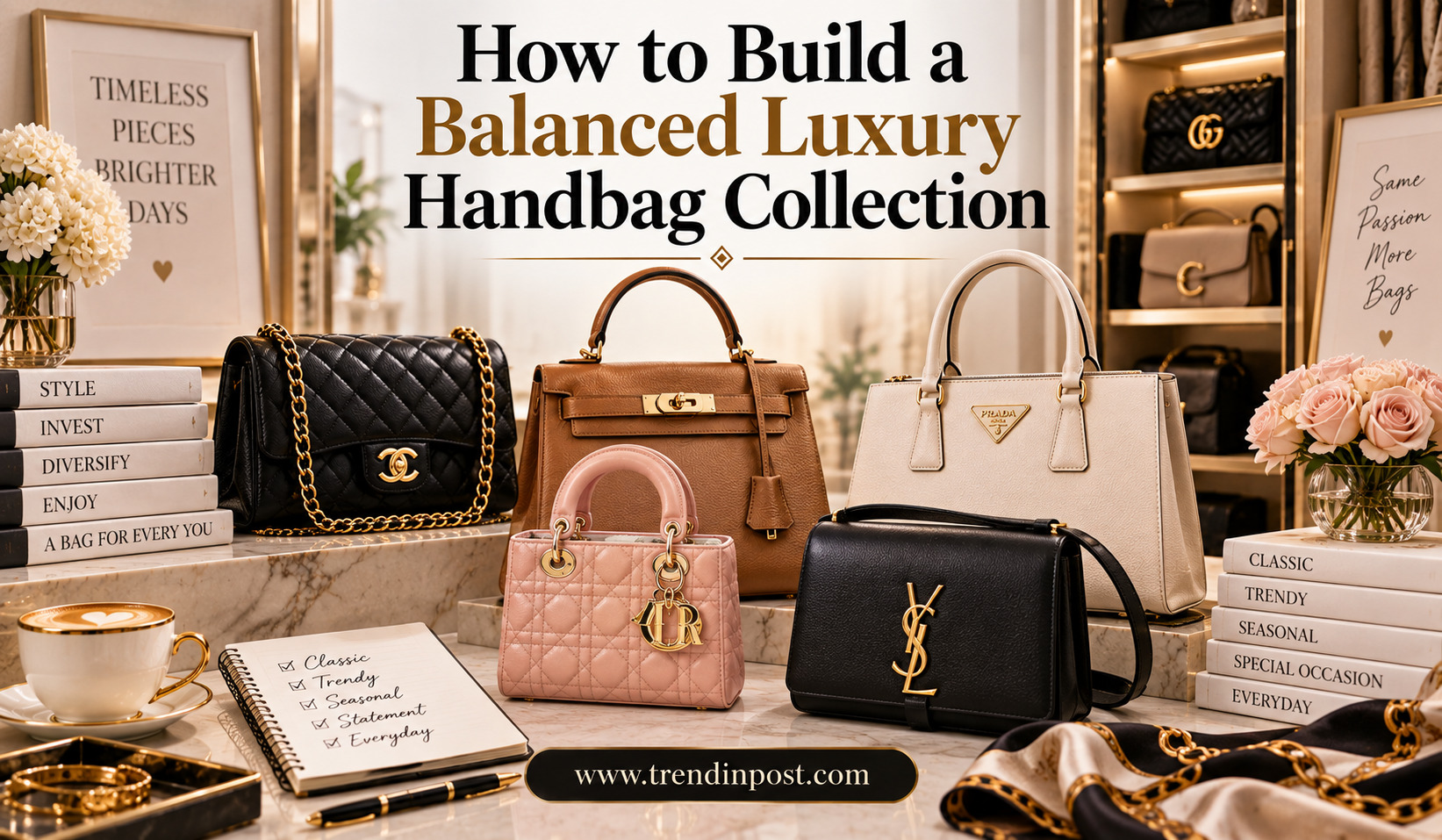
How to Build a Balanced Luxury Handbag Collection
Building a luxury handbag collection is about much more than buying several designer bags. A well-balanced collection combines personal style, practicality, different silhouettes, versatile colors, and quality materials. Instead of filling a wardrobe with similar handbags, collectors can create a more useful and enjoyable selection by choosing pieces that serve different purposes.
The luxury handbag market offers an enormous range of options, from structured top-handle designs and spacious totes to compact crossbody bags and elegant evening styles. With so much choice available, it can be tempting to purchase whatever catches attention at the moment. However, impulse buying can quickly create a collection where several handbags perform the same role while important occasions or everyday needs remain uncovered.
A balanced approach encourages buyers to think about how each new handbag fits into the collection as a whole. This does not mean following strict rules. Personal preferences should always come first, while practical planning can help make every purchase more meaningful.
Start by Understanding Your Lifestyle
The foundation of a balanced handbag collection is your lifestyle. Someone who travels frequently will have different requirements from someone who primarily attends formal events or works in a corporate environment.
Think about the situations in which you normally carry a handbag. Daily commuting may require enough space for a phone, wallet, keys, documents, and other essentials. Weekend outings may call for something smaller and lighter, while dinners and celebrations may require a compact evening bag.
A collection becomes more useful when handbags match real activities. Before buying a new piece, consider whether it solves a genuine need or simply looks attractive in isolation.
Choose Different Handbag Silhouettes
One of the easiest ways to create variety is to build a collection around different shapes and carrying styles. Owning several handbags with different structures can make the collection feel more complete without requiring a large number of pieces.
A tote can provide space for work or travel, while a crossbody offers hands-free convenience. A shoulder bag can work across casual and semi-formal occasions, and a top-handle handbag can create a more polished appearance.
The goal is not to own every possible style. Instead, choose silhouettes that reflect your lifestyle and provide functions that your existing handbags do not already cover.
| Handbag Style | Best Suited For | Typical Benefit |
| Tote | Work and travel | Spacious interior |
| Crossbody | Casual outings | Hands-free carrying |
| Shoulder bag | Everyday use | Versatile styling |
| Top-handle | Formal and professional looks | Structured appearance |
| Clutch | Evening occasions | Compact and elegant |
| Mini bag | Light outings | Small and fashionable |
This type of variety prevents a collection from becoming repetitive.
Build a Strong Neutral Foundation
Color plays an important role in creating a balanced collection. Neutral shades are often a practical starting point because they can coordinate with many outfits and remain useful across seasons.
Black, brown, beige, cream, taupe, navy, and similar tones can provide a foundation for everyday dressing. A neutral handbag can often move between different occasions without looking out of place.
However, a collection made entirely of neutral colors can feel predictable. Once the basic foundation is established, adding one or two stronger colors can introduce personality.
Red, green, blue, pink, metallic finishes, or seasonal shades can become statement pieces. The best color strategy is one that reflects the owner’s wardrobe rather than following a fixed formula.
Consider Size Carefully
Size is another important part of collection planning. A handbag that looks attractive may not be useful if it cannot hold the items you normally carry.
Oversized handbags can be excellent for work, shopping, or travel, but they may feel unnecessary during a dinner or evening event. Smaller handbags offer convenience for occasions when only a few essentials are required.
A balanced collection can therefore include different capacities. The exact combination depends on individual habits, but having at least one spacious option and one compact option can create useful flexibility.
Buyers should also consider the weight of the handbag itself. Heavy leather, large hardware, and substantial chains can make a bag uncomfortable when carried for several hours.
Mix Classic and Contemporary Designs
A strong collection does not have to consist entirely of timeless handbags. Contemporary designs can provide freshness and allow collectors to participate in current fashion trends.
Classic silhouettes can act as the foundation because they tend to remain wearable even when trends change. Contemporary or seasonal pieces can then introduce new shapes, colors, textures, or design details.
This combination can make a collection feel current without becoming dependent on short-lived trends.
When considering a fashionable handbag, ask whether you would still enjoy carrying it if it became less visible on social media. If the answer is yes, the piece is more likely to have lasting personal appeal.
Explore Different Materials
Material variety can also make a handbag collection more interesting. Leather remains one of the most popular luxury materials, but different leather finishes can produce completely different results.
Smooth leather often creates an elegant appearance, while grained leather can provide additional texture and a more casual character. Suede offers a softer visual effect, although it can require greater care.
Canvas can be useful for lightweight everyday designs, particularly when combined with leather trims. Exotic materials can provide another level of visual distinction, although they often come with higher prices and specialized maintenance requirements.
There is no need to collect every material. Instead, select materials based on how they fit your lifestyle and the aesthetic you want from the collection.
Balance Everyday Bags With Special-Occasion Pieces
One common mistake among new collectors is focusing heavily on statement handbags while overlooking practical everyday designs. A balanced collection should ideally reflect how often different types of bags are actually needed.
An everyday handbag may not attract as much attention as a limited-edition piece, but it can become the most frequently used item in the collection. A reliable work bag, versatile shoulder bag, and practical crossbody can provide far more real-world value than several highly decorative pieces.
At the same time, special-occasion handbags have their place. A beautifully crafted clutch or compact evening bag can complete formal outfits and provide a sense of variety.
The best collections combine frequent-use pieces with occasional statement accessories.
Pay Attention to Hardware and Construction
Luxury is often found in the details. Hardware, stitching, lining, handles, straps, closures, and edge finishing can significantly influence the quality and longevity of a handbag.
Before purchasing, examine how securely the hardware is attached and whether moving components operate smoothly. Stitching should appear consistent, while handles and straps should feel appropriate for the bag’s weight and intended use.
Construction becomes particularly important when purchasing expensive or pre-owned handbags. A beautiful exterior cannot compensate for major structural problems.
Three areas deserve particular attention before adding a handbag to your collection:
- Material quality and overall condition
- Hardware, stitching, closures, and structural construction
- Comfort, size, and practicality for the intended use
These factors can help distinguish a handbag that looks appealing from one that will remain enjoyable to own.
Think About Cost Per Wear
The price of a luxury handbag is only one part of its value. How frequently you use it can also influence whether the purchase feels worthwhile.
A moderately priced handbag carried several times a week may provide more practical value than a much more expensive piece that is used only once or twice a year.
This does not mean every purchase needs to be justified financially. Luxury can be about craftsmanship, design, collecting, and personal enjoyment. However, considering potential usage can prevent a wardrobe from becoming filled with expensive pieces that rarely leave storage.
Before purchasing, imagine the occasions when you would realistically carry the handbag. If several situations immediately come to mind, it may have a stronger role within your collection.
Consider Resale Value Without Making It the Main Goal
The pre-owned luxury handbag market has made resale value an important consideration for many buyers. Some brands and models retain value particularly well, while others may experience larger declines after purchase.
Classic designs, strong brand recognition, excellent condition, limited editions, and complete accessories can sometimes support stronger resale demand.
However, resale value should not become the only reason to buy a handbag. Fashion trends and consumer preferences can change, and no luxury handbag should be treated as a guaranteed investment.
A better strategy is to choose a handbag you genuinely like and then consider resale performance as an additional factor.
Buy Slowly and Avoid Duplication
A balanced collection usually develops over time. There is no need to purchase several handbags immediately.
Before each purchase, compare the new design with the handbags you already own. If two bags have almost identical sizes, colors, shapes, and functions, consider whether the new one genuinely adds something.
Keeping a simple record of your collection can help. Note the brand, model, material, color, size, and primary purpose of each handbag. This makes gaps and duplicates easier to identify.
Waiting before purchasing can also reduce impulse buying. If you continue thinking about a handbag after several days or weeks, it may be more likely to become a lasting favorite.
Take Care of Your Collection
Even the highest-quality handbag requires proper care. Storage, handling, and maintenance can have a major impact on how a collection looks over the years.
Avoid exposing handbags unnecessarily to direct sunlight, excessive moisture, heat, or rough surfaces. Do not overfill structured designs because excessive weight can change their shape or place stress on handles.
Different materials require different cleaning methods, so manufacturer recommendations should always be followed. Professional care can be appropriate for delicate leather, hardware damage, significant stains, or structural repairs.
Good maintenance also protects potential resale value by helping handbags remain in better condition.
A Simple Collection-Building Strategy
For someone starting from scratch, a gradual approach can make the process easier. Begin with a versatile everyday handbag, followed by a design that offers a different size or carrying style. A special-occasion piece can come later, followed by a statement color or distinctive material if desired.
This strategy creates variety without encouraging unnecessary purchases. As your personal style develops, the collection can evolve with it.
The most important principle is to purchase handbags that complement one another rather than competing for the same role.
Final Thoughts
Building a balanced luxury handbag collection is ultimately a process of thoughtful selection rather than constant shopping. The strongest collections combine practicality with personal expression, allowing each handbag to serve a clear purpose while contributing something unique to the overall wardrobe.
Start with your lifestyle, establish a versatile foundation, and gradually introduce different silhouettes, colors, materials, and occasions. Classic pieces can provide stability, while contemporary and statement designs can keep the collection interesting.
Most importantly, do not measure the success of a collection by its size or price. A smaller group of carefully chosen handbags that you genuinely enjoy using can be far more satisfying than a large collection filled with unnecessary duplicates. With patience, research, and proper care, a luxury handbag collection can become a lasting expression of personal style.
FAQs
How many handbags should a balanced collection have?
There is no fixed number. A balanced collection can contain three handbags or several dozen, depending on lifestyle, budget, and collecting interests. Variety and usefulness matter more than quantity.
What handbag should I buy first?
A versatile everyday handbag is usually a practical starting point. Choose a size, color, and silhouette that works with much of your existing wardrobe.
Should every luxury handbag be a different color?
Not necessarily. Neutral colors can be extremely useful, while a few statement shades can provide variety. The ideal combination depends on your wardrobe and personal preferences.
Are classic handbags better than trendy designs?
Classic handbags can provide long-term versatility, while trendy pieces can add personality and contemporary style. A combination of both can create a more flexible collection.
Is buying pre-owned handbags a good way to build a collection?
Yes, provided authenticity and condition are carefully checked. The pre-owned market can offer access to discontinued, vintage, and limited-edition designs that may not be available through current retail collections.
Related Post
Why Some Luxury Handbags Appreciate Over Time
Luxury handbags have increasingly become more than fashion accessories. For collectors and fashion enthusiasts, certain…