
Vastu Friendly Plants for Indian Home Interiors
>> LifeStyle>> Vastu Friendly Plants for Indian Home Interiors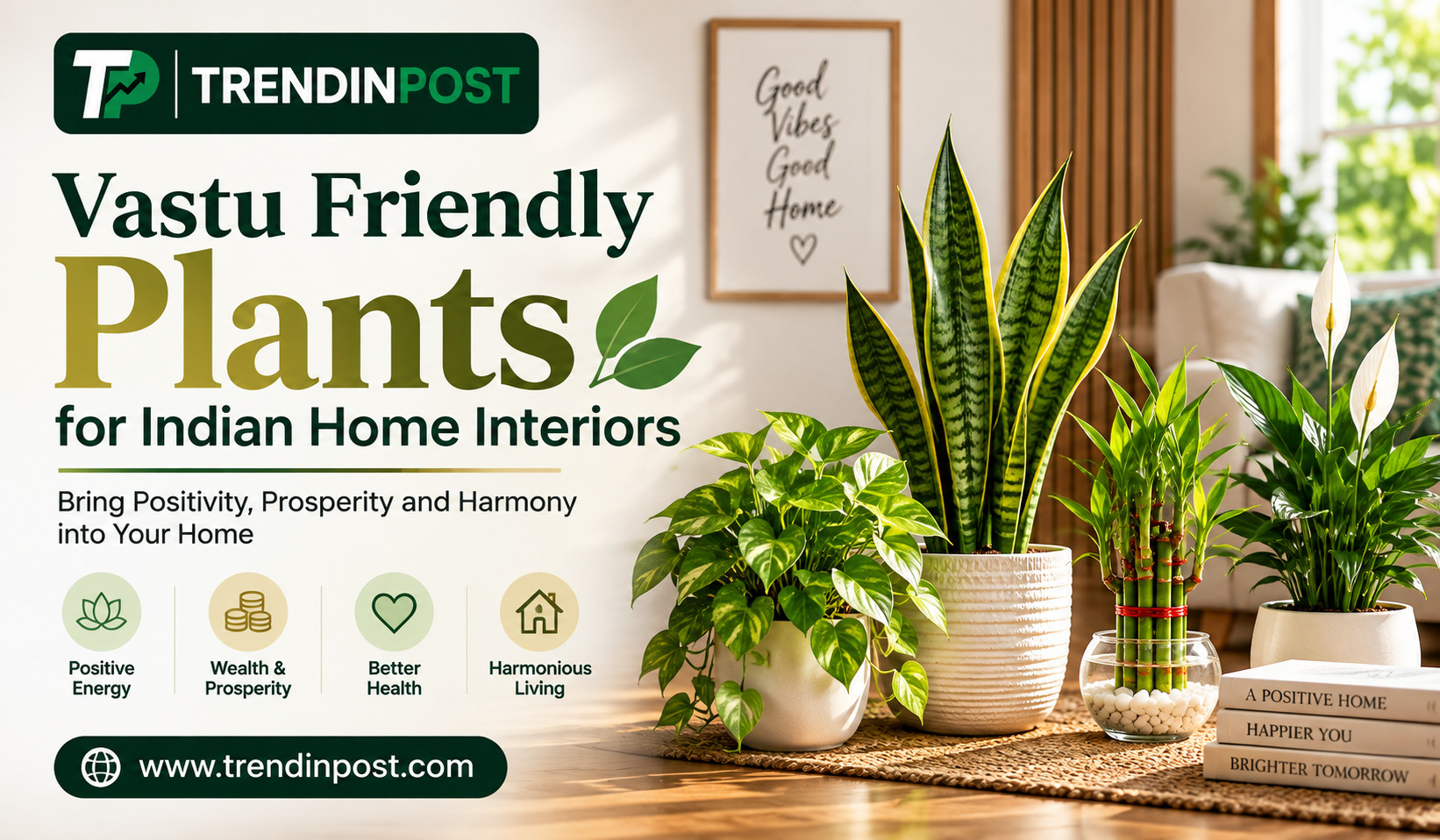
Vastu Friendly Plants for Indian Home Interiors
Plants can completely change the feel of your home. A small green plant on a shelf can make a room feel fresher, while a larger indoor plant can add warmth to an otherwise plain corner. But if you also follow Vastu principles, you may want to think beyond appearance when choosing plants for your interiors.
Vastu Friendly Plants are often selected according to traditional beliefs about direction, placement, growth and the overall energy of a space. Whether you follow Vastu strictly or simply enjoy its ideas, choosing the right plants can help you create an interior that feels balanced, welcoming and connected to nature.
You do not need a large garden or balcony to bring greenery into your home. With the right plant and placement, even a compact apartment can have a refreshing green touch.
Why Plants Matter in Indian Home Interiors
In Indian homes, plants have traditionally been associated with freshness, prosperity and a connection with nature. Today, indoor plants have also become an important part of modern interior design.
When you add greenery to your living room, bedroom, entrance or work area, you can create a softer and more relaxing atmosphere. Plants can also help break the monotony of furniture, walls and neutral colours.
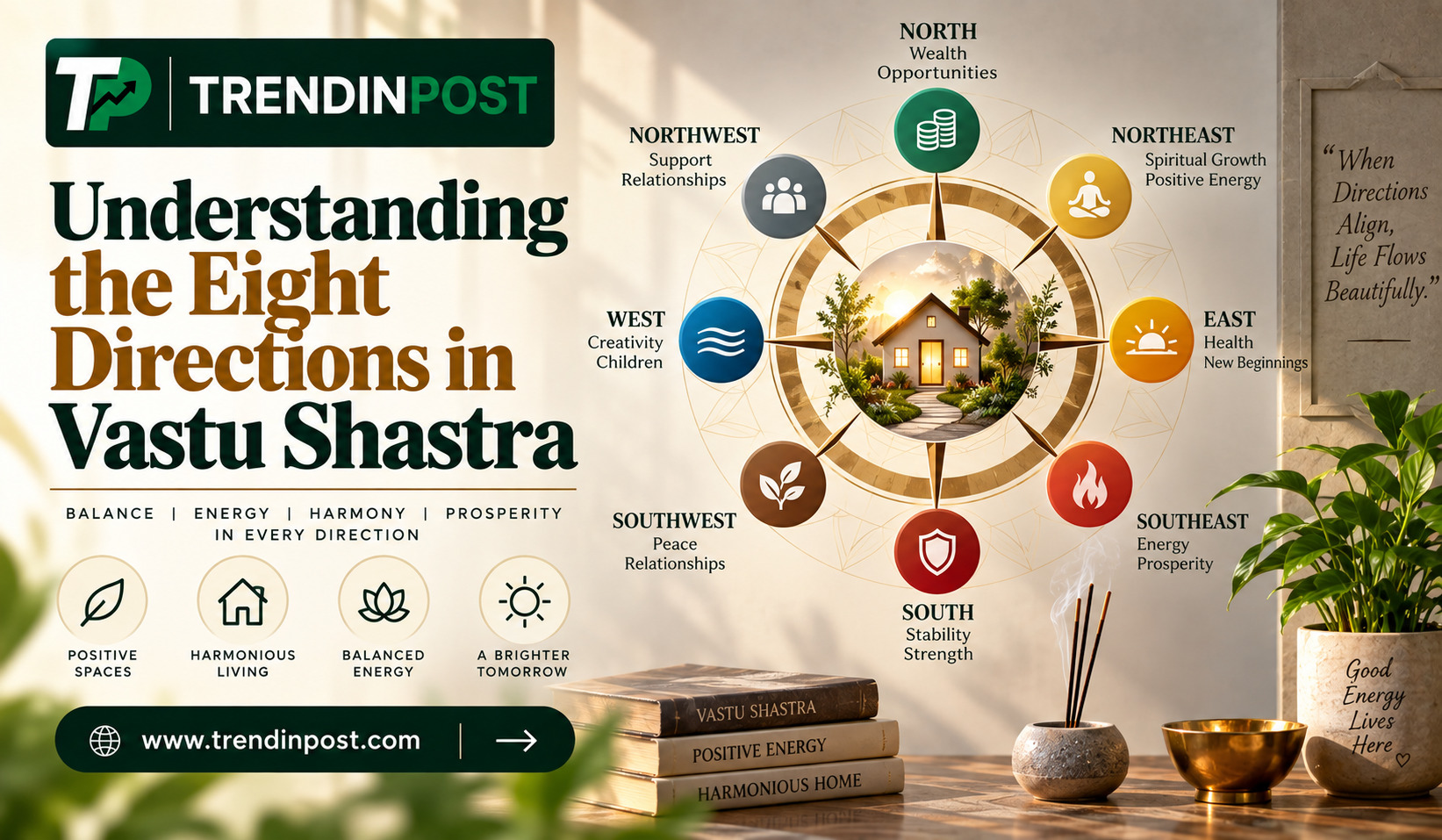
From a Vastu perspective, however, placement is just as important as the plant itself. Certain directions are traditionally considered more suitable for particular plants, while thorny, dying or unhealthy plants are generally avoided indoors.
The good news is that you can combine Vastu-inspired choices with your personal interior style.
1. Tulsi Plant for a Traditional Vastu Touch
Tulsi, or holy basil, is one of the most popular plants in Indian households. It has a strong cultural and traditional connection with Indian homes and is often associated with purity and positivity.
Traditionally, Tulsi is considered suitable for the north, northeast or east areas of a home. A bright location where the plant can receive adequate sunlight is particularly important.
If you have a balcony, entrance area or sunny window, you can create a simple Tulsi corner using an attractive planter. A traditional ceramic pot can give the space a classic Indian appearance, while a simple white planter can work well with modern interiors.
Remember that Tulsi needs proper sunlight and regular care. A healthy plant is far more suitable than keeping a neglected one simply because it is considered Vastu-friendly.
2. Money Plant for a Fresh and Decorative Look
The money plant is one of the easiest choices when you want greenery without spending too much time on maintenance. Its heart-shaped leaves and trailing growth make it particularly attractive for shelves, balconies and living-room corners.
Money plants are traditionally associated with prosperity and abundance. They are commonly placed in areas such as the southeast, which is associated with the fire element in Vastu traditions.
You can grow a money plant in soil or water, depending on the variety and your preference. A glass vase can create a contemporary look, while a hanging planter can add greenery without taking up floor space.
Avoid allowing the vines to become dry or unhealthy. Regular pruning can keep the plant looking neat and prevent it from overwhelming your interior.
3. Bamboo for a Minimalist Interior
Lucky bamboo is another popular option if you want a plant that fits naturally into modern interiors. Its simple vertical stems work especially well with minimalist furniture and neutral colour palettes.
In Vastu and related traditional practices, bamboo is often connected with growth, good fortune and positive energy.
You can place a small bamboo arrangement on a study table, console, sideboard or office desk. A simple glass container filled with water and decorative stones can make the arrangement look elegant.
The key is moderation. Instead of filling every shelf with plants, use one well-positioned bamboo arrangement as an intentional decorative feature.
4. Areca Palm for Living Rooms
If you want a larger plant that instantly makes your living room feel more lively, consider an Areca Palm.
Its long, arching leaves give it a tropical appearance and work beautifully in spacious interiors. You can place it near a window, beside a sofa or in an empty corner that needs some visual interest.
Areca Palm is also commonly included in lists of Vastu-friendly indoor plants because greenery is traditionally believed to encourage a positive and harmonious atmosphere.
For your décor, choose a planter that complements the room. A woven basket-style planter can create a warm, natural appearance, while a ceramic pot can give you a cleaner contemporary look.
5. Jade Plant for Prosperity-Inspired Décor
Jade plants are compact, attractive and relatively easy to maintain. Their thick, rounded leaves make them visually different from plants such as money plants or palms.
In Vastu-inspired home décor, the jade plant is often associated with wealth, prosperity and good fortune. It is commonly recommended for areas such as the southeast or near an entrance, depending on the Vastu approach you follow.
Because jade plants generally prefer bright light, you should choose their location based on actual growing requirements as well as Vastu preferences.
A small jade plant can look particularly attractive on an entryway console or living-room side table.
6. Peace Lily for a Calm Indoor Atmosphere
The Peace Lily is a popular indoor plant because of its dark green foliage and elegant white flowers. It can add a peaceful visual element to bedrooms, living rooms and workspaces.
If your interior design uses white, beige, grey or earthy colours, the white flowers can blend beautifully with the overall palette.
From a practical perspective, you should place the plant somewhere with suitable indirect light and keep its watering requirements in mind. Like any indoor plant, it needs regular attention to remain healthy.
If you have pets, take care to check whether a particular plant is suitable for your household before bringing it indoors.
7. Snake Plant for Modern Homes
The Snake Plant is an excellent choice when you want a low-maintenance plant with a strong architectural appearance.
Its upright leaves can add height to your décor without requiring much floor space. You can use it beside a TV unit, near a doorway, in a bedroom corner or alongside a bookshelf.
Vastu practices vary regarding the placement of Snake Plants, so you may find different recommendations depending on the source or tradition you follow. Instead of relying on a single rigid rule, focus on keeping the plant healthy and positioning it where it receives appropriate light.
Its structured appearance makes it especially suitable for contemporary Indian apartments.
8. Bamboo Palm for a Green Corner
Bamboo Palm can give your home a soft, tropical feel. Its delicate leaves make it less visually heavy than many large-leaf plants.
You can use it to fill an empty living-room corner or create a natural-looking division between different areas of an open-plan home.
If you are using Vastu principles, consider the direction recommended by the particular Vastu tradition you follow. At the same time, make sure the location provides sufficient light and airflow.
A healthy Bamboo Palm can become an attractive focal point without making your room feel crowded.
Where Should You Place Vastu Friendly Plants?
Choosing the plant is only one part of creating a Vastu-inspired interior. Placement can make a significant difference to the overall appearance of your room.
Entrance
Your entrance creates the first impression of your home. A healthy plant near the entrance can make the area feel welcoming.
Avoid blocking the doorway with oversized pots. Instead, choose a compact plant or a pair of balanced planters if the space allows.
Living Room
The living room is one of the easiest places to introduce greenery. You can use a large Areca Palm in an empty corner, a money plant on a shelf or a small jade plant on a console.
Try to avoid overcrowding. Two or three thoughtfully selected plants can look much better than filling every available surface.
Bedroom
For bedrooms, choose plants that suit the room’s light and ventilation conditions. A small, visually calming plant can complement your décor without making the space feel busy.
Keep plants well maintained and remove dead leaves regularly.
Study or Home Office
A small plant can add a natural element to your work area. Lucky bamboo, jade or another compact indoor plant can sit comfortably on a desk or nearby shelf.
If you work long hours, greenery can also make the workspace feel less sterile and more comfortable.
Plants You Should Avoid Keeping Indoors
Vastu recommendations commonly suggest avoiding dead, dying, dried or neglected plants inside the home. Even apart from Vastu beliefs, this makes sense from an interior-design perspective.
A dry or unhealthy plant can make a room look untidy. If a plant is struggling despite proper care, consider moving it to a more suitable location or replacing it.
Thorny plants are also traditionally avoided in many Vastu approaches, particularly in areas where you want a calm and welcoming atmosphere.
Rather than treating every plant as universally good or bad, consider your home’s conditions, the plant’s care requirements and the Vastu tradition you personally follow.
How to Make Vastu-Friendly Plants Look Stylish
You do not have to choose between Vastu and modern interior design. In fact, plants can make your décor look more sophisticated when you use them thoughtfully.
Choose planters that match your furniture and wall colours. Terracotta pots work beautifully with earthy Indian interiors, while ceramic and concrete planters can suit contemporary spaces.
You can also vary plant heights. Place a tall plant on the floor, a medium plant on a stand and a smaller plant on a shelf. This creates visual layering without making the room appear cluttered.
Natural materials such as jute, cane, bamboo and wood can further enhance the connection between greenery and your interior décor.
Final Thoughts
Bringing Vastu Friendly Plants into your home can be a simple way to combine traditional Indian beliefs with modern interior styling. Tulsi, money plant, lucky bamboo, jade, Areca Palm and other suitable indoor plants can add colour, texture and natural character to your rooms.
However, the most important thing is not simply where you place a plant according to a Vastu chart. You also need to consider sunlight, watering, ventilation, available space and maintenance.
A healthy plant placed thoughtfully will always make your home feel more inviting than an unhealthy plant kept in an unsuitable location.
So, instead of turning your home into a jungle, start small. Choose a few plants that suit your lifestyle, pair them with attractive planters and place them thoughtfully around your interiors. With the right balance, your greenery can become both a beautiful décor element and a meaningful part of your home.
Related Post

How to Create a Cozy Balcony With Plants
A balcony can be much more than an outdoor extension of your home. With the…