
Understanding Hardware Quality in Luxury Handbags
>> Fashion>> Understanding Hardware Quality in Luxury Handbags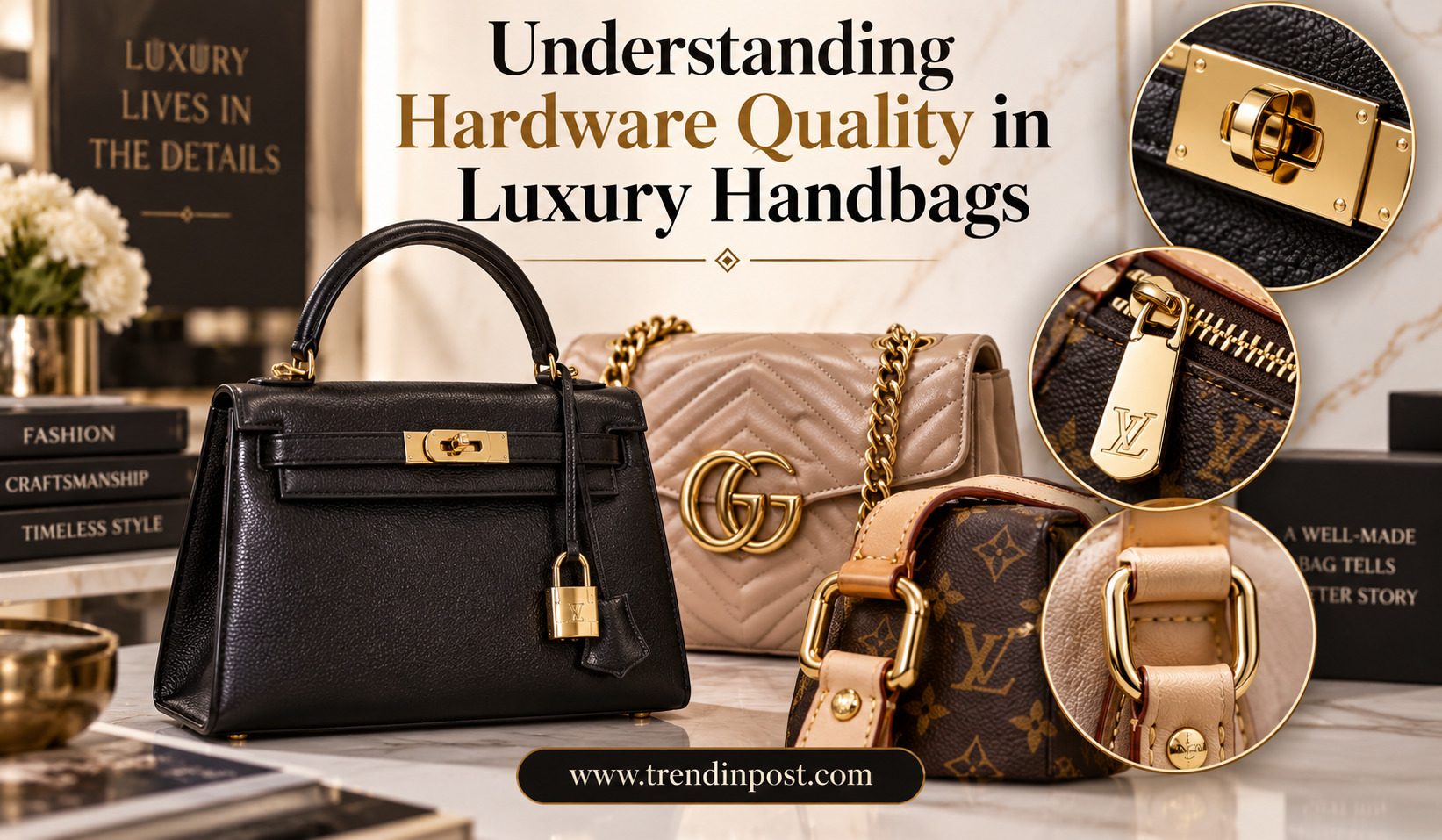
Understanding Hardware Quality in Luxury Handbags
When people evaluate a luxury handbag, the first things they often notice are the leather, silhouette, logo, and overall design. However, one of the most important details is often much smaller: the hardware. Zippers, clasps, buckles, chains, rings, feet, locks, and other metal components can have a major influence on how a handbag looks, feels, functions, and ages.
High-quality hardware is not simply about making a handbag appear expensive. It contributes to durability, usability, and the overall finishing of the product. Luxury brands often spend considerable time selecting and developing hardware that complements their designs while meeting demanding construction standards.
For buyers and collectors, understanding hardware quality can make it easier to distinguish between an ordinary accessory and a carefully constructed luxury handbag. It can also help when evaluating pre-owned bags, where scratches, discoloration, loose components, and damaged mechanisms may affect condition and resale appeal.
What Is Handbag Hardware?
Handbag hardware refers to the metal or metal-finished components attached to a bag. Although hardware can be relatively small compared with the body of the handbag, it performs several important functions.
A handbag may contain hardware on its handles, straps, closures, corners, base, and interior. Some pieces are primarily decorative, while others are essential to the bag’s operation.
Common examples include:
- Zippers and zipper pulls
- Buckles, clasps, and turn-lock closures
- D-rings, O-rings, and strap attachments
- Chain handles and decorative metal elements
The material and finishing technique used for these components can vary considerably. Brass, stainless steel, aluminum, and various metal alloys may be used, while some luxury designs feature plated or specially treated finishes.
Why Hardware Quality Matters
Hardware has to withstand repeated use. Every time a wearer opens a zipper, adjusts a strap, attaches a shoulder chain, or closes a clasp, the metal component experiences movement and friction.
Poorly made hardware may become loose, scratch easily, lose its finish, or develop mechanical problems. High-quality hardware is designed to perform consistently over a longer period.
There is also an aesthetic reason for investing in better hardware. A smooth, evenly finished clasp can make an entire handbag look more refined. By contrast, uneven plating, rough edges, or poorly aligned components can make even expensive leather appear less sophisticated.
Luxury handbag manufacturers therefore treat hardware as part of the complete design rather than an afterthought.
The Importance of Metal Composition
The underlying metal can influence the strength, weight, and longevity of handbag hardware. Different materials offer different characteristics, and brands may select them according to the intended design.
Brass, for example, has traditionally been used in many accessories because of its strength and ability to accept different finishes. Stainless steel can offer corrosion resistance and durability, while lighter metals may be useful when designers want to reduce the weight of a handbag.
However, identifying quality solely by the type of metal can be misleading. The manufacturing process, thickness, finishing, coating, and construction are also important.
A premium handbag can use plated hardware and still have excellent quality if the plating is applied properly and the underlying component is well manufactured. Similarly, a particular metal name does not automatically guarantee superior performance.
Understanding Hardware Finishes
The finish applied to hardware determines much of its visual character. Luxury handbags can feature polished gold tones, brushed metal, silver finishes, palladium-style appearances, antique effects, black finishes, or other treatments.
A good finish should appear consistent across matching components. The color should generally be even, while edges should be clean and free from obvious manufacturing defects.
Over time, hardware can naturally develop minor signs of use. Small scratches and changes in appearance are not necessarily evidence of poor quality. A handbag that has been carried regularly will inevitably show some wear.
What matters is how the hardware ages. Quality components should generally maintain their structural function even when superficial marks develop.
Zippers Reveal a Lot About Construction
Zippers are among the most frequently used hardware components on a handbag, making them an important indicator of practical quality.
A well-made zipper should move smoothly without excessive resistance. The pull should feel secure, and the zipper teeth should remain properly aligned during use.
The sound and movement of a zipper can also provide clues. A rough or inconsistent zipper may indicate manufacturing problems, although it can sometimes result from dirt, leather interference, or lack of maintenance.
In luxury handbags, zipper pulls may also be designed specifically for the brand or model. Their shape, engraving, weight, and finishing can contribute to the overall design language of the bag.
Clasps, Locks and Closures
Closures are another major area where hardware quality becomes noticeable. A turn-lock or clasp needs to be attractive while also functioning reliably.
The mechanism should close securely without requiring excessive force. A loose closure can become frustrating during everyday use and may also create a risk of the handbag opening unexpectedly.
Luxury bags often use distinctive closure systems that have become part of their identity. These mechanisms may involve multiple small components, requiring careful assembly and alignment.
For collectors, the condition of the closure is particularly important. Scratched or heavily worn hardware can affect the visual presentation of a handbag, especially when the closure is positioned prominently on the front.
Hardware Weight and Balance
Weight is another interesting aspect of hardware quality. Metal components can contribute significantly to how a handbag feels when held.
Heavy hardware can create a substantial, premium sensation, but heavier does not always mean better. Excessive weight can make a handbag uncomfortable to carry, particularly when combined with a large chain or multiple decorative components.
Designers therefore have to balance appearance, strength, and usability. A well-engineered handbag uses enough material to provide durability without making the accessory unnecessarily heavy.
This balance is especially noticeable in handbags with chain straps. The links need to be strong enough for repeated movement while remaining comfortable against the hand or shoulder.
How Hardware Affects Luxury Handbag Value
Hardware can influence the perceived value of a handbag in several ways. First, it contributes to the original quality of the product. Second, its condition becomes important when the bag enters the pre-owned market.
Collectors often examine hardware for scratches, discoloration, missing components, loose rings, damaged clasps, and other signs of wear.
| Hardware Feature | What Buyers Should Look For |
| Zipper | Smooth movement and secure attachment |
| Clasp | Firm closing action and proper alignment |
| Buckle | Strong construction and clean finishing |
| Chain | Consistent links without excessive looseness |
| Metal finish | Even appearance with appropriate aging |
| Feet | Secure attachment and limited structural damage |
A handbag with excellent leather but severely damaged hardware may require expensive restoration. Therefore, hardware should be evaluated alongside the condition of the leather, lining, stitching, and overall structure.
Hardware and Authenticity Checks
Hardware can also play a role in authentication, particularly when evaluating a pre-owned luxury handbag. Brands often have specific patterns in their hardware, including engraving styles, shapes, proportions, finishes, and mechanisms.
However, hardware should never be used as the only authentication method. Counterfeit manufacturers can reproduce individual details, and genuine handbags can have hardware variations depending on production year, collection, region, or model.
A proper authentication process should consider the complete handbag, including construction, materials, stitching, serial or identification details where applicable, branding, and hardware.
For expensive purchases, professional authentication is generally safer than relying on a single visual feature.
Signs of High-Quality Handbag Hardware
While hardware varies between brands and designs, buyers can pay attention to several practical characteristics:
- Components should feel securely attached rather than loose or unstable.
- Moving parts should operate smoothly and consistently.
- Matching hardware should have a reasonably uniform finish.
- Edges should be clean and free from obvious roughness or manufacturing defects.
These observations are especially useful when inspecting a pre-owned handbag. Normal signs of use should be separated from structural problems that may require repair.
Caring for Luxury Handbag Hardware
Even high-quality hardware needs proper care. Metal surfaces can collect fingerprints, dust, oils, and moisture through regular handling. Abrasive cleaning products can damage certain finishes, so aggressive polishing should generally be avoided.
When storing a handbag, keeping metal components protected from unnecessary contact with other hard objects can help reduce scratches. Chain straps should also be stored carefully rather than allowing them to press heavily against delicate leather for long periods.
Moisture deserves particular attention. Depending on the metal and finish, prolonged exposure to humidity or water may contribute to discoloration or corrosion. Proper storage in a dry environment can help preserve both the hardware and the leather.
Professional repair may be preferable when a clasp, zipper, or structural metal component becomes damaged. Attempting to bend or replace luxury hardware without appropriate expertise can create additional problems.
Why Hardware Is Becoming More Important to Luxury Buyers
Modern luxury consumers are increasingly interested in craftsmanship rather than simply recognizing a brand logo. Social media, resale platforms, and detailed handbag reviews have made buyers more aware of construction details.
As a result, small elements such as stitching, edge paint, lining, hardware, and closure mechanisms receive more attention than they once did.
This shift is particularly relevant to the growing pre-owned luxury market. Buyers want to understand whether a handbag has been properly maintained and whether its components remain functional after years of use.
Hardware quality therefore sits at the intersection of design, craftsmanship, practicality, and long-term ownership.
Final Thoughts
Hardware may be one of the smallest parts of a luxury handbag, but its contribution to quality is significant. From the smooth movement of a zipper to the precision of a clasp and the strength of a strap attachment, these components affect both everyday usability and the visual appeal of the accessory.
For luxury buyers, examining hardware alongside leather, stitching, lining, and construction provides a more complete understanding of a handbag’s quality. It is also particularly valuable when purchasing pre-owned pieces, where the condition of small metal components can reveal how extensively a bag has been used.
Ultimately, true luxury is found in the details. High-quality hardware does not merely make a handbag look polished; when properly engineered and maintained, it helps the accessory remain functional, attractive, and desirable for years.
FAQs
Does heavier handbag hardware mean better quality?
Not necessarily. Weight can create a substantial feel, but quality depends on the metal, construction, finishing, engineering, and durability. Well-designed lightweight hardware can also be highly durable.
What type of hardware is best for a luxury handbag?
There is no single material that is universally best. Brass, stainless steel, alloys, and other materials can all be used effectively depending on the design and finishing process.
Can handbag hardware lose its color?
Yes. Frequent use, moisture, friction, chemicals, and natural aging can affect certain finishes. The extent of change depends on the material and surface treatment.
Does damaged hardware reduce a handbag’s resale value?
It can. Significant scratches, discoloration, missing components, loose attachments, or malfunctioning closures may reduce desirability and increase restoration costs.
How can I protect handbag hardware?
Avoid excessive moisture, harsh chemicals, and unnecessary friction. Store the handbag carefully and clean its hardware only with methods appropriate for its particular finish.
Related Post

Why Some Luxury Handbags Appreciate Over Time
Luxury handbags have increasingly become more than fashion accessories. For collectors and fashion enthusiasts, certain…