Luxury Handbag Market Trends in India
>> Fashion>> Luxury Handbag Market Trends in India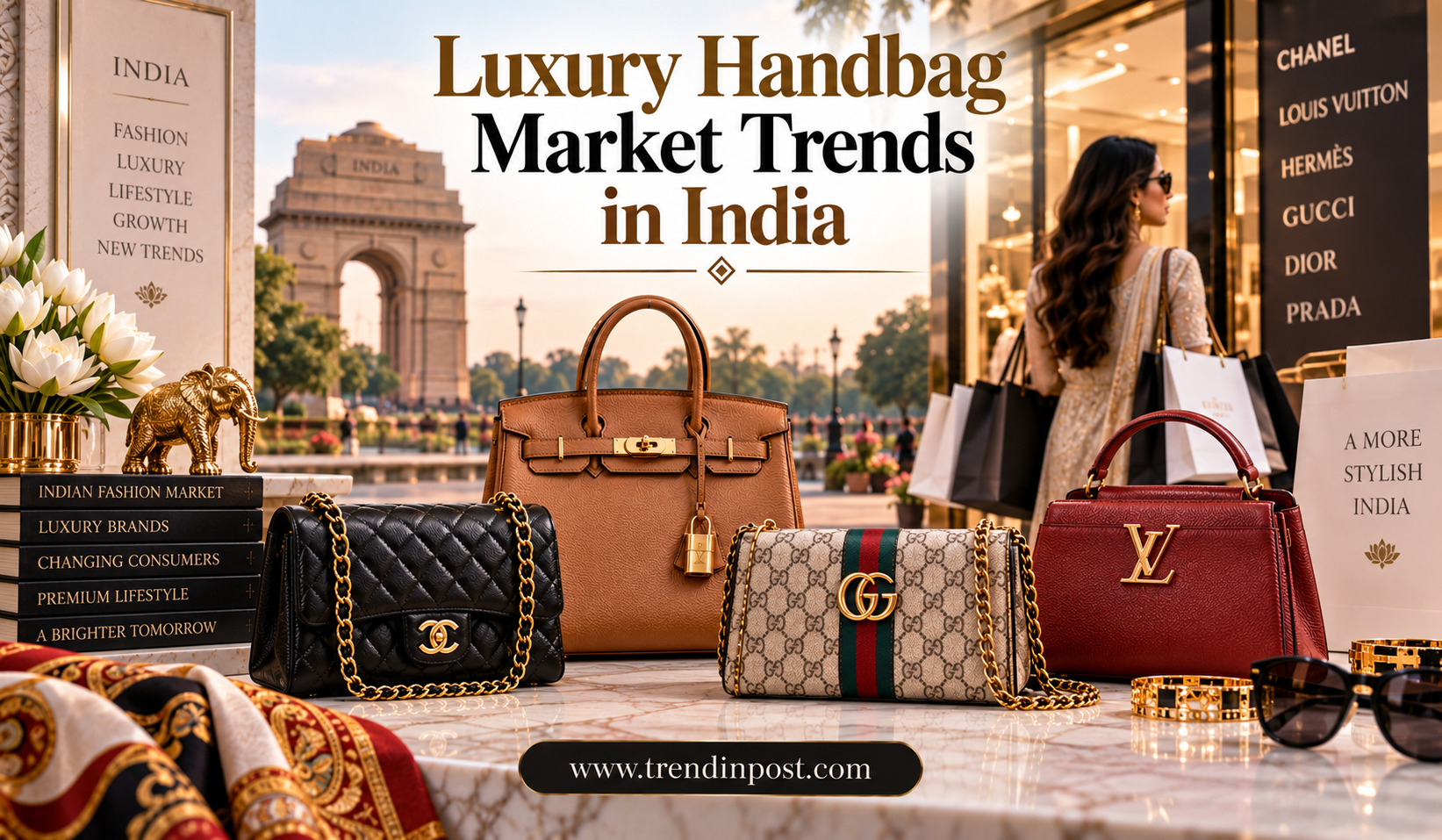
Luxury Handbag Market Trends in India
India’s luxury handbag market is entering an interesting phase as changing consumer preferences, rising disposable incomes and greater exposure to global fashion continue to influence buying decisions. Luxury handbags were once largely associated with a small group of affluent shoppers, but the category is now attracting a wider audience of fashion-conscious consumers.
The growth of international luxury brands, premium shopping destinations and online fashion platforms has made designer handbags more visible than ever. At the same time, Indian buyers are becoming more informed about materials, craftsmanship, brand heritage, resale value and the practicality of different handbag styles.
This changing environment is creating new opportunities for global luxury brands while also encouraging Indian consumers to become more selective about their purchases.
Growing Interest in Luxury Handbags
Luxury handbags are increasingly viewed as more than simple fashion accessories. For many Indian consumers, they represent personal style, craftsmanship and status. The growing presence of luxury fashion across social media has also introduced younger shoppers to international handbag brands and emerging trends.
Instagram, YouTube and other digital platforms allow consumers to follow celebrities, influencers and fashion creators who regularly showcase designer handbags. As a result, shoppers can become familiar with a particular handbag model long before visiting a store.
This has changed the way consumers approach luxury purchases. Instead of discovering a product only inside a boutique, buyers can research its design, size, colours and styling options online before deciding whether it is worth purchasing.
Younger Consumers Are Entering the Market
One of the notable developments in India’s luxury market is the growing interest among younger consumers. Millennials and Gen Z shoppers are becoming more engaged with premium fashion and are developing their own preferences for luxury accessories.
Younger buyers often combine luxury handbags with contemporary and affordable clothing. A designer handbag may become the key premium element in an otherwise simple outfit.
This generation is also comfortable researching products online. They may compare several handbag models, watch styling videos and investigate resale prices before making a final decision. This creates a more informed luxury consumer who expects both quality and value from a major purchase.
However, younger shoppers are not necessarily interested only in traditional status symbols. Many also appreciate distinctive designs, limited collections, smaller handbags and products that reflect their individual personality.
Classic Handbags Remain Strong
Despite the arrival of new trends, classic handbags continue to have an important position in India. Neutral colours and timeless silhouettes remain attractive because they can be used across different occasions.
A black or tan handbag, for example, can complement Indian ethnic wear, Western clothing and formal outfits. This versatility makes classic designs appealing to buyers who want to make a significant purchase that can remain useful for years.
Classic handbags also benefit from strong brand recognition. Established luxury houses have created designs that consumers can identify immediately, giving these products an enduring place in the luxury accessories market.
For first-time buyers, a classic silhouette can feel less risky than a highly seasonal design. Once consumers become more comfortable with luxury fashion, they may expand their collections with more experimental colours and shapes.
The Rise of Smaller and Everyday Handbags
Compact handbags are receiving increased attention among Indian fashion consumers. Mini bags and small crossbody styles can work well for occasions when shoppers do not need to carry many belongings.
Crossbody handbags are particularly relevant because they combine fashion with convenience. They can be used while travelling, shopping or attending social events where carrying a large handbag may not be practical.
At the same time, medium-sized everyday handbags remain important. Indian consumers often want a balance between luxury appearance and functionality, especially when purchasing an expensive accessory.
The trend therefore is not simply moving toward smaller bags. Instead, shoppers are looking for different sizes depending on the purpose of the handbag.
Premium Shopping Experiences Are Becoming More Important
Luxury shopping in India is increasingly connected to the overall retail experience. Consumers purchasing expensive handbags often expect more than a product on a shelf. Boutique environment, personalised assistance, packaging and after-sales service can all influence the buying experience.
Luxury brands are responding by strengthening their presence in major Indian cities and premium retail destinations. Delhi, Mumbai, Bengaluru, Hyderabad and other major urban markets remain important centres for luxury consumption.
The growth of premium malls and high-end retail spaces is also giving international brands opportunities to reach consumers directly.
For shoppers, buying directly from an authorised boutique can provide greater confidence regarding authenticity and access to brand-specific services.
Online Luxury Shopping Is Changing Consumer Behaviour
Digital shopping has transformed the way Indian consumers discover luxury products. Even when shoppers ultimately purchase a handbag from a physical boutique, online research often plays an important role in the decision-making process.
Luxury fashion websites, social media and premium e-commerce platforms allow consumers to compare designs and understand collections before making a purchase. Digital content has also made it easier for shoppers outside traditional luxury centres to discover global trends.
However, online luxury shopping requires careful attention to authenticity. Buyers should check the reputation of the seller, return policies and product documentation before purchasing an expensive handbag online.
The digital market is therefore expanding consumer access while also increasing the need for informed purchasing decisions.
Pre-Owned Luxury Handbags Gain Momentum
The pre-owned handbag market is another area attracting attention in India. Consumers interested in luxury fashion can explore older collections, discontinued models and vintage designs through resale platforms and specialist sellers.
Pre-owned shopping can appeal to buyers who want access to a particular handbag without necessarily purchasing the newest collection. Collectors may also search the secondary market for rare colours, older versions or models that are no longer produced.
Condition is especially important in this market. Scratches, stains, damaged corners, worn handles and hardware issues can influence the value of a pre-owned handbag.
Authentication is equally important. Buyers should research the seller and understand the authentication process before paying for a high-value item.
Sustainability and Longer Product Life
Sustainability is becoming increasingly relevant to Indian luxury consumers. As fashion shoppers become more aware of consumption and product life cycles, durable products with longer usability can become more attractive.
Luxury handbags can fit into this conversation because quality products may remain in use for many years. The resale market can further extend their life by allowing handbags to be passed from one owner to another.
This does not mean every luxury handbag is automatically a sustainable purchase. Consumers are increasingly looking at the complete product journey, including materials, production and longevity.
For brands, durability and responsible practices may become increasingly important factors in how luxury products are perceived.
Popular Trends Shaping India’s Luxury Handbag Market
Several trends are currently influencing consumer preferences:
- Classic and neutral handbags continue to attract first-time buyers.
- Compact crossbody and shoulder bags suit modern lifestyles.
- Bold colours and distinctive designs appeal to fashion-forward consumers.
- Pre-owned handbags are creating new opportunities for collectors and value-conscious shoppers.
These trends can exist together. A consumer may purchase a classic handbag for daily use while choosing a colourful or unusual design for special occasions.
What Indian Buyers Consider Before Purchasing
The decision to purchase a luxury handbag is becoming increasingly research-driven. Buyers want to know whether a particular design fits their lifestyle and whether its quality justifies the price.
| Buying Factor | Importance for Consumers |
| Brand reputation | Builds confidence and desirability |
| Design | Determines personal style appeal |
| Material | Influences durability and appearance |
| Size | Affects everyday practicality |
| Colour | Determines styling flexibility |
| Craftsmanship | Supports perceived luxury and longevity |
| Resale demand | May influence long-term ownership value |
| Authenticity | Essential for high-value purchases |
Price remains an important consideration, but it is not the only factor. Consumers are increasingly comparing what they receive for their money, including craftsmanship, design, service and long-term usability.
Luxury Handbags as a Fashion Statement
Indian fashion is highly diverse, and luxury handbags are increasingly being styled across different types of clothing. Consumers may pair designer handbags with sarees, lehengas, kurtas or Western outfits.
This versatility gives luxury handbags a unique position in the Indian market. A single accessory can become part of both traditional and contemporary wardrobes.
Celebrity appearances also influence these choices. When popular personalities are seen carrying a particular handbag, consumer interest can increase rapidly. Social media then amplifies these appearances, turning individual fashion choices into broader trends.
However, consumers are increasingly developing personal interpretations of these trends instead of simply copying celebrity looks.
What the Future Could Look Like
India’s luxury handbag market is likely to become more diverse as consumer awareness grows. Established international brands will continue to attract shoppers, but buyers may increasingly look beyond brand recognition and examine quality, design, authenticity and long-term value.
The resale segment could become particularly important as more consumers become comfortable purchasing pre-owned luxury products. Digital shopping and social media will also continue influencing how consumers discover handbags.
At the same time, classic designs are unlikely to lose their importance. The Indian market appears to be moving toward a combination of timeless luxury, contemporary fashion and practical purchasing.
Final Thoughts
India’s luxury handbag market is moving beyond traditional ideas of designer fashion. Today’s consumers are looking at handbags through several lenses, including personal style, practicality, craftsmanship, authenticity and potential resale demand.
Classic designs remain popular, but younger consumers are also embracing compact silhouettes, bold colours and contemporary styles. Meanwhile, online shopping and the growing pre-owned market are giving buyers more ways to discover and purchase luxury handbags.
As India’s luxury fashion audience continues to evolve, brands that combine strong design with quality, service and long-term appeal are likely to remain competitive. For consumers, the growing range of choices makes research more important than ever. A well-selected luxury handbag can be both a fashion statement and a lasting addition to a personal wardrobe.
FAQs
Is the luxury handbag market growing in India?
Interest in luxury handbags is increasing as more consumers gain exposure to international fashion, premium retail and digital shopping. Major Indian cities remain important markets for luxury brands.
Which handbag styles are popular in India?
Classic handbags, shoulder bags, crossbody designs, compact styles and structured handbags are popular categories. Preferences vary depending on lifestyle, age and occasion.
Are luxury handbags a good investment in India?
Some highly desirable handbags can retain strong resale demand, but there is no guarantee of financial returns. Buyers should consider quality, condition and market demand rather than assuming every luxury bag will appreciate.
Is buying a pre-owned luxury handbag safe?
It can be, provided the buyer uses a reputable seller and carefully checks authenticity, condition, documentation and return policies.
Related Post
Celine vs Loewe: A Guide to Modern Luxury Handbags
The modern luxury handbag market is increasingly shaped by shoppers looking beyond traditional logos and…