Kerala Trip: Complete Travel Guide for First-Time Visitors
>> Travels & Tourism>> Kerala Trip: Complete Travel Guide for First-Time Visitors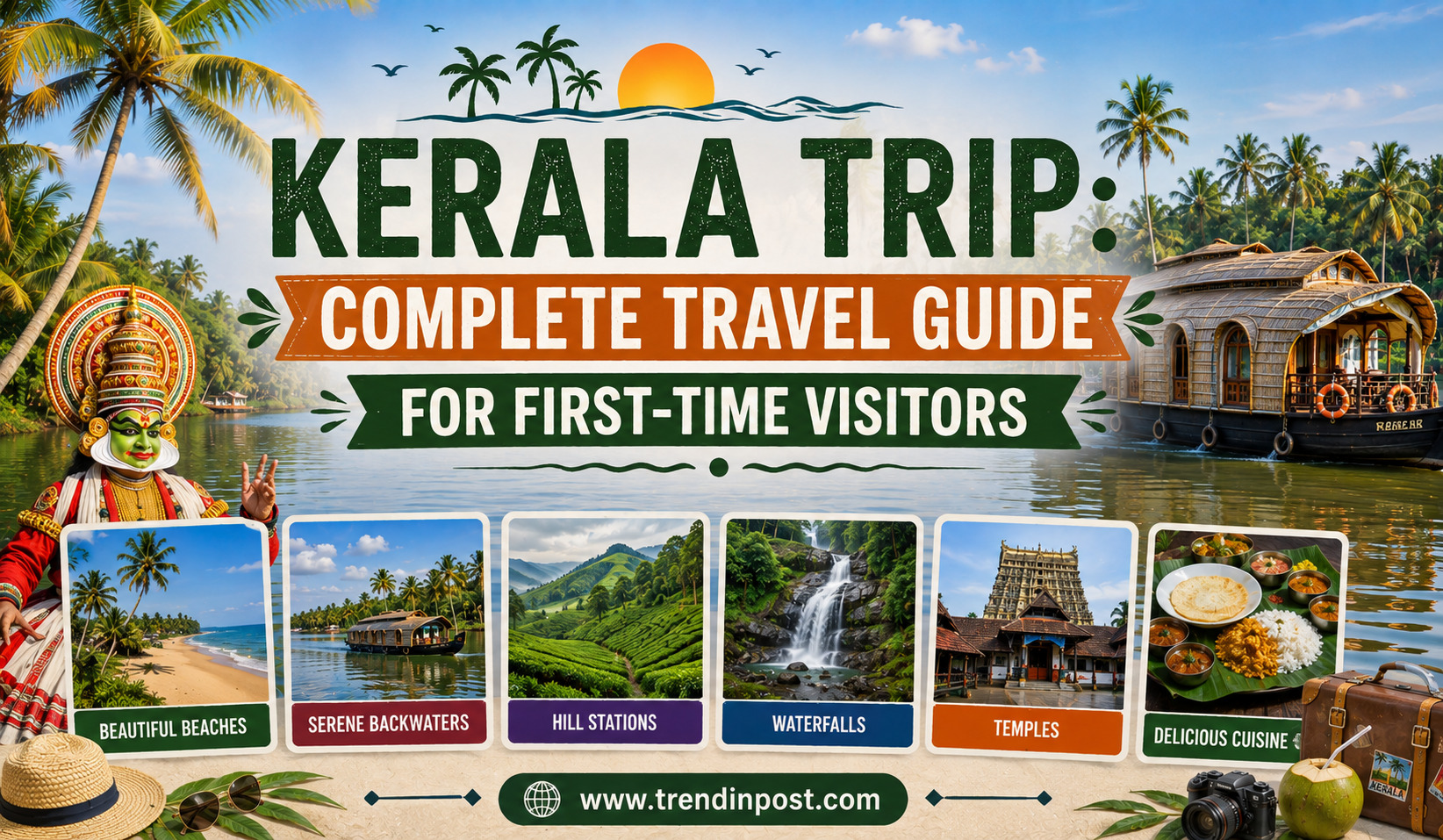
Kerala Trip: Complete Travel Guide for First-Time Visitors
Kerala is one of India’s most diverse travel destinations, bringing together beaches, backwaters, hill stations, wildlife, Ayurveda, temples and a distinctive food culture. Often described as “God’s Own Country,” the state attracts travellers throughout the year, but its appeal goes far beyond scenic photographs. A Kerala trip can be a slow journey through villages and waterways, an adventurous holiday in the Western Ghats, a cultural exploration of historic towns or a relaxing beach escape.
For first-time visitors, Kerala can also be slightly overwhelming because the state has several destinations spread across a long coastline and mountainous interior. Kochi, Munnar, Thekkady, Alleppey, Varkala and Kovalam all offer completely different experiences. Trying to include every famous place in one short holiday can result in spending more time on the road than actually enjoying the destination.
The best approach is to select a route according to your interests and travel at a comfortable pace. This guide covers the best time to visit Kerala, how to reach the state, major destinations, food, accommodation, a sample itinerary and practical advice for first-time travellers.
Why Kerala Should Be on Your Travel List
Kerala’s biggest strength is its variety. Within a single trip, visitors can move from the historic streets of Kochi to the tea plantations of Munnar, travel through the backwaters of Alappuzha and finish the holiday beside the Arabian Sea.
The state’s landscape changes gradually as travellers move inland. Coastal areas are warm and tropical, while the Western Ghats provide cooler mountain environments. Between them are plantations, forests, rivers and rural communities.
Kerala is also known for its cultural traditions. Kathakali performances, traditional festivals, temple architecture, handicrafts and local cuisine give visitors opportunities to experience the state beyond conventional sightseeing.
Another major attraction is the slower pace of travel. A houseboat ride through the backwaters or an evening walk along a beach can be just as memorable as visiting a famous landmark.
Best Time to Visit Kerala
Kerala can be visited in different seasons, but the ideal period depends on the type of holiday you want.
The months from October to February are generally popular for sightseeing because the weather is relatively pleasant in many parts of the state. This period is suitable for travellers planning a combination of cities, hill stations, backwaters and beaches.
Summer can be warm and humid in the coastal regions, although hill stations such as Munnar offer cooler conditions. Travellers who do not mind the heat can still explore Kerala during this period, particularly if they include mountain destinations in their itinerary.
The monsoon season brings heavy rainfall and transforms Kerala’s landscape into a vivid green. For some travellers, this is one of the most beautiful times to visit. Rain can also affect outdoor activities and transportation, so flexibility becomes important.
Kerala’s monsoon is also associated with Ayurveda and wellness experiences. Some visitors specifically choose this season for treatments and retreats, although anyone planning such a trip should research providers carefully.
How to Reach Kerala
Kerala has several airports, making it relatively easy to reach from major Indian cities and international destinations. Kochi, Thiruvananthapuram and Kozhikode are important aviation gateways for different parts of the state.
Rail travel is another convenient option. Kerala has an extensive railway network connecting major towns and cities with other parts of India. For travellers who enjoy scenic journeys, trains can be an appealing way to enter or leave the state.
Road travel is useful for moving between tourist destinations. Private taxis provide flexibility, while buses offer a more economical alternative.
First-time visitors should remember that Kerala’s roads can become busy, particularly around major cities and popular tourist areas. A journey that looks short on a map can take longer because of traffic and local road conditions.
Kochi: A Natural Starting Point
Kochi is one of the best places to begin a Kerala holiday because it combines history, culture, food and modern urban life.
Fort Kochi is particularly popular with visitors. Its historic streets, colonial-era buildings, cafés, art spaces and waterfront create a different atmosphere from the rest of the city.
The Chinese fishing nets along the waterfront are among Kochi’s most recognisable sights. Visitors can also explore historic churches, markets and traditional neighbourhoods.
Kochi works particularly well as the first or final stop on a Kerala itinerary because travellers can spend a day or two exploring the city before continuing towards Munnar or the backwaters.
Munnar: Tea Gardens and Mountain Landscapes
Munnar is one of Kerala’s most popular hill stations and a major attraction for first-time visitors. Located in the Western Ghats, the region is known for rolling tea plantations, misty hills, forests and waterfalls.
The drive towards Munnar is part of the experience. As the road climbs, the landscape changes from tropical lowlands to cooler mountain terrain.
Visitors can explore tea plantations, viewpoints and local markets. Eravikulam National Park is another important attraction in the region, particularly for travellers interested in wildlife and the mountain ecosystem.
Munnar is best enjoyed without an overloaded schedule. Spending time among the tea gardens, enjoying the cooler weather and taking scenic drives can be more rewarding than rushing between numerous viewpoints.
Thekkady: Wildlife and Spice Plantations
Thekkady is closely associated with Periyar Tiger Reserve and is an excellent choice for travellers interested in wildlife and nature.
Boat trips on Periyar Lake provide opportunities to observe the landscape and, depending on conditions and luck, spot wildlife from a safe distance. Sightings are never guaranteed, so visitors should treat the experience as a nature excursion rather than a wildlife show.
The region is also known for spice plantations. Guided plantation visits can introduce travellers to crops such as cardamom, pepper and other spices that are important to Kerala’s agricultural landscape.
Thekkady fits naturally into an itinerary connecting Munnar with the backwater destinations of central Kerala.
Alleppey: Experience the Kerala Backwaters
Alappuzha, commonly known as Alleppey, is one of the most famous backwater destinations in Kerala. The network of canals, lagoons, lakes and waterways creates a landscape that feels completely different from the state’s cities and hill stations.
A houseboat journey is one of the most popular experiences. Travellers can spend several hours or an entire night on a traditional-style houseboat, watching villages, coconut palms and waterways pass slowly by.
However, visitors should choose houseboat operators carefully. Check what is included in the price, the condition of the boat, meal arrangements and safety equipment before booking.
For travellers who do not want an overnight houseboat experience, shorter boat rides and local backwater tours are also available.
Kumarakom: A Quieter Backwater Experience
Kumarakom provides another way to experience Kerala’s backwaters. Located around Vembanad Lake, the destination is known for waterways, birdlife and peaceful surroundings.
Compared with busy tourist centres, Kumarakom can feel more relaxed. It is particularly suitable for couples and families looking for a slower holiday.
Visitors can combine a stay here with boating, nature experiences and local sightseeing. The area is also known for resorts and wellness properties, making it suitable for travellers seeking a more comfortable and leisurely stay.
Varkala: Cliffs, Beaches and Sunsets
Varkala offers one of Kerala’s most distinctive coastal landscapes. The beach sits below a dramatic cliff, creating a setting that differs from many other beaches in the state.
The cliff area is lined with cafés, shops and small businesses, making it a lively place for an evening walk. Visitors can enjoy the sunset, explore local shops or simply relax overlooking the Arabian Sea.
Varkala is also known for its spiritual and cultural significance. The Janardhana Swamy Temple and nearby areas add another dimension to the destination.
Travellers should follow local safety instructions when approaching the sea and avoid swimming in unsafe conditions.
Kovalam: A Classic Beach Holiday
Kovalam, near Thiruvananthapuram, is one of Kerala’s best-known beach destinations. Its curved coastline and established tourism infrastructure have made it popular with both domestic and international travellers.
The destination is suitable for visitors who want a beach-focused end to their Kerala trip. Hotels, restaurants, wellness centres and shops are widely available.
Kovalam can also be combined with a visit to Thiruvananthapuram, allowing travellers to explore both coastal and cultural attractions.
Kerala Trip Itinerary for First-Time Visitors
A seven-day itinerary can provide a balanced introduction to Kerala without making the journey excessively rushed.
| Day | Suggested Plan |
| Day 1 | Arrive in Kochi and explore Fort Kochi |
| Day 2 | Kochi to Munnar and local sightseeing |
| Day 3 | Munnar tea gardens and nearby attractions |
| Day 4 | Munnar to Thekkady |
| Day 5 | Thekkady nature and spice plantation experiences |
| Day 6 | Travel to Alleppey and enjoy the backwaters |
| Day 7 | Backwater experience and departure |
Travellers with more time can extend the trip by adding Varkala or Kovalam. Beach destinations are better added as an additional section rather than trying to squeeze them into an already busy seven-day route.
Where to Stay in Kerala
Kerala offers accommodation for almost every budget, from hostels and homestays to luxury resorts and heritage properties.
In Kochi, Fort Kochi is a good option for travellers interested in history and cafés. Munnar has properties ranging from simple guesthouses to resorts surrounded by plantations and hills.
For Alleppey, travellers can choose between hotels near the backwaters and houseboats. Those choosing an overnight houseboat should confirm the boat’s facilities before booking.
Families may prefer properties with easy road access, restaurants and larger rooms, while couples may prioritise privacy and views.
The location of the accommodation is often more important than choosing the cheapest available option. Travellers should check recent reviews and the exact distance from the attractions they plan to visit.
Kerala Food: What First-Time Visitors Should Try
Food is one of the highlights of travelling through Kerala. The cuisine varies across the state but commonly features rice, coconut, spices, seafood and locally grown ingredients.
A traditional Kerala sadya served on a banana leaf is an experience worth trying, particularly for visitors interested in local food culture. It typically includes several vegetarian preparations served with rice and accompaniments.
Seafood lovers can explore Kerala-style fish curry, prawns and other coastal preparations. Appam with stew is another popular combination, while puttu and kadala curry are commonly enjoyed as a breakfast option.
Travellers should not limit themselves to restaurants aimed exclusively at tourists. Local eateries can offer a more authentic experience, provided basic hygiene standards are maintained.
Some food experiences to look for include:
- Traditional Kerala sadya
- Appam with vegetable or meat stew
- Puttu with kadala curry
- Kerala-style seafood and fish curry
What to Pack for a Kerala Trip
Packing depends on the route and season. Coastal areas can be warm and humid, while Munnar and other hill stations can be significantly cooler, especially during mornings and evenings.
Lightweight clothing is useful for most of the trip, while a light jacket can be helpful for mountain destinations. Comfortable footwear is essential because sightseeing often involves walking.
A practical packing list includes:
- Lightweight clothes and one warm layer for hill stations
- Comfortable walking shoes and sandals
- Sunscreen, sunglasses, umbrella and personal medicines
- Reusable water bottle, chargers and identification documents
Travellers visiting during the monsoon should also carry waterproof bags and quick-drying clothing.
Travel Safety Tips for First-Time Visitors
Kerala is well established as a tourism destination, but travellers should still follow basic precautions.
Avoid entering the sea when conditions are unsafe, particularly during rough weather. Visitors heading into forests or wildlife areas should follow the instructions of guides and park authorities.
Monsoon travellers should monitor weather reports and avoid unnecessary journeys during periods of severe rainfall.
Four simple habits can make the trip smoother:
- Check weather conditions before outdoor excursions.
- Keep some flexibility in the itinerary.
- Follow safety instructions at beaches, wildlife areas and boating locations.
- Keep important documents and emergency contacts accessible.
Travellers should also avoid overcrowding their schedule. Kerala is a destination where slower travel can often produce a better experience.
Responsible Tourism in Kerala
Kerala’s beaches, backwaters, forests and villages are valuable natural and cultural assets. Tourism can benefit local communities, but visitors also have a responsibility to protect these places.
Travellers can reduce plastic use, avoid littering and choose reusable bottles where practical. When visiting backwater villages, visitors should avoid disturbing residents or treating private homes as tourist attractions.
Supporting local businesses can also make a difference. Eating local food, staying at locally operated properties and purchasing authentic regional products helps tourism income reach communities.
Wildlife should be observed from a safe distance, and visitors should never attempt to feed or approach wild animals.
Common Mistakes First-Time Visitors Should Avoid
The most common mistake is trying to cover too much of Kerala in one trip. The state may look compact compared with some larger tourist regions, but road journeys can consume significant time.
Another mistake is booking every day without allowing for delays. Traffic, weather and unexpected changes can affect travel schedules.
Travellers should also avoid choosing a houseboat solely because it is cheap. The condition of the boat and the quality of the operator can have a major effect on the experience.
Finally, visitors should not assume that every destination offers the same weather. Pack according to the complete route, especially when combining beaches with hill stations.
Budget Planning
Kerala can accommodate different travel budgets. Backpackers can choose hostels, local buses and affordable eateries, while families and couples may prefer private vehicles, comfortable hotels and curated experiences.
Transportation can become a major part of the budget when visiting several destinations. Travellers can reduce costs by choosing a logical route instead of repeatedly travelling back and forth.
Houseboat stays, wildlife activities and premium resorts can increase expenses. Comparing packages and checking what is included before booking can prevent unexpected charges.
A balanced trip generally works better than spending heavily on one luxury experience while rushing through the rest of the destination.
Final Thoughts
A Kerala trip is best experienced as a journey through different landscapes rather than a checklist of tourist attractions. Kochi offers history and culture, Munnar introduces the mountains and tea plantations, Thekkady brings wildlife and spice plantations, while Alleppey and Kumarakom reveal the peaceful world of the backwaters. Varkala and Kovalam provide a relaxed coastal finish.
For first-time visitors, the key is to choose a route that matches the available time. A week is enough for a first introduction, while longer holidays can include additional beaches and cultural experiences.
Travel during a suitable season, choose accommodation carefully, leave enough time between destinations and remain flexible about weather. Most importantly, slow down enough to appreciate Kerala’s everyday beauty—the sound of a boat moving through a canal, a cup of tea overlooking a plantation or a sunset beside the Arabian Sea.
With thoughtful planning, Kerala can offer a travel experience that combines nature, culture, food and relaxation in a way few Indian destinations can match.
FAQs About Kerala Trip
How many days are enough for a Kerala trip?
A route covering Kochi, Munnar, Thekkady and Alleppey provides a balanced introduction to the state.
Which is the best time to visit Kerala?
October to February is popular for comfortable sightseeing. Summer can be warm but is suitable for hill-station trips, while the monsoon offers lush scenery and is popular with some wellness travellers.
Is Kerala suitable for a family holiday?
Yes. Kerala offers beaches, wildlife experiences, backwaters, hill stations and cultural attractions that can suit different age groups. Families should avoid overly long daily journeys.
Is a Kerala houseboat stay worth it?
Yes. A houseboat experience can be one of the highlights of a Kerala trip, particularly for first-time visitors. Check the boat’s condition, safety facilities, meals and inclusions before booking.
Related Post

Best Forts in Maharashtra for Sunrise Views
Maharashtra’s forts are widely known for their connection with Maratha history, but these historic hilltops…