Australia Travel Guide for Indian Tourists
>> Travels & Tourism>> Australia Travel Guide for Indian Tourists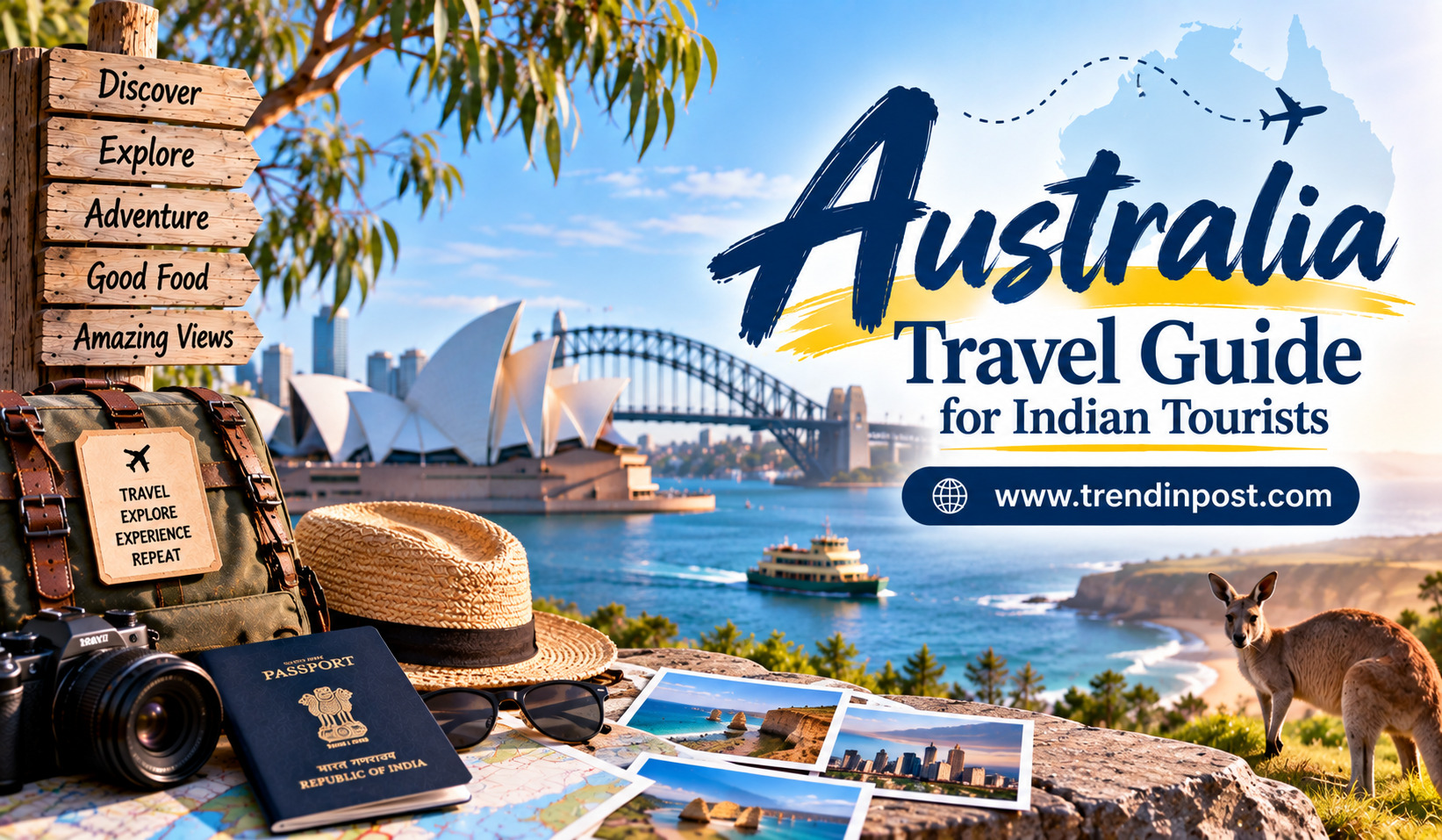
Australia Travel Guide for Indian Tourists
Australia is a fascinating destination for Indian tourists looking for a holiday filled with beaches, wildlife, modern cities, road trips, natural landscapes, and unforgettable outdoor experiences. From the famous Sydney Opera House and Melbourne’s vibrant streets to the Great Barrier Reef, Gold Coast beaches, and breathtaking Australian national parks, the country offers a wide variety of experiences for different types of travelers.
For Indian tourists, Australia can feel quite different from a typical international holiday destination because of its huge distances, higher travel costs, strict border controls, and unique local customs. Good preparation can make the journey much easier and help you make better use of your time and budget.
This Australia travel guide for Indian tourists covers the most important things to understand before planning your trip.
Choose the Right Time to Visit Australia
Australia is in the Southern Hemisphere, so its seasons are opposite to those in India. Summer generally falls from December to February, autumn from March to May, winter from June to August, and spring from September to November.
The best time depends on the places you plan to visit. Sydney and Melbourne can be enjoyed throughout much of the year, while tropical destinations such as Queensland have different weather patterns from southern cities.
Indian travelers planning a beach holiday may prefer warmer months, while those who want comfortable city sightseeing may find spring and autumn pleasant in several parts of the country.
Australia is a large country, so checking the weather of each destination before finalizing an itinerary is important.
Understand the Australian Visa Process
Indian passport holders need an appropriate visa before traveling to Australia. Australia’s Department of Home Affairs states that most non-Australian and non-New Zealand passport holders need a visa before entering the country.
For tourism, travelers should select the visitor visa option that matches their circumstances and provide accurate information about their purpose of travel, planned activities, and supporting documentation.
The Australian government recommends submitting a complete application with details such as passport information and travel plans because missing information can delay processing.
Visa requirements and conditions can change, so Indian tourists should always check the latest official requirements before applying.
Plan Your Flights From India
Australia is a long-distance destination from India, so international flights can represent a significant part of your holiday budget.
Several airlines connect Indian cities with Australia either through nonstop services on selected routes or through international transit hubs. Tourism Australia lists connections from India to major Australian cities including Sydney, Melbourne, Perth, Brisbane, Adelaide, and Darwin.
When comparing flights, look beyond the ticket price. Check baggage allowance, total journey time, airport connections, transit requirements, and arrival times.
For a first trip, Sydney or Melbourne can work well as an arrival point depending on your itinerary and flight availability.
Decide Which Australian Cities to Visit
Australia is too large to explore fully during a short holiday. Trying to cover Sydney, Melbourne, Brisbane, Gold Coast, Cairns, Perth, Adelaide, and other destinations in one trip can result in excessive travel time and expense.
Sydney is known for its harbor, beaches, landmarks, and urban attractions. Melbourne is famous for its food scene, arts, shopping, sporting culture, and surrounding destinations.
The Gold Coast is popular for beaches, theme parks, and family holidays, while Cairns provides access to tropical North Queensland and the Great Barrier Reef.
Choose destinations based on the experience you want rather than trying to see the entire country in one visit.
Understand Australia’s Large Distances
One of the biggest mistakes first-time visitors can make is underestimating the size of Australia.
Two destinations that appear relatively close on a map may still require a long journey by road or air. Domestic flights are often the practical choice when covering major distances.
For shorter journeys, trains, buses, rental cars, and organized tours may be useful depending on the destination.
Build enough time into your itinerary for travel between cities instead of treating transportation as an afterthought.
Explore Australia’s Natural Attractions
Australia’s natural landscapes are among its biggest attractions.
The Great Barrier Reef is a major draw for visitors interested in marine life and snorkeling or diving. The country’s beaches, national parks, forests, coastal roads, and desert landscapes offer experiences that are very different from one another.
Wildlife lovers can look for kangaroos, koalas, wallabies, and many native bird species.
When visiting natural areas, follow signs and local safety guidance. Australian wildlife and outdoor environments can be unpredictable, so visitors should avoid approaching wild animals or ignoring warnings.
Prepare for Australian Food
Indian tourists will find a wide variety of international food in Australia’s major cities.
Indian restaurants are common in many urban areas, particularly in neighborhoods with established Indian communities. Travelers can also find vegetarian, vegan, and other dietary options.
Australian cuisine includes seafood, grilled dishes, meat pies, café food, multicultural dishes, and modern Australian dining.
Eating at local cafés, food markets, supermarkets, and casual restaurants can provide different experiences while helping travelers manage their food budget.
Carry Medicines Carefully
Travelers who need regular medication should prepare before leaving India.
Keep medicines in their original packaging and carry relevant prescriptions or medical documentation where appropriate. Australian border authorities have specific rules concerning medicines and other restricted items, so travelers should check the current requirements before packing.
The same principle applies to supplements, herbal products, and traditional remedies. Do not assume that an item commonly available in India automatically has the same import requirements in Australia.
Be Very Careful With Food Items
Australia has strict biosecurity controls designed to prevent pests and diseases from entering the country.
Certain food, plant, animal, and other products must be declared, and some items may be prohibited or require permission. Australian Border Force specifically advises travelers to declare relevant food items on arrival.
This is particularly important for Indian tourists who may be tempted to carry homemade snacks, spices, fresh food, seeds, or other food products from home.
Do not hide restricted items. When uncertain, check the official requirements and declare the relevant items. Australian authorities state that penalties can apply when goods are not declared correctly.
Carry Suitable Payment Options
Cards are widely used across Australian cities and tourist areas, but travelers should still have access to more than one payment method.
An international debit or credit card can be useful for hotels, restaurants, transport, shopping, and attractions. Keeping a small amount of Australian currency can also be convenient for unexpected situations.
Indian tourists should inform their bank about international transactions and check foreign exchange charges before departure.
Using a travel-friendly payment method can help avoid unnecessary conversion fees during the trip.
Be Ready for Australian Driving Rules
Australia can be an excellent destination for road trips, but Indian tourists need to remember that Australia generally drives on the left side of the road, similar to India.
However, road rules, speed limits, signage, parking regulations, and driving conditions can differ between Australia and India.
Anyone planning to rent a car should check the applicable requirements for their destination, rental company, licence, and insurance.
Long-distance driving also requires careful planning because some roads pass through remote areas with limited services.
Use Public Transport in Major Cities
Public transportation can be a practical way to explore major Australian cities without renting a car.
Sydney, Melbourne, Brisbane, Perth, Adelaide, and other urban areas have public transport networks that can include trains, buses, trams, ferries, or combinations of these services.
Before arriving, check how fares are paid in your destination city and whether a local travel card, contactless payment method, or other system is used.
For city sightseeing, public transportation can often be more practical than driving and dealing with parking.
Learn Australian Social Etiquette
Australian communication tends to be informal and friendly, but travelers should still respect local manners.
Queueing is important in shops, attractions, public transport, and other places. Avoid pushing ahead of others.
Respect personal space, follow signs, keep public areas clean, and follow instructions at beaches and natural attractions.
Australians generally appreciate straightforward and polite communication, so a simple greeting and respectful attitude can make interactions easier.
Consider Travel Insurance
Australia can involve significant expenses for medical care, transportation changes, cancellations, or unexpected travel problems.
Travel insurance can provide financial protection for certain covered situations, depending on the policy.
Before purchasing insurance, check what is actually covered, including medical expenses, baggage problems, trip cancellation, adventure activities, and pre-existing conditions where relevant.
Do not choose a policy based only on the lowest price. Understanding the exclusions and limits is equally important.
Set a Realistic Australia Travel Budget
Australia can be an expensive destination, particularly in major cities and popular tourist areas.
Your budget should account for international flights, accommodation, domestic transportation, food, sightseeing, travel insurance, shopping, and optional experiences.
One effective approach is to decide which experiences are most important before your trip. You may prefer spending more on a Great Barrier Reef experience, wildlife encounter, or scenic excursion while saving on accommodation or everyday meals.
Planning these priorities in advance can make your holiday more comfortable financially.
Final Thoughts
Australia offers Indian tourists an impressive combination of modern cities, beautiful beaches, unique wildlife, outdoor adventures, and diverse cultural experiences. However, the country’s size and travel requirements make preparation especially important.
Start by arranging the correct visa, selecting destinations that suit the length of your holiday, comparing flights, and planning transportation between cities. Pay particular attention to Australia’s strict biosecurity rules, especially when carrying food, medicines, plants, or other potentially restricted items.
With a sensible itinerary and realistic budget, Indian travelers can enjoy Australia’s famous landmarks while also discovering the country’s beaches, neighborhoods, wildlife, landscapes, and local culture. The key is to plan around the experiences that matter most rather than trying to cover too much in a single trip.
Related Post

Best Things to Do in Paris Besides the Eiffel Tower
When you think about Paris, the first image that probably comes to mind is the…