Thailand Travel Guide for Indian Tourists
>> Travels & Tourism>> Thailand Travel Guide for Indian Tourists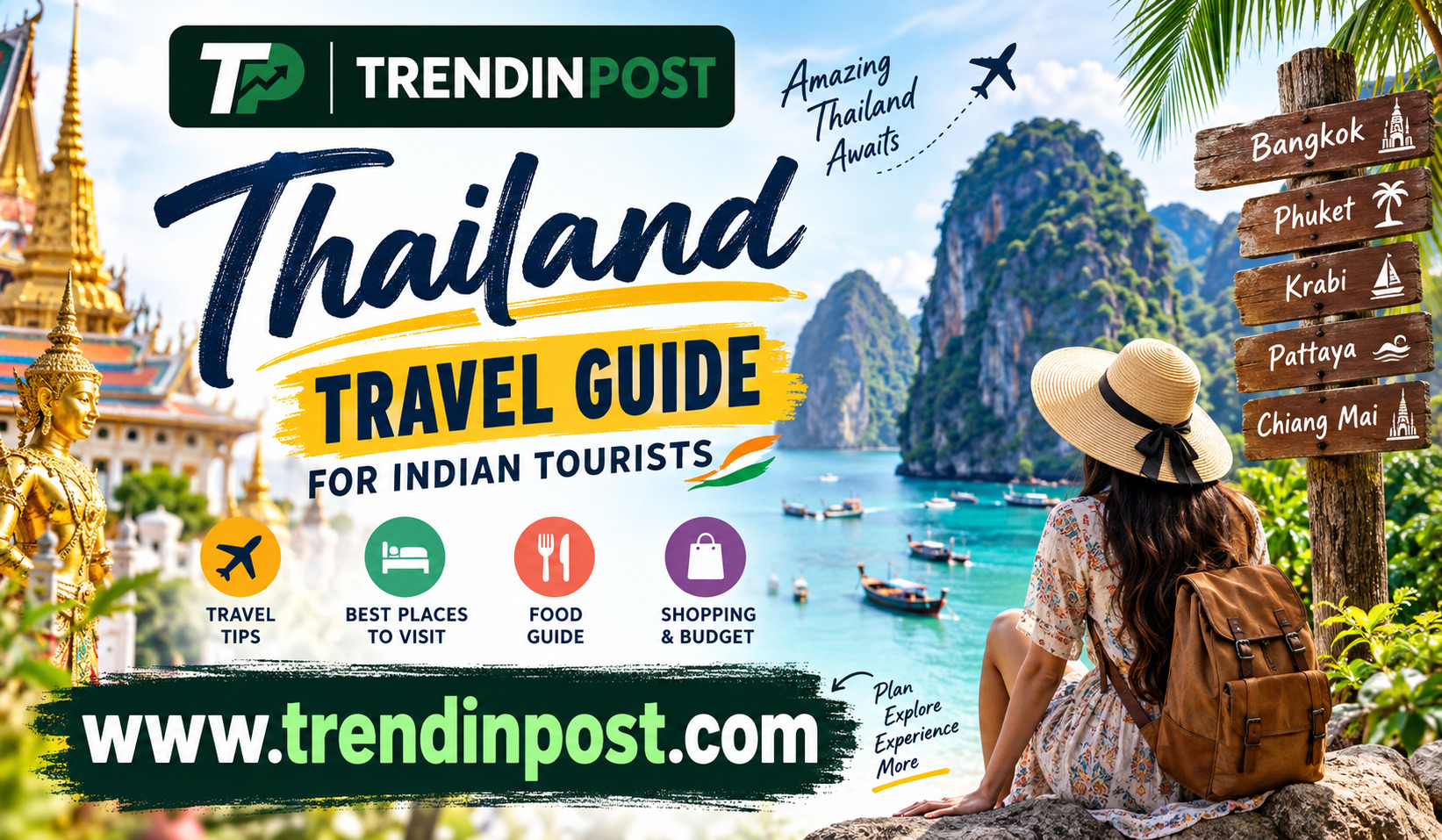
Thailand Travel Guide for Indian Tourists
Thailand has a way of making travel feel wonderfully easy. You can spend your morning exploring a golden temple, your afternoon eating spicy street food, and your evening watching the sunset over a tropical beach. For Indian tourists, it is also a destination that offers plenty of variety without requiring an enormous travel budget.
Whether you are planning your first international holiday, a romantic getaway, a family vacation, or a trip with friends, this Thailand Travel Guide will help you understand what to expect and how to plan your journey.
From choosing the right places to visit to understanding food, transport, money, and local customs, you will find everything you need to make your Thailand trip smoother and more enjoyable.
Why Should You Visit Thailand?
Thailand appeals to different kinds of travellers because you are never limited to just one type of experience.
If you love beaches, you can head to Phuket, Krabi, Koh Samui, or one of the quieter islands. If you enjoy history and culture, Bangkok and Chiang Mai offer temples, markets, palaces, and traditional neighbourhoods. And if nightlife is your priority, places such as Bangkok, Pattaya, and Phuket have plenty happening after dark.
You will also find Thai food everywhere, from inexpensive street stalls to elegant restaurants. For Indian travellers, vegetarian food is generally easy to find, although you should clearly mention your dietary preferences because fish sauce, shrimp paste, or other seafood ingredients can sometimes appear in dishes that otherwise look vegetarian.
Perhaps the biggest attraction is the combination of experiences. You can have a luxury holiday or travel on a modest budget without feeling that you are missing out.
Best Places to Visit in Thailand
Your ideal itinerary depends on how many days you have, but a few destinations are particularly popular with Indian tourists.
Bangkok
Bangkok is often your first stop, and it is much more than a transit city. You can explore the Grand Palace, Wat Arun, and Wat Pho during the day, then experience lively markets, shopping malls, rooftop restaurants, and street-food areas at night.
If shopping interests you, Bangkok gives you everything from modern malls to local markets. You can also use the city as a base for short trips to places such as Ayutthaya.
Phuket
Phuket works well if you want beaches, island excursions, resorts, restaurants, and nightlife in one destination. You can spend a day relaxing at the beach and another taking a boat trip to nearby islands.
For a quieter experience, consider staying away from the busiest areas and choosing a resort that matches your preferred pace.
Krabi
Krabi is a great choice when you want dramatic scenery and a slightly more relaxed atmosphere. Limestone cliffs, turquoise water, beaches, and island tours make the region particularly appealing.
You can stay around Ao Nang and use it as a convenient base for exploring nearby attractions.
Chiang Mai
If you want to see a different side of Thailand, add Chiang Mai to your trip. The city is known for its temples, mountain scenery, markets, cafés, and slower pace.
It is especially suitable if you prefer culture and nature over busy nightlife.
Pattaya
Pattaya is relatively easy to combine with Bangkok because of its accessibility. Along with beaches and water activities, you will find restaurants, shopping, entertainment, and nightlife.
For families, you can focus on attractions and daytime activities rather than the nightlife for which parts of Pattaya are known.
How Many Days Do You Need?
For your first Thailand holiday, 5 to 7 days can give you a satisfying introduction.
With five days, you might divide your time between Bangkok and Phuket or Krabi. With a week, you can slow things down and include more activities.
If you have 10 days or longer, you can combine Bangkok with northern Thailand and one of the beach regions.
Try not to pack too many destinations into a short holiday. Spending your entire trip moving between airports, hotels, and transfers can leave you exhausted. Two or three well-chosen destinations are usually better than trying to see everything.
Best Time to Visit Thailand
Thailand has a tropical climate, so you should consider the weather when planning your trip. Conditions vary between regions, and the rainy season does not necessarily mean that you will have rain all day.
Generally, the cooler and drier months are popular with tourists, particularly from around November to February. These months can also bring higher demand and accommodation prices.
The warmer months can still be enjoyable if you are comfortable with heat. During rainy periods, you may find better hotel deals, although weather conditions can affect island trips and outdoor plans.
Before booking, check the forecast for the specific destinations you intend to visit rather than relying only on a nationwide weather pattern.
Thailand Visa and Entry Requirements for Indians
Before you book your flights, check the latest Thailand entry and visa requirements for Indian passport holders. Rules can change, and requirements may depend on your travel dates and circumstances.
You should check official Thai government or embassy sources shortly before your departure rather than relying on an old social-media post or information from a friend who travelled several months earlier.
Keep your passport, flight details, accommodation information, travel insurance, and other required documents accessible during your journey. Your passport should also have sufficient validity for international travel.
How Much Does a Thailand Trip Cost?
Thailand can fit different budgets, which is one reason it remains popular among Indian tourists.
Your biggest expenses will usually be flights, accommodation, transportation, activities, and food.
If you choose hostels, local restaurants, public transport, and budget activities, you can keep your daily expenses relatively low. On the other hand, luxury resorts, private transfers, island tours, and premium dining can increase the cost considerably.
A useful approach is to decide your overall budget first and then divide it into categories. Keep some extra money aside for unexpected transport costs, shopping, activities, or last-minute changes.
You should also compare hotel prices carefully. A slightly more expensive hotel in a convenient location may save you money and time on daily transportation.
Thai Food: What Can You Eat?
Food is one of the highlights of travelling through Thailand, but you may need to communicate clearly if you follow a vegetarian or Jain diet.
Popular dishes include Pad Thai, Tom Yum, Green Curry, Mango Sticky Rice, Som Tam, and various grilled or stir-fried dishes. However, some recipes traditionally contain fish sauce, oyster sauce, shrimp paste, or other seafood products.
If you are vegetarian, vegan, or have specific dietary restrictions, tell the restaurant before ordering. Carrying a translated dietary note on your phone can also make communication easier.
And don’t be afraid of street food. Busy stalls with a high local turnover can be an excellent way to experience authentic Thai flavours without spending much.
Getting Around Thailand
Thailand has a wide range of transportation options.
In Bangkok, you can use the BTS Skytrain and MRT for many journeys, while taxis and ride-hailing services can be useful for places outside the rail network.
For longer distances, domestic flights can save considerable time. Buses, trains, ferries, and private transfers are also available depending on your destination.
If you are visiting islands, remember to factor ferry schedules into your itinerary. Don’t plan a flight immediately after a ferry journey unless you have enough buffer time in case of delays.
Money and Payments
The Thai baht is Thailand’s official currency. Cards are widely accepted in hotels, shopping centres, established restaurants, and many tourist businesses, but cash remains useful.
You should keep some Thai baht with you for street food, small shops, local markets, taxis, and other situations where cards may not be accepted.
Avoid exchanging your entire travel budget at once. Compare exchange rates and fees before deciding where to exchange money or withdraw cash.
It is also sensible to notify your bank about international travel if your card provider requires it.
Local Customs You Should Know
Thailand is known as the “Land of Smiles,” but respecting local culture will make your experience even better.
Dress modestly when visiting temples. Your shoulders and knees may need to be covered, particularly at religious sites. Remove your shoes where required and avoid touching religious objects casually.
The head is traditionally considered an important part of the body, while feet are considered less respectful. Avoid pointing your feet toward people or religious images.
A little patience also goes a long way. Thailand has its own pace and customs, and your holiday will be more enjoyable if you do not expect everything to work exactly as it does at home.
Useful Tips for Indian Tourists
A few practical preparations can make your trip much easier.
- Carry a universal travel adapter.
- Keep digital and physical copies of important documents.
- Take comfortable footwear because you may walk more than expected.
- Carry sunscreen and stay hydrated in Thailand’s heat.
- Use hotel safes for passports and valuables when appropriate.
- Download useful translation and map apps before travelling.
- Check baggage allowances carefully for domestic flights.
- Keep some cash available even if you mostly use cards.
- Respect temple rules and local customs.
- Purchase suitable travel insurance for your trip.
Most importantly, avoid trying to plan every minute. Leave some room for discovering a small café, wandering through a market, or simply enjoying a beach without rushing to the next attraction.
Final Thoughts
Thailand gives you the freedom to build the kind of holiday you actually want. You can explore Bangkok’s energetic streets, relax on Phuket’s beaches, discover Krabi’s scenery, experience Chiang Mai’s cultural side, or combine several destinations into one memorable trip.
As an Indian tourist, you will find plenty of familiar comforts alongside experiences that feel completely different from home. With sensible planning, a realistic budget, the right documents, and respect for Thai culture, your journey can be both comfortable and adventurous.
Use this Thailand Travel Guide as a starting point, but give yourself enough flexibility to enjoy the unexpected moments. Sometimes the best memory from a Thailand trip isn’t the attraction you carefully planned—it is the sunset you stopped to watch, the meal you discovered by chance, or the friendly conversation you had along the way.
Related Post
Fort Trekking During Monsoon
Safety Tips and Essential Precautions The monsoon season transforms Maharashtra’s rugged landscapes into some of…