

How Wellness Culture Is Reshaping the Fruit Market
>> LifeStyle>> How Wellness Culture Is Reshaping the Fruit Market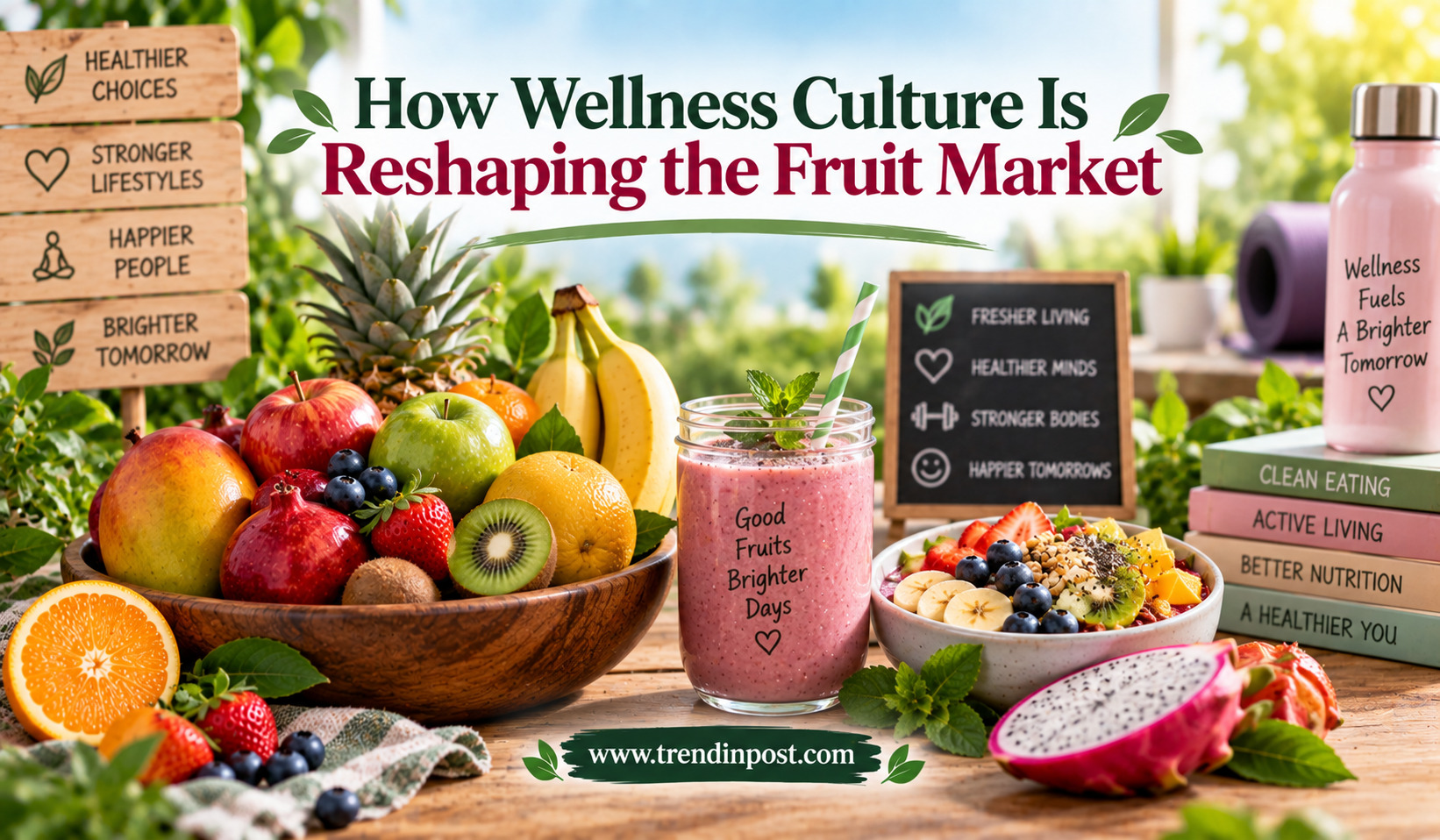
How Wellness Culture Is Reshaping the Fruit Market
Wellness culture is changing the way consumers think about food, and the fruit market is increasingly becoming part of that transformation. Fruits have traditionally been valued for their natural sweetness, refreshing taste and nutritional qualities, but today’s consumers are looking at them through a much broader lens. They are becoming ingredients in smoothies, breakfast bowls, functional drinks, fitness routines and health-focused meal plans.
The shift is being driven by growing interest in nutrition, active lifestyles, convenient eating and products that appear to support personal wellbeing. Social media has also played an important role, turning colourful fruit-based meals and drinks into highly visible parts of modern food culture.
For fruit producers, retailers and food companies, this changing consumer mindset is creating new opportunities. At the same time, it is encouraging the industry to rethink how fruits are packaged, marketed and delivered to customers.
Wellness Is Changing the Way People Choose Food
Wellness culture has moved beyond occasional dieting. For many consumers, it is increasingly connected with everyday lifestyle choices. Exercise, sleep, hydration, nutrition and balanced eating are often discussed together, creating demand for foods that can fit naturally into these routines.
Fruits benefit from this shift because they already have a strong association with fresh and minimally processed eating. Consumers looking to add more whole foods to their diets may find fruit an easy starting point.
A banana can become a pre-workout snack, berries can be added to breakfast, citrus fruits can feature in drinks, and tropical fruits can be used in smoothie bowls. These simple uses allow fruits to become part of different wellness routines without requiring complicated preparation.
The Rise of Functional Fruit Products
One of the most noticeable changes in the market is the growing interest in products that connect food with specific lifestyle needs. This has encouraged companies to develop fruit-based beverages, snacks, powders, dried fruit products and other convenient formats.
Functional positioning can make fruit more attractive to consumers who want nutrition and convenience at the same time. Instead of simply selling a fruit-flavoured product, brands may highlight characteristics such as fibre, vitamins, natural ingredients or hydration.
However, the growing functional-food market also makes it important for consumers to look beyond marketing language. A product containing fruit is not automatically equivalent to eating whole fruit. Added sugar, processing methods and portion size can influence the nutritional profile of a finished product.
Smoothies and Fruit Bowls Are Becoming Part of Modern Food Culture
Social media has helped change the visual identity of fruit. Traditional fruit plates are now joined by smoothie bowls, colourful breakfast combinations and carefully arranged snack creations.
The visual appeal of fruit makes it particularly suitable for platforms built around photographs and short videos. Bright berries, mangoes, kiwi, pomegranate, dragon fruit and citrus can create visually striking meals.
This trend has consequences beyond social media. Consumers may discover unfamiliar fruits through online recipes and then search for them at supermarkets or local markets. In this way, digital food culture can influence real-world purchasing behaviour.
At the same time, familiar fruits can also benefit. Apples, bananas, papayas, guavas and oranges can be presented in new recipes without changing their basic identity.
Convenience Is Becoming a Major Market Driver
Wellness-focused consumers are not necessarily willing to spend large amounts of time preparing every meal. Busy work schedules, commuting, study and family responsibilities have increased interest in convenient food options.
This is encouraging demand for fruit products that require less preparation. Pre-cut fruit, frozen fruit, ready-to-eat combinations and dried fruit can make consumption easier for people with limited time.
Packaging is therefore becoming an important part of the fruit market. Companies are experimenting with portable containers, smaller portions and formats designed for offices, gyms and on-the-go consumption.
The challenge is to maintain freshness, food safety and quality while providing convenience. Consumers may be interested in healthy choices, but they still expect products to be practical and reasonably priced.
Premium Fruits Are Finding New Audiences
Wellness culture has also contributed to interest in fruits that were once considered speciality products. Dragon fruit, blueberries, avocados, kiwifruit and other premium or internationally traded produce are increasingly visible in urban supermarkets and food-service businesses.
Their popularity is partly connected to their appearance and partly to their presence in wellness-oriented recipes. Smoothies, salads and breakfast bowls have helped introduce these fruits to consumers who may not have traditionally purchased them.
However, premium demand does not necessarily mean these fruits will replace conventional varieties. Apples, bananas, oranges and other familiar fruits remain important because of their accessibility and established place in household diets.
Instead, the market is becoming more diverse, with consumers moving between affordable everyday fruits and premium choices depending on availability, season and budget.
How Wellness Culture Is Influencing the Fruit Market
| Market Change | Consumer Interest | Industry Response |
| Whole-food eating | Fresh and minimally processed foods | Greater focus on fresh fruit |
| Fitness lifestyles | Convenient snacks | Portable fruit formats |
| Smoothie culture | Easy-to-blend ingredients | Frozen and packaged fruit |
| Functional nutrition | Foods linked to specific needs | Fruit-based beverages and products |
| Social media | Attractive food presentation | New recipes and premium varieties |
| Convenience | Less preparation time | Cut, packed and ready-to-eat fruit |
Sustainability Is Becoming Part of the Conversation
Wellness culture increasingly overlaps with environmental awareness. Some consumers are interested not only in what they eat but also in how food is produced, packaged and transported.
This is creating pressure on the fruit industry to examine issues such as packaging waste, supply chains, food loss and sourcing.
Fresh fruit can be highly perishable, which makes efficient transportation and storage particularly important. Better cold-chain systems and improved logistics can help reduce losses between farms, distribution centres, retailers and consumers.
Packaging presents a more complicated issue. Protective packaging can help extend shelf life, particularly for delicate fruits, but excessive packaging can create waste. The industry therefore faces a balancing act between product protection, freshness, convenience and environmental considerations.
Local and Traditional Fruits Could Benefit Too
Wellness trends are not limited to imported or fashionable produce. They can also create opportunities for lesser-known local fruits.
Consumers who want variety may become more curious about fruits that have traditionally been consumed in particular regions. In India, for example, a wide range of fruits are connected with local agriculture and seasonal eating.
This interest can help bring traditional varieties into modern food conversations. Recipes, online content and new packaging formats can make regional fruits more accessible to younger consumers.
There is also an economic opportunity. Greater demand for diverse fruit varieties can potentially create additional markets for farmers and suppliers, although actual benefits depend on supply chains, pricing, production volumes and market access.
The Influence of Fitness and Sports Nutrition
Fitness culture is another important factor shaping fruit consumption. People involved in running, gym workouts, cycling and other physical activities often look for convenient foods that can fit around exercise.
Fruit can naturally fit into these routines because many varieties are portable and require little preparation. Bananas, for example, are widely used as a convenient snack, while berries and other fruits frequently appear in post-workout smoothies and meals.
This does not mean every fruit has a specific performance effect. Instead, the broader trend shows how fruit is being incorporated into lifestyle-based eating patterns.
Three Changes Consumers May Notice
As wellness continues to influence purchasing habits, shoppers may see several changes in the fruit aisle and in food-service businesses:
- More convenient fruit formats designed for busy lifestyles.
- Greater visibility for speciality and lesser-known fruit varieties.
- More fruit-based beverages and snacks positioned around nutrition and wellness.
These changes are likely to develop alongside traditional fresh-fruit sales rather than completely replacing them.
The Risk of Over-Marketing Fruit
The growing connection between fruit and wellness also creates a potential marketing problem. When every food is promoted as having a special health purpose, consumers can lose sight of basic nutritional principles.
Fruits can contribute important nutrients and dietary variety, but they should not be presented as substitutes for an overall balanced diet. Similarly, a processed product containing fruit may have a very different nutritional profile from the whole fruit itself.
Clear labelling and responsible marketing can therefore become increasingly important as the category expands.
What the Future Could Look Like
The fruit market is likely to become more closely connected with convenience, nutrition, technology and lifestyle trends. Retailers may continue experimenting with new ways to display and package fresh produce, while food manufacturers develop additional fruit-based products.
Technology could also influence the market through improved supply-chain monitoring, better storage systems and more efficient distribution. These developments could help companies manage perishability while responding to consumer expectations for freshness.
At the consumer level, the biggest change may simply be the growing number of ways to eat fruit. Fresh, frozen, dried, blended and prepared formats can all occupy different parts of the market.
Conclusion
Wellness culture is giving the fruit market a new identity. Fruits are no longer viewed only as traditional snacks or ingredients; they are increasingly connected with fitness, convenience, breakfast trends, functional food and modern lifestyle choices.
This shift is creating opportunities for both familiar and speciality fruits. Everyday varieties can benefit from renewed interest in whole foods, while premium and lesser-known fruits can find new audiences through social media and modern recipes.
The future of the fruit market will likely depend on how effectively the industry balances nutrition, convenience, affordability, freshness and sustainability. As consumers continue to look for practical ways to make food part of a healthier lifestyle, fruits are well positioned to remain an important part of the conversation.
FAQs
1. How is wellness culture affecting the fruit market?
Wellness culture is increasing interest in fresh fruit, smoothies, fruit-based snacks, convenient products and specialty varieties associated with modern healthy eating.
2. Are consumers buying more premium fruits?
Premium fruits are receiving greater visibility through supermarkets, restaurants, smoothie shops and social media. Demand varies by market, season, price and consumer preferences.
3. Why are smoothies important to the fruit market?
Smoothies provide a convenient way to combine different fruits and have become closely associated with fitness and wellness lifestyles.
4. Is packaged fruit as healthy as whole fruit?
Not necessarily. The nutritional profile depends on processing, added ingredients, sugar content and portion size. Whole fruit and processed fruit products should not automatically be treated as equivalent.
5. Can local fruits benefit from wellness trends?
Yes. Growing interest in variety, seasonal foods and traditional ingredients can create new opportunities for local and lesser-known fruits.
Related Post
The Rise of Ready-to-Eat Fruit Products
Fresh fruit has always been associated with healthy eating, but the way consumers purchase and…