
Why Ragi Is Returning to Everyday Diets
>> LifeStyle>> Why Ragi Is Returning to Everyday Diets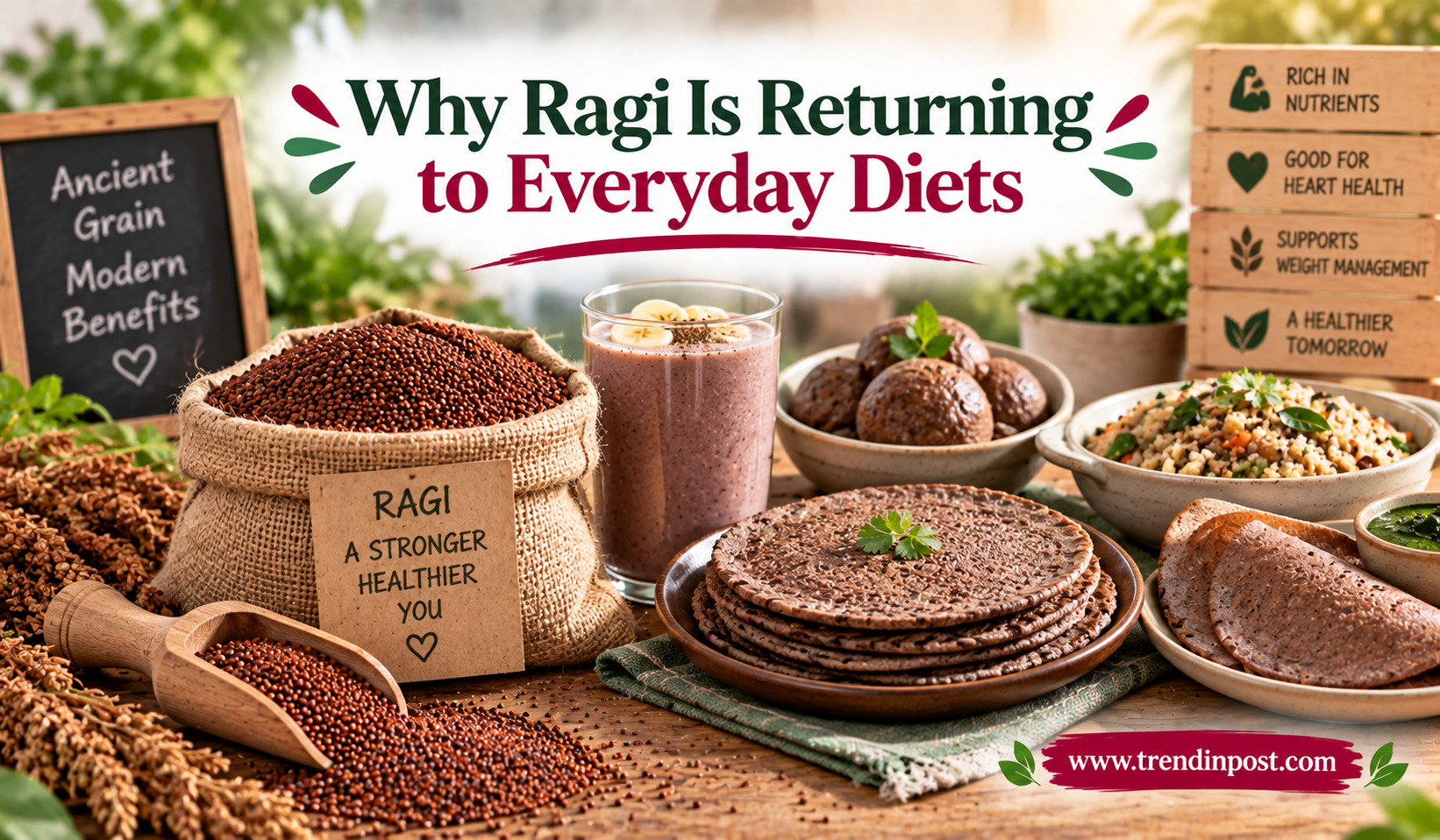
Why Ragi Is Returning to Everyday Diets
Ragi is finding its way back into everyday meals as consumers rediscover traditional grains and look for practical alternatives to heavily refined staples. Also known as finger millet, ragi has been part of Indian food traditions for generations, particularly in several southern and western regions. Today, the grain is gaining renewed attention among younger consumers, health-conscious households and food brands looking to combine traditional ingredients with modern eating habits.
The return of ragi is part of a much larger shift in the way people think about food. Consumers are increasingly interested in whole grains, dietary fibre, plant-based foods and ingredients with strong regional connections. At the same time, the growing popularity of convenient foods has encouraged manufacturers to turn traditional grains into products that require less preparation.
Ragi fits into this changing environment particularly well. It can be used in familiar preparations such as rotis, porridges and dosas while also appearing in modern products including breakfast mixes, baked foods and packaged snacks.
Rather than being a completely new food trend, the renewed interest in ragi represents a rediscovery of an ingredient that has remained relevant in traditional kitchens.
Why Ragi Is Getting New Attention
For many years, ragi was often associated with traditional home cooking rather than modern food trends. That perception is changing as consumers become more curious about the nutritional qualities of different grains.
Ragi contains dietary fibre and several minerals, including calcium and iron, although nutritional values can vary depending on the variety and processing method. Its nutritional profile has helped it gain attention among people looking to diversify their grain consumption.
The growing interest is also connected to the search for alternatives to refined grains. Consumers are increasingly exploring whole and minimally processed ingredients, although the nutritional quality of any individual food depends on how it is prepared and what else is included in the meal.
Ragi’s greatest advantage may be its versatility. It can be incorporated into both traditional and contemporary recipes without requiring consumers to completely change their eating habits.
Traditional Food Is Getting a Modern Makeover
The renewed popularity of ragi demonstrates how traditional foods can be repositioned for modern consumers. Instead of being presented only as an old-fashioned grain, ragi is increasingly appearing in new formats.
Food brands are using ragi in breakfast mixes, cookies, crackers, breads and snack products. Restaurants and cafés are also experimenting with millet-based dishes, helping consumers encounter the grain outside the traditional home kitchen.
This modern presentation can make ragi more accessible to younger consumers who may not have grown up eating it regularly.
At the same time, traditional preparations remain important. Ragi mudde, porridge, dosa and roti continue to demonstrate how easily the grain can become part of everyday meals.
Popular Ways to Use Ragi
- Ragi dosa and other fermented preparations
- Ragi roti and flatbreads
- Porridge and breakfast recipes
- Ragi-based baked snacks and mixes
These applications show that the grain can move between traditional cooking and modern convenience foods.
Nutrition Is Playing a Major Role
The nutritional profile of ragi is one of the strongest reasons behind its renewed popularity. Whole ragi provides carbohydrates, dietary fibre, protein and minerals.
Its calcium content is frequently highlighted, while the presence of fibre makes it attractive to consumers interested in whole-grain foods. Ragi also contains naturally occurring plant compounds.
However, it is important to avoid treating ragi as a miracle ingredient. No single grain can provide every nutrient required for a healthy diet. The benefits of including ragi are better understood as part of an overall varied eating pattern.
Preparation also matters. A homemade ragi dish made with balanced ingredients can have a different nutritional profile from a packaged snack that contains substantial amounts of sugar, salt or fat.
The Millet Movement Is Supporting Ragi
The broader rise of millets has created an important platform for ragi. Millets are increasingly being discussed in conversations about dietary diversity, traditional agriculture and alternative grains.
Ragi has an advantage within this group because it is already familiar to many Indian consumers. People who grew up eating ragi-based dishes may now be rediscovering them, while consumers from regions where the grain was less common are being introduced to it through packaged products and restaurants.
The result is a blend of nostalgia and discovery. Older consumers may see ragi as a familiar food from traditional kitchens, while younger shoppers can encounter it as part of a modern health-focused product.
Ragi and the Rise of Whole-Grain Eating
The renewed interest in ragi is also connected to growing awareness of whole grains. Consumers are increasingly comparing different grain options rather than relying on one staple for every meal.
Ragi can provide variety alongside wheat, rice, oats, barley and other grains. This diversity can be particularly useful for households looking to experiment with different flavours and textures.
Its slightly earthy taste also works well with savoury and sweet preparations. This makes it possible to incorporate the grain into different meals throughout the day.
| Ragi Format | Typical Meal | Consumer Appeal |
| Ragi flour | Rotis, dosas, baking | Versatile and easy to store |
| Ragi porridge | Breakfast | Simple preparation |
| Ragi dosa | Breakfast or dinner | Familiar Indian preparation |
| Ragi snacks | Between meals | Convenient format |
| Ragi baked foods | Snacks or breakfast | Modern presentation |
The range of formats shows why ragi is moving beyond its traditional image.
Younger Consumers Are Rediscovering Traditional Grains
Food discovery among younger consumers is increasingly influenced by social media, recipe videos and online grocery platforms. This has created new opportunities for traditional ingredients.
Ragi is particularly suitable for this environment because it can be presented through visually appealing recipes. Dosas, pancakes, baked goods, breakfast bowls and other dishes can introduce the grain without requiring consumers to learn unfamiliar cooking methods.
Social media also encourages experimentation. A consumer who sees a ragi pancake recipe may be more willing to purchase ragi flour and try it at home.
This does not mean every viral recipe leads to long-term consumption. The more important question is whether consumers find the ingredient practical and enjoyable enough to use again.
Convenience Is Helping Ragi Reach More Kitchens
Traditional ragi recipes can require preparation and cooking time, but modern food products are reducing some of these barriers. Instant mixes and ready-to-cook products can make it easier for busy households to include the grain.
This is particularly relevant in cities, where consumers may have less time for traditional food preparation. A packaged ragi dosa mix, for example, can provide a quicker route to a familiar dish.
Convenience can also help introduce ragi to consumers who have never cooked with the grain before. Clear instructions and consistent product quality reduce the uncertainty associated with trying a new ingredient.
However, consumers should still check product labels. A product marketed around ragi may contain other ingredients that significantly affect its overall nutritional profile.
Farmers and Local Agriculture Could Benefit
The renewed interest in ragi is not limited to consumers and food companies. Traditional grains are also connected to agricultural markets and rural livelihoods.
Ragi can be cultivated in several parts of India and other regions with suitable conditions. Increased demand can create opportunities for farmers, processors and local food businesses.
However, greater demand does not automatically guarantee better outcomes for producers. Farm economics depend on yields, input costs, market prices, storage, processing facilities and access to buyers.
Building reliable supply chains will therefore be important if ragi is to maintain its position in the growing alternative-grain market.
Ragi Fits Into the Local Food Movement
Another reason behind the grain’s comeback is the growing interest in local and regional foods. Consumers are increasingly curious about ingredients that have a connection to their country’s culinary heritage.
Ragi has a strong cultural history in India, making it an attractive ingredient for food brands that want to combine tradition with modern positioning.
This local identity can also differentiate ragi from imported health foods. Instead of relying on unfamiliar ingredients, consumers can explore a grain that has already been used in traditional recipes for generations.
The renewed interest is therefore not simply about nutrition. It is also about reconnecting modern diets with regional food traditions.
Food Brands Are Expanding Ragi-Based Products
Food manufacturers are playing a major role in turning ragi into a convenient commercial ingredient. Products such as ragi flour, breakfast mixes, cookies, noodles, snacks and baked goods are becoming easier to find.
The commercial opportunity is significant because ragi can be used across multiple categories. However, product quality will determine whether consumers continue buying these foods.
Brands that clearly communicate ingredients and avoid exaggerated health claims may have an advantage as shoppers become more attentive to food labels.
What Consumers Are Looking For
- Convenient products that require less preparation
- Familiar ingredients presented in modern formats
- Clear nutritional and ingredient information
- Affordable alternatives to premium health foods
These expectations are shaping how traditional grains are being introduced to today’s consumers.
Sustainability and Food Diversity
The growing popularity of ragi also contributes to conversations about agricultural diversity. Greater consumer demand for different grains can potentially encourage a broader range of crops rather than concentrating food systems around a limited number of staples.
However, sustainability depends on farming methods, water requirements, soil conditions, transportation and regional agricultural practices. It is therefore important to consider individual production systems rather than assuming that every millet-based product has the same environmental impact.
For consumers, choosing a variety of grains can be one way of exploring a broader food system while supporting different culinary traditions.
What Could Keep Ragi Popular?
The future of ragi will depend on whether its renewed popularity translates into regular household consumption. Trends can generate initial curiosity, but repeat purchases depend on taste, convenience, price and availability.
Ragi has several factors working in its favour. It is already familiar to many consumers, can be used in numerous recipes and has a nutritional profile that fits current interest in whole grains.
The biggest opportunity may be making traditional ragi dishes easier to prepare while maintaining their culinary identity. Modern products can introduce convenience without completely removing the connection to traditional food.
Conclusion
Ragi’s return to everyday diets reflects a wider change in how consumers approach traditional food. The grain is gaining new attention because it combines cultural familiarity with nutritional qualities that fit current interest in whole grains and dietary variety.
Its growing presence in supermarkets, restaurants and packaged foods is also making it easier for younger consumers to discover. Modern recipes and convenient mixes are helping move ragi beyond its traditional image while keeping its connection to Indian food culture.
The future of ragi will depend on affordability, availability, product quality and whether consumers continue using it after the initial excitement fades. If these factors remain favourable, ragi could become an increasingly familiar part of modern meals.
Its comeback ultimately shows that food trends do not always require new ingredients. Sometimes, the next major food trend can come from rediscovering something that has been part of traditional kitchens for generations.
Frequently Asked Questions
Why is ragi becoming popular again?
Ragi is benefiting from increased interest in traditional grains, whole foods, dietary fibre and plant-based eating. Food companies are also making it more accessible through convenient products.
What is ragi?
Ragi is commonly known as finger millet. It is a cereal grain that has been cultivated and consumed in parts of India and other regions for generations.
Is ragi nutritious?
Whole ragi provides dietary fibre, carbohydrates, protein and minerals such as calcium and iron. Its nutritional composition varies depending on the grain, processing and preparation.
How can ragi be included in everyday meals?
Ragi can be used for rotis, dosas, porridges, breakfast dishes and baked foods. It is also available in packaged mixes and snacks.
Is ragi better than rice or wheat?
There is no universally superior grain. Different grains provide different nutritional characteristics and culinary benefits. Ragi can be included as one part of a varied diet.
Is ragi suitable for modern diets?
Yes. Its versatility allows it to fit into traditional meals as well as contemporary recipes such as pancakes, baked foods and breakfast bowls.
Related Post

Best Wall Mounted Planters for Small Homes
Small homes often come with a decorating challenge: there is plenty of personality to add,…