How Collectors Evaluate Rare Luxury Handbags
>> Fashion>> How Collectors Evaluate Rare Luxury Handbags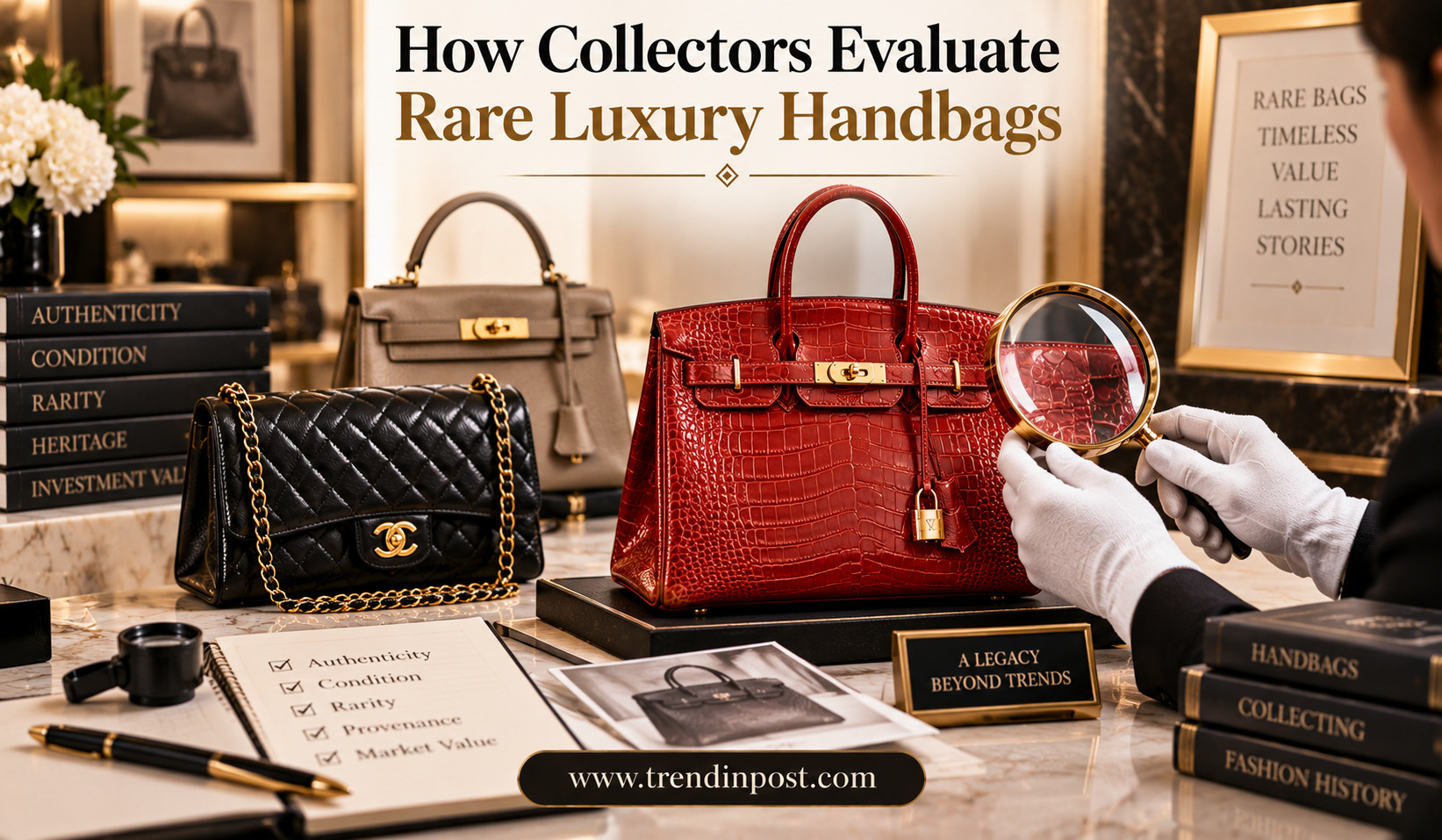
How Collectors Evaluate Rare Luxury Handbags
Rare luxury handbags have become an important part of the high-end fashion and collecting world. While many shoppers choose handbags based on appearance, practicality, or brand recognition, collectors often look much deeper. A rare handbag can be judged by its history, production numbers, materials, condition, craftsmanship, provenance, and demand in the secondary market.
The growing interest in vintage and pre-owned luxury accessories has also changed how collectors approach these pieces. Discontinued designs, unusual colors, special editions, unusual materials, and handbags connected to important moments in fashion can attract considerable attention. However, rarity alone does not automatically make a handbag valuable.
For experienced collectors, the appeal comes from the combination of scarcity, desirability, authenticity, condition, and cultural significance. Understanding these factors can help anyone interested in rare handbags make more informed purchasing decisions.
What Makes a Luxury Handbag Rare?
Rarity can mean different things in the luxury handbag market. A handbag may be rare because it was produced for a short period, released in a limited quantity, discontinued years ago, or made using an unusual material or color.
Some handbags become difficult to find simply because they were not produced in large numbers. Others become rare over time as existing examples are damaged, lost, or retained by collectors.
A handbag does not need to be extremely old to be considered rare. A relatively recent limited-edition design may be harder to find than an older model if production was particularly restricted.
Collectors therefore look at availability rather than age alone. The important question is not simply, “How old is the bag?” but rather, “How difficult is it to find an authentic example in desirable condition?”
Brand and Model Reputation
The fashion house behind a handbag has a major influence on collector interest. Established luxury brands often have decades of design history, and certain handbag models become closely associated with their identity.
Collectors frequently focus on iconic silhouettes because these designs have demonstrated long-term recognition. A handbag that remains desirable across multiple fashion cycles may have stronger collecting potential than a short-lived trend.
However, brand name alone is not enough. Within the same fashion house, some models may have much greater demand than others. A rare version of a highly recognized design can attract more attention than a common model from the same brand.
Collectors therefore study the history of individual models rather than evaluating an entire brand as one category.
Condition Can Change Everything
Condition is one of the most important factors in evaluating a rare handbag. A scarce handbag in excellent condition can be significantly more desirable than a similar example showing extensive wear.
Collectors examine the exterior, interior, corners, handles, stitching, lining, hardware, and closure mechanisms. Signs of use are expected in vintage pieces, but serious structural damage can reduce desirability.
Condition is particularly important because restoration can be complicated. Replacing original components or altering the leather may improve appearance while simultaneously affecting the handbag’s originality.
For collectors, the goal is often to find a piece that retains as much of its original character as possible.
Some of the details commonly examined include:
- Leather condition and natural aging
- Scratches, stains, cracks, or discoloration
- Hardware wear and oxidation
- Stitching, edges, handles, and structural shape
A professional assessment may be appropriate for particularly expensive or historically significant handbags.
Authenticity Is Essential
Authenticity is fundamental when evaluating rare luxury handbags. The more valuable a handbag becomes, the greater the incentive for counterfeiters to reproduce it.
Collectors therefore examine multiple elements rather than relying on a single authenticity feature. Materials, construction, stitching, hardware, branding, date or identification markings where applicable, and overall proportions can all provide useful evidence.
Documentation can also strengthen confidence. Original receipts, packaging, certificates, purchase records, and provenance information may help establish a handbag’s history, although paperwork alone should not be treated as definitive proof.
When a purchase involves substantial money, professional authentication can be a sensible step. A rare handbag that turns out to be counterfeit has little value as a legitimate collectible.
Provenance Adds Historical Interest
Provenance refers to the documented history of ownership or origin of an item. In luxury handbags, strong provenance can make a rare piece more interesting to collectors.
A handbag connected to a notable collection, special event, limited release, or documented historical context may attract additional attention. However, claims about provenance should be supported by credible evidence.
Collectors should distinguish between documented history and marketing stories. A seller describing a handbag as “rare” or “celebrity-owned” does not automatically make the claim reliable.
When credible documentation exists, provenance can provide a deeper story behind the handbag and potentially strengthen its appeal.
Materials and Craftsmanship
The materials used in a handbag can strongly influence its collectible status. Certain leathers, colors, finishes, textiles, and exotic materials are more difficult to find than standard versions.
Collectors may examine the quality and originality of the material as closely as the design itself. Natural leather aging, for example, can provide clues about how a vintage handbag has been stored and used.
Craftsmanship is equally important. Hand stitching, precise construction, carefully finished edges, high-quality hardware, and detailed interior work can distinguish a collectible piece from a standard fashion accessory.
In some cases, the construction techniques used in an older handbag can also provide historical value because production methods may have changed over the years.
Color Can Influence Collector Demand
Color is sometimes underestimated when evaluating luxury handbags. A classic black or neutral handbag may appeal to a broad audience, but an unusual color can make a specific version considerably more distinctive.
Collectors may search for discontinued shades, seasonal colors, special finishes, or unusual combinations of leather and hardware. If a particular color was produced only briefly, finding an authentic example can be difficult.
At the same time, unusual does not automatically mean valuable. A rare color must still have enough collector demand to command a premium.
This is why experienced collectors consider scarcity and desirability together.
Hardware and Original Details
Hardware is another important part of the evaluation process. Clasps, locks, buckles, chains, rings, feet, and zipper components contribute to both appearance and functionality.
Collectors often compare hardware against known characteristics of a particular model and production period. Changes in hardware design can sometimes help identify different versions of a handbag.
Original hardware is generally important because replacing components may affect authenticity or originality. Even when replacement hardware looks attractive, it can change the historical character of a collectible handbag.
The condition of hardware also matters. Minor scratches may be expected, but severe discoloration, missing components, or broken mechanisms can reduce desirability.
Limited Editions and Special Releases
Limited editions can attract collectors because they combine recognizable designs with restricted availability. These pieces may feature unusual materials, artwork, collaborations, seasonal details, or special color combinations.
However, the phrase “limited edition” should not be treated as an automatic guarantee of future value. Some limited releases remain highly sought after, while others lose attention as trends change.
Collectors typically evaluate why the piece was limited, how many were produced if that information is available, how recognizable the design is, and whether demand has remained strong.
The strongest collectibles often have a story that extends beyond simple scarcity.
Vintage Appeal and Historical Significance
Vintage handbags can offer a connection to a particular period in fashion. Changes in silhouettes, hardware, materials, logos, and craftsmanship can make older designs especially interesting to collectors.
Some vintage handbags become desirable because they represent an important moment in a brand’s history. Others gain attention because their design has returned to fashion decades later.
Age itself should not be confused with value. A poorly preserved old handbag may be less desirable than a newer but genuinely scarce piece in excellent condition.
Collectors therefore balance historical significance with physical condition and market demand.
Comparing Important Evaluation Factors
Collectors rarely rely on one characteristic. Instead, they consider several factors together.
| Evaluation Factor | Why It Matters |
| Rarity | Determines how difficult the piece is to find |
| Brand and model | Influences recognition and demand |
| Condition | Affects usability, appearance, and desirability |
| Authenticity | Establishes whether the item is genuine |
| Provenance | Can add historical context and confidence |
| Materials | Certain materials may be scarce or desirable |
| Color | Rare or discontinued shades can attract collectors |
| Craftsmanship | Reflects quality and historical construction |
| Market demand | Determines how strongly buyers compete for the piece |
This broader approach prevents collectors from overvaluing one feature while overlooking important weaknesses.
Understanding the Secondary Market
The pre-owned luxury market has become a major source for rare handbags. Collectors may find discontinued models through specialist dealers, auctions, resale platforms, estate collections, and private transactions.
Prices can vary significantly between sellers. Two apparently similar handbags may have very different values because of condition, provenance, color, completeness, or market timing.
Collectors should therefore compare multiple examples rather than accepting a single asking price as the definitive market value.
Original accessories can also matter. Dust bags, boxes, straps, locks, keys, receipts, and other components may increase the completeness of a collectible, depending on the specific handbag and buyer preferences.
What Beginners Should Avoid
New collectors can easily become influenced by social media trends or claims about future investment value. Buying a handbag simply because someone describes it as “rare” can lead to disappointment.
Before purchasing, buyers should research the model and understand its normal market range. They should also investigate the seller and carefully examine photographs or arrange an in-person inspection when possible.
Three practical principles can help beginners:
- Research the handbag’s history before making an offer.
- Never compromise on authenticity for a seemingly attractive price.
- Buy based on genuine appreciation rather than promises of guaranteed returns.
A collection built around personal interest is usually more rewarding than one based entirely on speculation.
Are Rare Luxury Handbags Good Investments?
Some rare luxury handbags have demonstrated strong resale performance, but no handbag should be considered a guaranteed investment. Fashion preferences, economic conditions, brand popularity, and collector demand can change.
A handbag may also carry significant ownership costs. Storage, insurance, maintenance, authentication, and selling fees can affect the financial outcome.
Collectors who view handbags as potential investments should therefore treat resale appreciation as a possibility rather than a certainty.
The strongest reason to purchase a collectible handbag should be genuine appreciation for its design, history, craftsmanship, or rarity.
Final Thoughts
Evaluating a rare luxury handbag requires much more than looking at its logo or asking whether it is expensive. Serious collectors examine the complete story behind the piece, including its production history, materials, craftsmanship, condition, authenticity, provenance, and current market demand.
Rarity is valuable when it is combined with desirability. A handbag that is difficult to find but has little collector interest may not command a significant premium, while a scarce version of an iconic design can become highly sought after.
For anyone entering the world of luxury handbag collecting, patience and research are more valuable than rushing into purchases. The strongest collections are usually built over time, with each handbag selected for a clear reason. Whether the goal is historical appreciation, personal enjoyment, or potential resale value, understanding what makes a handbag genuinely rare can help collectors make smarter and more confident decisions.
FAQs
What makes a luxury handbag collectible?
A combination of rarity, brand reputation, model desirability, condition, authenticity, craftsmanship, provenance, and market demand can make a handbag collectible.
Does an older handbag automatically have greater value?
No. Age is only one factor. A vintage handbag in poor condition may be less desirable than a newer limited-edition piece that is rare and highly sought after.
Why is authenticity so important?
Authenticity establishes that the handbag is genuinely produced by the claimed luxury brand. It is essential for both collector confidence and legitimate resale value.
Do original accessories increase a handbag’s value?
They can. Original boxes, receipts, dust bags, straps, keys, locks, and other accessories can make a handbag more complete and appealing to some collectors.
Can unusual colors make handbags more valuable?
Sometimes. Discontinued, limited-production, or particularly desirable colors can attract collector interest. However, rarity alone does not guarantee a higher price.
Related Post

Best Luxury Handbags for Classic Style
Classic style rarely depends on short-lived fashion trends. In the world of luxury handbags, timeless…