
How to Build a Luxury Handbag Collection With Resale Value
>> Fashion>> How to Build a Luxury Handbag Collection With Resale Value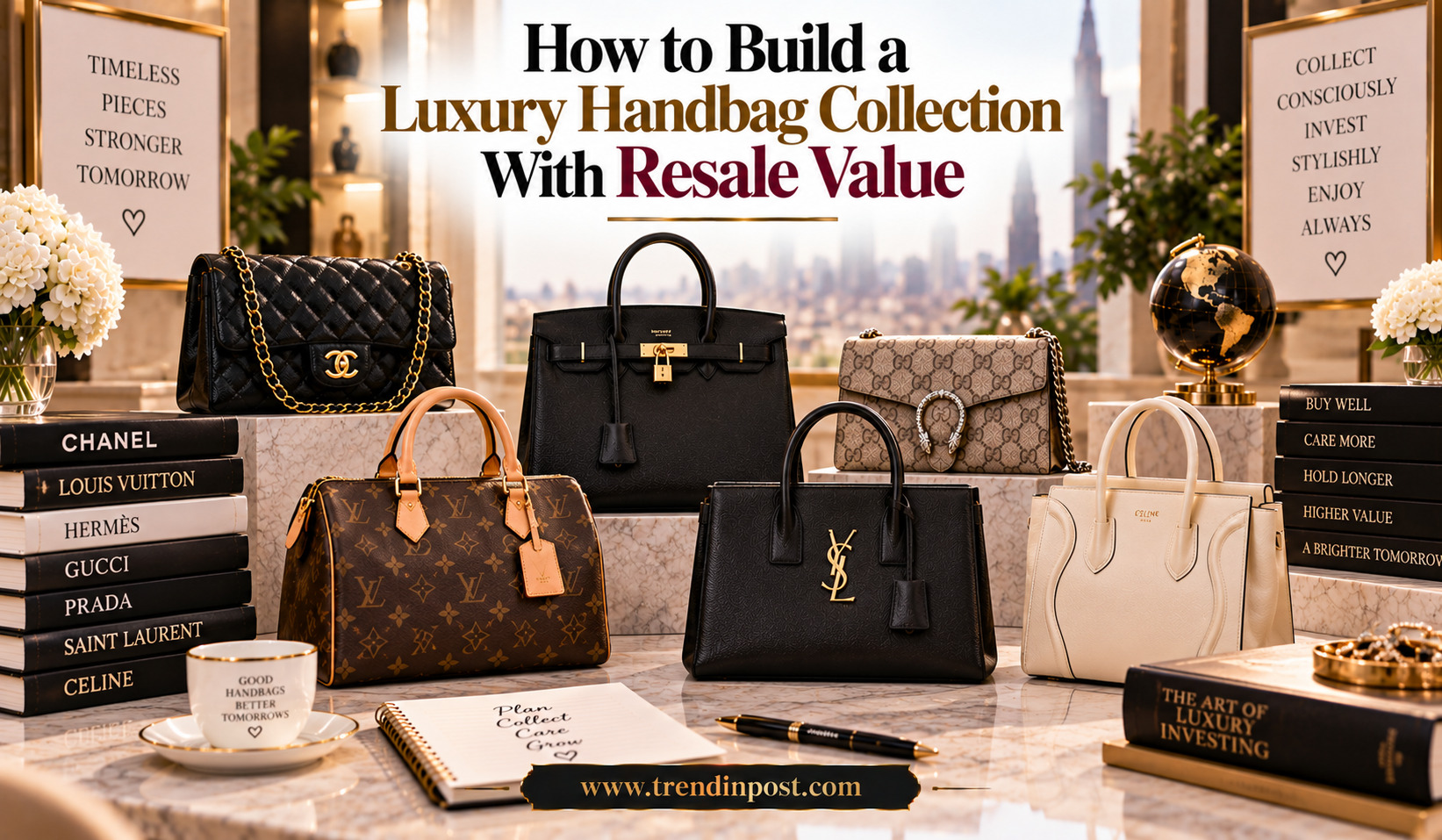
How to Build a Luxury Handbag Collection With Resale Value
Luxury handbags are no longer viewed only as fashion accessories. For many buyers, a well-chosen handbag can become a long-term wardrobe piece that holds its appeal for years and may retain a meaningful portion of its original value when it is eventually resold. This has made resale value an increasingly important consideration for people building luxury collections.
However, creating a collection with resale value requires more thought than simply buying expensive bags. Brand reputation, model popularity, condition, material, colour, authenticity, and even the presence of original accessories can influence how attractive a bag is to future buyers.
The growing pre-owned luxury market has also changed the way people think about handbag ownership. Instead of treating every purchase as permanent, collectors are increasingly considering how a bag might perform in the secondary market. The key is to balance personal style with timeless designs and careful ownership.
Start With Established Luxury Brands
The brand is one of the first factors to consider when resale value matters. Luxury houses with strong heritage, recognizable designs, and an established customer base generally have a larger audience in the pre-owned market.
Names such as Chanel, Hermès, Louis Vuitton, Gucci, Prada, and Saint Laurent have built significant recognition around particular handbag styles. This does not mean every bag from these brands will retain its value equally. A popular classic from a well-known house can have a much stronger resale market than a seasonal design that disappears from attention after one collection.
For a new collector, starting with established brands can therefore provide a more predictable foundation. The focus should be on the strength of the specific model rather than the logo alone.
Choose Timeless Styles Over Short-Lived Trends
Fashion trends can change quickly. A handbag that becomes extremely popular for one season may lose attention when new silhouettes appear. Classic shapes generally have a better chance of remaining desirable because they can work across different fashion cycles.
This is particularly important when building a collection for long-term ownership. Instead of filling a wardrobe with highly seasonal pieces, collectors can consider a combination of classic handbags and a smaller number of trend-driven designs.
Some characteristics that can make a handbag more timeless include:
- Recognizable and established design
- Practical size and everyday usability
- Strong construction and quality materials
- Colours that can work across multiple outfits
A classic black, neutral, or understated handbag may appeal to a wider group of future buyers than an extremely unusual colour or limited seasonal pattern. Personal taste should still come first, but versatility can be helpful when resale is part of the buying decision.
Research the Model Before Buying
Two handbags from the same luxury brand can have very different resale performance. Before purchasing, it is worth researching the exact model rather than relying on the reputation of the brand.
Look at how long the style has been available, whether the brand continues to produce it, how frequently it appears in the pre-owned market, and what buyers seem to prefer. Comparing asking prices with actual completed sales can also provide a better understanding of demand.
Collectors should also investigate differences between sizes, materials, hardware finishes, and colourways. In some cases, a particular combination may be more popular than another.
This research is especially useful when purchasing a higher-priced handbag. Spending a little more time before buying can help prevent a situation where a bag looks attractive at the boutique but has limited demand later.
Condition Is One of the Biggest Resale Factors
Even a highly desirable handbag can lose resale appeal if it has been poorly maintained. Condition affects how quickly a bag can sell and how much buyers may be willing to pay.
Regular use naturally creates signs of wear. Corners may become rubbed, leather can develop scratches, hardware can lose its original finish, and the interior may show marks. None of these automatically makes a bag worthless, but significant damage can reduce its appeal.
Collectors who care about resale should develop good storage and maintenance habits from the beginning. Keep handbags away from excessive moisture, direct sunlight, heat, and overcrowded storage. Structured bags should be supported appropriately so that they do not lose their original shape.
A simple care routine can include:
- Storing the bag in its original dust bag when it is not being used.
- Keeping it away from cosmetics, pens, food, and liquids.
- Avoiding rough surfaces that can scratch leather or hardware.
- Following professional care recommendations for delicate materials.
Over-cleaning or unnecessary restoration should also be avoided. Improper repairs can sometimes make a handbag less attractive to collectors.
Keep the Original Packaging and Accessories
The handbag itself is the most important item, but accompanying pieces can make a difference when selling a pre-owned luxury bag.
Depending on the brand and model, buyers may value the original box, dust bag, authenticity-related documentation, care booklet, detachable straps, locks, keys, clochette, and other accessories supplied with the handbag.
A complete set can make the ownership history feel more convincing and may make the bag easier to market. This is particularly relevant for expensive or collectible pieces.
The safest approach is to create a dedicated storage place for every handbag’s accessories immediately after purchase. Small items can easily disappear over several years, especially when a bag is used regularly.
Think About Colour and Material Carefully
Colour and material can significantly influence the future audience for a handbag. Neutral colours such as black, brown, beige, cream, and other understated shades often have broad styling potential.
That does not mean collectors should avoid colour completely. Certain seasonal colours, limited editions, or unusual finishes can become desirable among enthusiasts. However, they can also appeal to a narrower group of buyers.
Material matters as well. Different leathers and textile combinations have different maintenance requirements and may develop distinctive signs of use. Delicate materials can look beautiful when new but require more care during ownership.
A collector building a resale-focused wardrobe may therefore want a mix of practical everyday materials and a few more distinctive pieces rather than making every purchase a high-maintenance statement bag.
Buy Less, But Choose Better
Building a valuable collection does not necessarily mean owning dozens of handbags. A smaller collection of carefully selected pieces can be more practical and easier to maintain.
For example, a collector could begin with an everyday handbag, add a versatile evening option, and then introduce a distinctive statement piece. As the collection grows, each new purchase should ideally serve a different purpose.
| Collection Type | What to Look For | Resale Consideration |
| Everyday classic | Durable, versatile design | Broad buyer appeal |
| Evening bag | Elegant and compact silhouette | Condition is especially important |
| Statement piece | Distinctive colour or design | Potentially narrower buyer audience |
| Heritage model | Long-established style | Established demand may help |
| Limited edition | Unusual or rare characteristics | Desirability can vary significantly |
This approach prevents collectors from buying multiple handbags that perform exactly the same role.
Pay Attention to Authenticity and Purchase History
Authenticity is essential in the luxury resale market. Buyers and professional resale companies increasingly examine details such as construction, materials, hardware, stamps, serial or identification features where applicable, and overall craftsmanship.
Purchasing from an authorized boutique or a highly reputable retailer can make the ownership history easier to document. Receipts and other purchase records should be stored safely when available.
For pre-owned purchases, authentication becomes even more important. A bargain price should never be the only reason to buy a luxury handbag. If the authenticity cannot be established confidently, the potential resale risk is much greater.
Understand That Resale Value Can Change
A major mistake is assuming that every luxury handbag will be appreciated. Resale value depends on supply, demand, fashion trends, economic conditions, brand decisions, and the individual condition of the bag.
Some iconic handbags have demonstrated strong demand in the secondary market, while others may sell for considerably less than their original retail price. A handbag should therefore be purchased primarily because you enjoy owning and using it.
The strongest strategy is to think of resale value as an additional benefit rather than a guaranteed financial return.
Build a Collection Around Your Lifestyle
A resale-focused collection should still reflect the owner’s lifestyle. Buying a handbag simply because someone says it is valuable can lead to an impractical wardrobe.
If you regularly travel, a structured everyday bag may be more useful than a delicate evening piece. If your wardrobe is mostly neutral, a classic coloured handbag may provide more flexibility than another neutral design.
The best collections usually combine personal enjoyment with thoughtful purchasing. When a bag is genuinely loved and used responsibly, maintaining it for several years becomes much easier.
Final Thoughts
Building a luxury handbag collection with resale value requires patience, research, and good ownership habits. Established brands and timeless models can provide a strong starting point, but the specific design, colour, material, condition, and completeness of the handbag all matter.
Rather than chasing every handbag that becomes popular, collectors can focus on pieces with lasting design appeal and genuine personal value. Keeping original accessories, protecting the condition, maintaining purchase records, and understanding the secondary market can further strengthen a collection’s resale potential.
Most importantly, resale value should not replace personal preference. Luxury handbags are ultimately fashion pieces designed to be enjoyed. A collection that combines personal style, quality, practicality, and careful purchasing is more likely to remain satisfying—and potentially easier to resell—over time.
FAQs
1. Can every luxury handbag retain its resale value?
No. Resale performance varies between brands, models, materials, colours, and individual bags. Some maintain strong demand, while others can lose significant value.
2. Which type of handbag is usually easier to resell?
Established models with strong brand recognition, timeless designs, and broad buyer demand are generally easier to resell than highly seasonal or niche styles.
3. Does keeping the box and dust bag help resale?
It can. Original packaging and accessories can make a pre-owned handbag more complete and attractive to potential buyers, although they do not guarantee a higher selling price.
4. Is a limited-edition handbag always a better investment?
Not necessarily. Limited production can create scarcity, but scarcity alone does not guarantee demand. A limited-edition design needs to remain desirable among collectors.
5. How can I protect a handbag’s resale value?
Use careful storage, avoid unnecessary exposure to moisture and harsh conditions, maintain the bag according to its material, and keep original accessories and purchase records.
Related Post
Why Some Luxury Handbags Appreciate Over Time
Luxury handbags have increasingly become more than fashion accessories. For collectors and fashion enthusiasts, certain…